Explore our engineered inventory of high-performance architectural panels, thermal insulation components, and industrial enclosure systems engineered for extreme operating environments.
In modern industrial architectural engineering and process technology, heavy-duty thermal insulation systems are no longer viewed merely as passive building materials. They have evolved into critical thermal efficiency regulators, operational cost mitigators, and key enablers of international decarbonization compliance. Global industrial infrastructure demands thermal resistance matrices capable of functioning reliably across unprecedented temperature spectrums—from cryogenic sub-zero environments at -160°C in liquefied natural gas (LNG) containment systems to hyper-thermal industrial process kilns exceeding +1200°C.
Specifying the correct insulation material requires extensive technical scrutiny. Facilities managers, EPC contractors, and structural engineers must balance thermal conductivity ($\lambda$-values), compressive modulus, vapor diffusion resistance, shear strength, and fire reaction kinetics. Selecting non-compliant or sub-standard insulation systems introduces massive risk profiles, including severe thermal bridging, moisture accumulation within core matrices leading to Corrosion Under Insulation (CUI), structural delamination, and heightened fire vulnerability during cataclysmic thermal events.
To assist procurement directors and structural engineers in technical decision-making, the matrix below details the mechanical and thermal characteristics of dominant heavy-duty core materials produced by top global manufacturing hubs.
| Insulation Core Material | Density Range (kg/m³) | Thermal Conductivity ($\lambda$ W/m·K) | Operating Temp Range (°C) | Fire Rating Standard | Primary Industrial Application |
|---|---|---|---|---|---|
| Continuous Foamed PIR Core | 40 - 50 kg/m³ | 0.019 - 0.022 | -150°C to +120°C | B-s1, d0 (EN 13501-1) | Cold Storage Logistics, Cleanrooms, Freezer Warehouses |
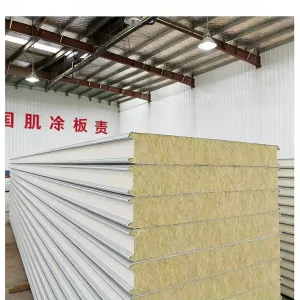
| Structural Mineral Rockwool | 100 - 150 kg/m³ | 0.034 - 0.040 | -40°C to +700°C | Class A1 Non-combustible | Firewall Enclosures, High-Risk Chemical Plants, Power Gen |
| High-Purity Ceramic Fiber | 96 - 160 kg/m³ | 0.060 - 0.120 (at High Temp) | Up to +1260°C / +1430°C | Incombustible High-Temp Standard | Industrial Kilns, Boiler Seals, High-Temp Pipe Gaskets |
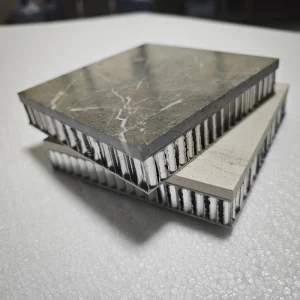
| Aluminium Honeycomb Core | 50 - 80 kg/m³ | Structural Thermal Barrier | -50°C to +180°C | Class A2 / A1 Structural | Architectural Facades, Marine Bulkheads, Cleanroom Ceilings |
| Extruded Polystyrene (XPS) | 32 - 45 kg/m³ | 0.028 - 0.032 | -50°C to +75°C | Class E / B2 | Heavy-Load Sub-Floor Insulation, Foundation Slabs |
Advanced heavy-duty insulation utilizes micro-cellular gas encapsulation. Closed-cell blowing agents prevent ambient air substitution over decades of service, preserving original R-values without insulation degradation.
Incorporating chemical flame retardants and mineral matrices allows heavy-duty systems to withstand localized temperatures over 1000°C, offering non-combustible protection and eliminating toxic smoke release.
High-density facings—such as embossed steel, aluminum alloy foil, or composite stone coatings—form an absolute moisture barrier, preventing condensational moisture absorption and rust accumulation.
The global heavy-duty insulation sector is experiencing unprecedented growth, driven by strict building efficiency directives (such as the EU Energy Performance of Buildings Directive and US Title 24) alongside the rapid expansion of global cold chain distribution networks and pharmaceutical infrastructure. Procurement directors evaluating suppliers navigate complex international regulatory landscapes and dynamic trade logistical channels.
Modern B2B buyer profiles have shifted from pure unit-cost purchasing toward total cost of ownership (TCO) evaluation. Enterprise buyers focus on:
Purchasing industrial-scale insulated panels and structural materials involves managing critical supply chain risks. Top suppliers mitigate these through rigorous engineering oversight:
Ensuring the panel's core matrix adheres strongly to metal facings under heavy thermal stress, preventing face sheet delamination.
Heavy-duty wooden framing, protective plastic film coating, and moisture-absorbing desiccants protect panels during multi-week ocean transport.
Dongguan Homecoxa Panels Co., Ltd. is a professional insulated sandwich panel manufacturer specializing in roofing, wall, and cold storage solutions. With years of industry experience, the company is dedicated to providing high-performance building materials that meet the evolving demands of modern construction and cold chain infrastructure.
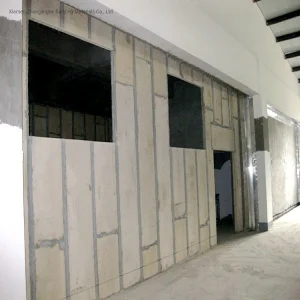
Homecoxa focuses on the research, development, and production of a wide range of insulated panel systems, including roof sandwich panels, wall panels, cold storage panels, and interior partition and ceiling solutions. All products are manufactured using advanced production lines and high-quality raw materials, ensuring excellent thermal insulation, fire resistance, durability, and structural stability. These panels are widely used in industrial plants, warehouses, cold storage facilities, cleanrooms, commercial buildings, and agricultural projects.
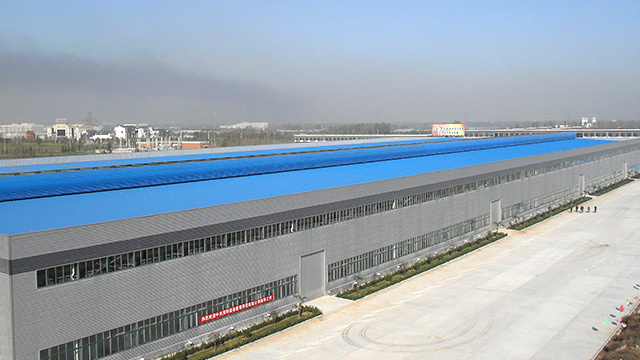
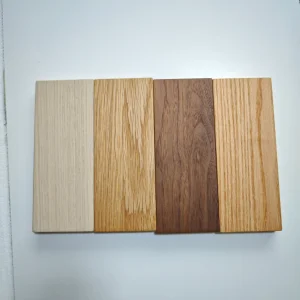
Driven by innovation and quality, Dongguan Homecoxa Panels Co., Ltd. continuously improves its manufacturing processes and product performance to enhance energy efficiency and reduce construction time. The company also offers customized solutions based on specific project requirements, including panel thickness, core materials, and surface finishes.
With a commitment to quality, reliability, and customer satisfaction, Homecoxa has established strong partnerships with clients across global markets. The company strives to deliver sustainable, cost-effective, and easy-to-install panel solutions, supporting customers in building efficient, durable, and environmentally friendly structures worldwide.
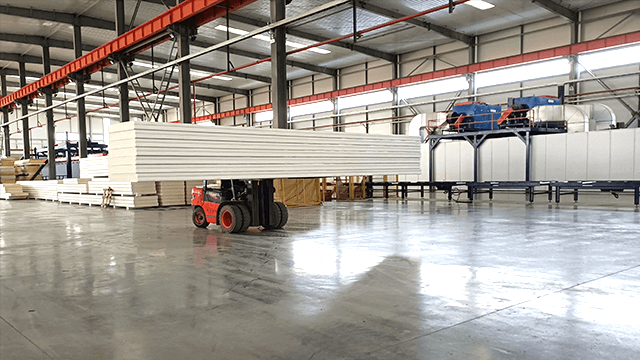
Equipped with state-of-the-art Italian-engineered continuous double-belt foaming equipment. This guarantees automated density monitoring, exact panel profiling, and zero void creation within polyurethane and polyisocyanurate cores.
Offers tailored structural options including varied panel core thicknesses (50mm up to 250mm), customized steel sheet gauges (0.4mm - 0.8mm), anti-microbial cleanroom coatings, and specialized acoustic mineral wool linings.
Every production batch undergoes comprehensive quality control, including thermal conductance laboratory testing, pull-off tensile strength verification, aging simulation chambers, and strict fire retardancy inspections.
Heavy-duty insulation products operate in diverse structural and environmental conditions. Our products are engineered to meet strict performance demands across key market sectors:
In high-capacity automated distribution centers and deep-freeze logistics facilities, maintaining consistent internal temperatures down to -35°C is crucial. Homecoxa’s tongue-and-groove PIR panels eliminate thermal leaks, protect stored goods, and lower operational energy consumption.
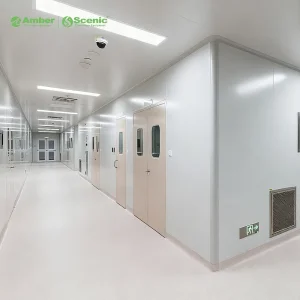
Cleanroom environments demand completely flush surfaces, chemical-resistant finishes, and zero particle emission. Specialized hygienic ceiling and wall panels integrate seamlessly with HEPA filtration profiles and maintain strict room pressurization control.
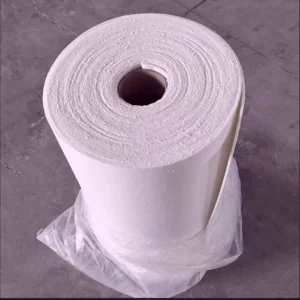
Petrochemical refining, metallurgy, and power generation processes rely on high-purity ceramic fiber tapes and dense insulation wraps to minimize thermal loss across elevated temperature steam pipes, exhaust ducts, and high-heat furnaces.
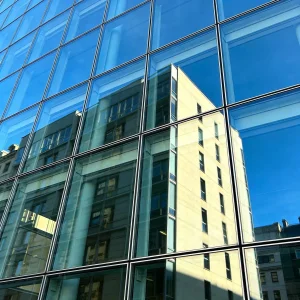
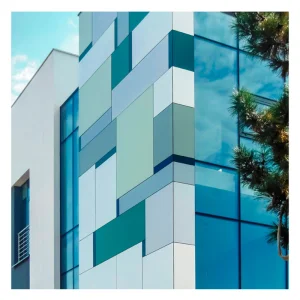
Modern high-rise commercial structures utilize thermal insulation lightweight honeycomb composite panels and structural glass curtain systems. These engineered facades provide extreme flatness, high wind load resistance, and superior exterior thermal insulation.
Review engineering guidance and direct answers to key technical questions from procurement directors, MEP engineers, and building contractors.
Review our full range of structural insulated products, water treatment hardware, thermal sealing tapes, and architectural partitioning systems.
 Homecoxa Panels