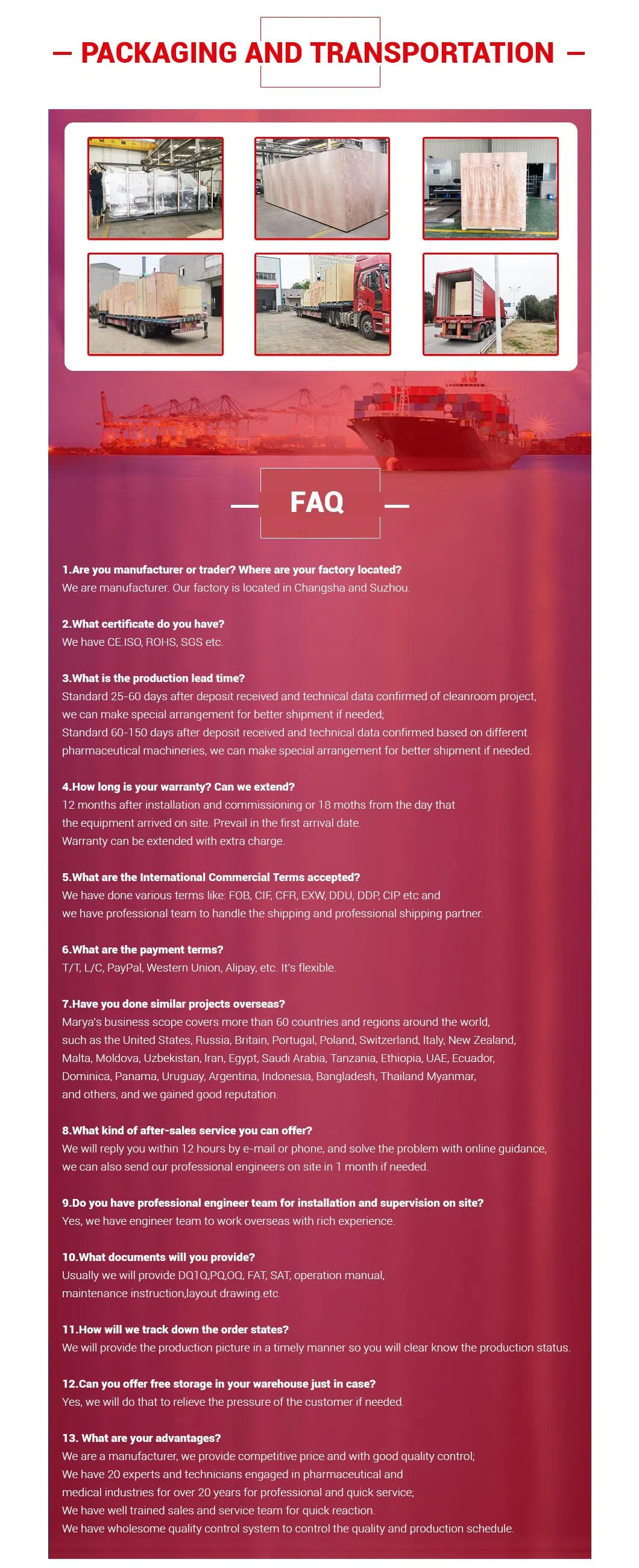
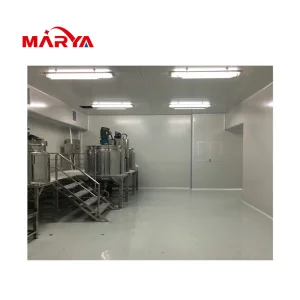
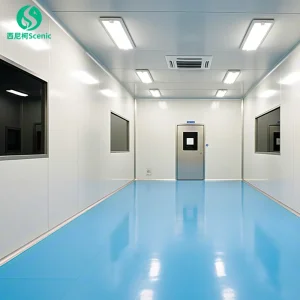
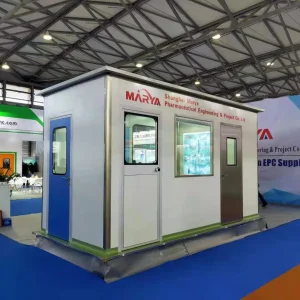
Basic Information
Model NO.:AC System
Requirements:GMP / FDA
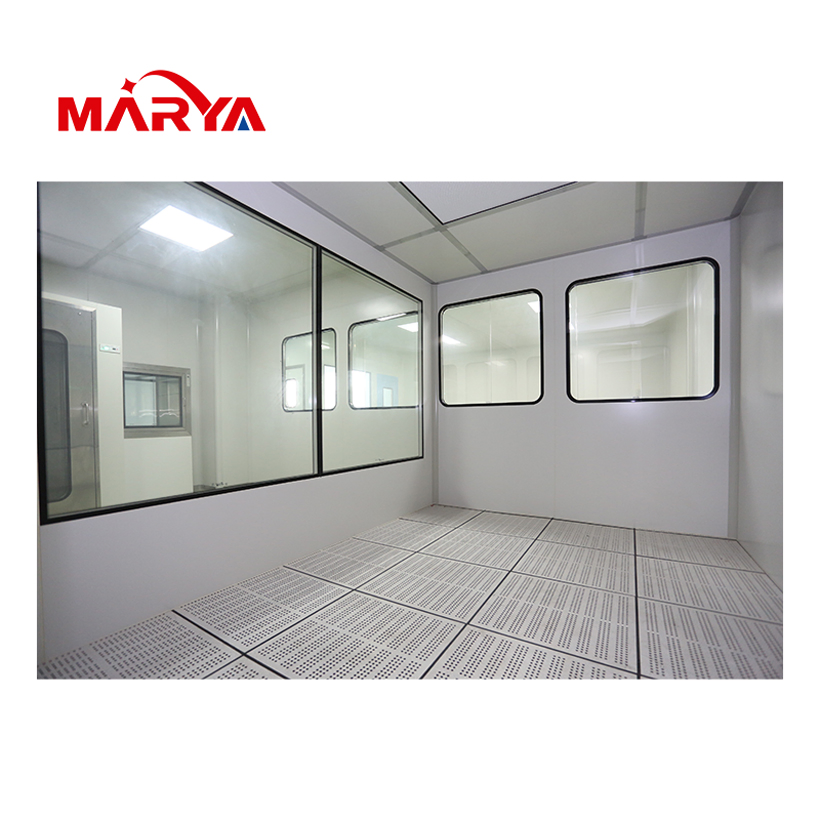
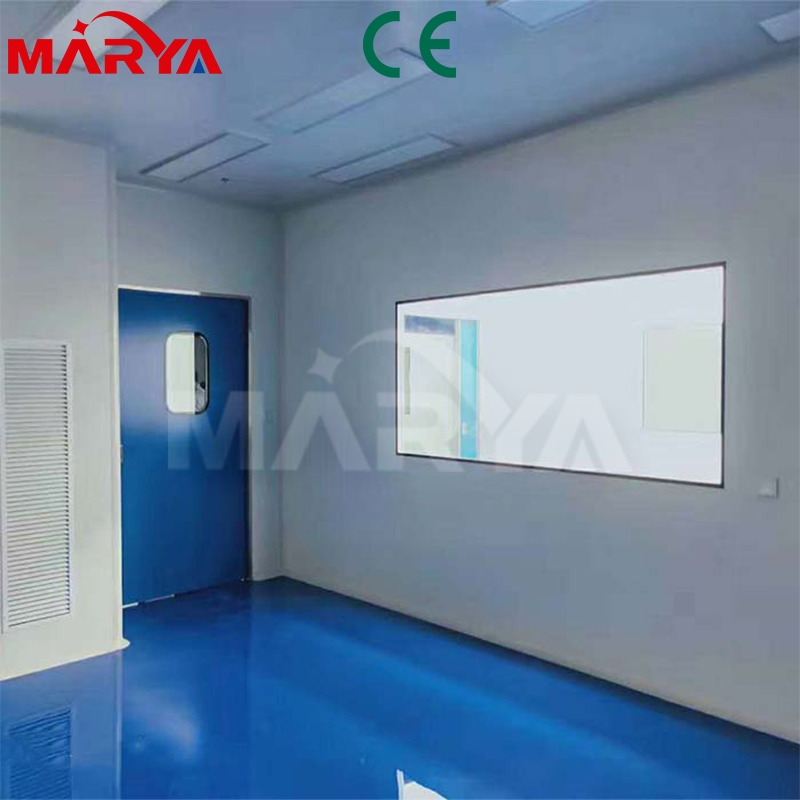
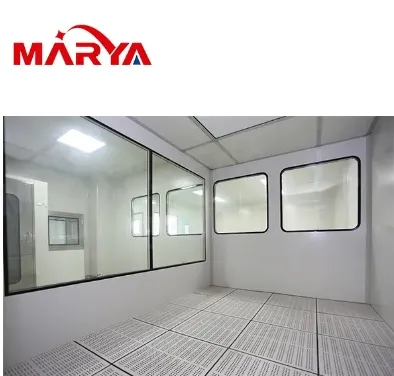
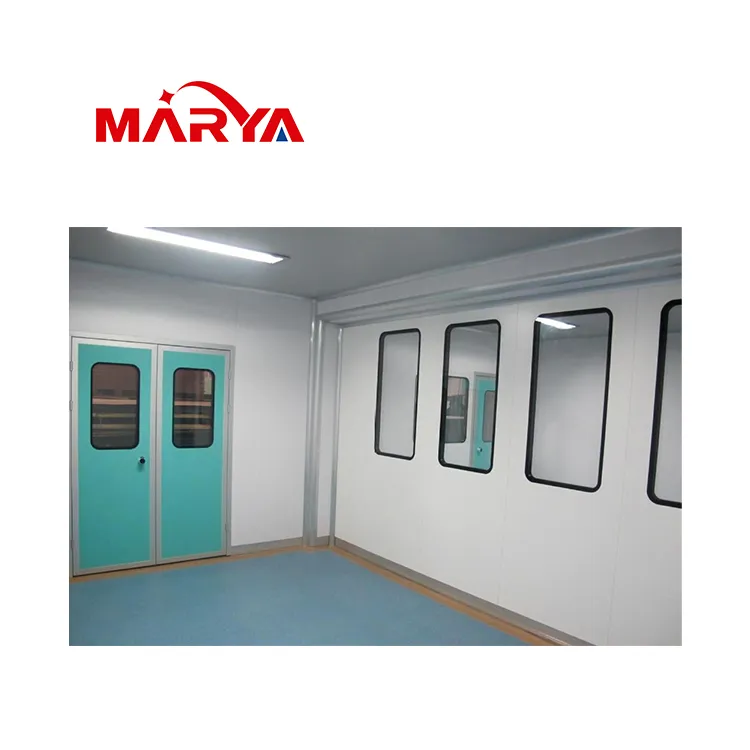
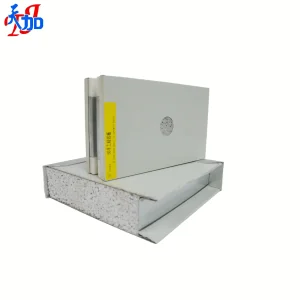
Cleanroom Panel:Color Steel, Stainless, HPL Panel
Panel Thickness:0.5mm - 0.8mm
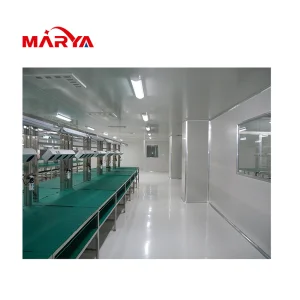
Usage:Pharmaceutical, Food, Electronics, Lab
Humidity Design:30-60%
Equipment:Air Shower, Pass Box, Weighing Booth
Control System:PLC Controller, Humidity/Temp Sensors
Cleanroom System Components
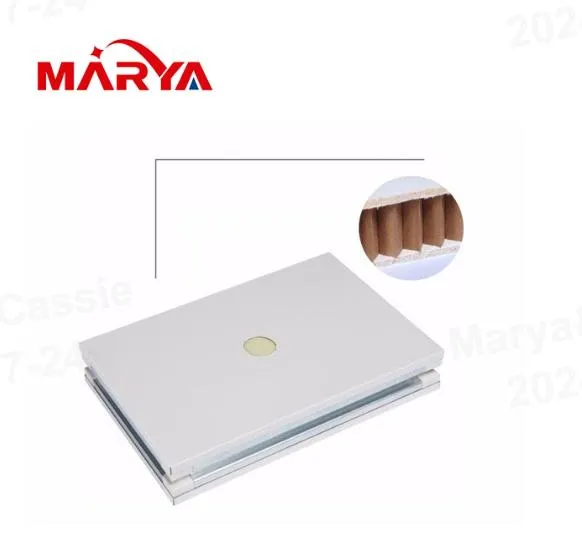
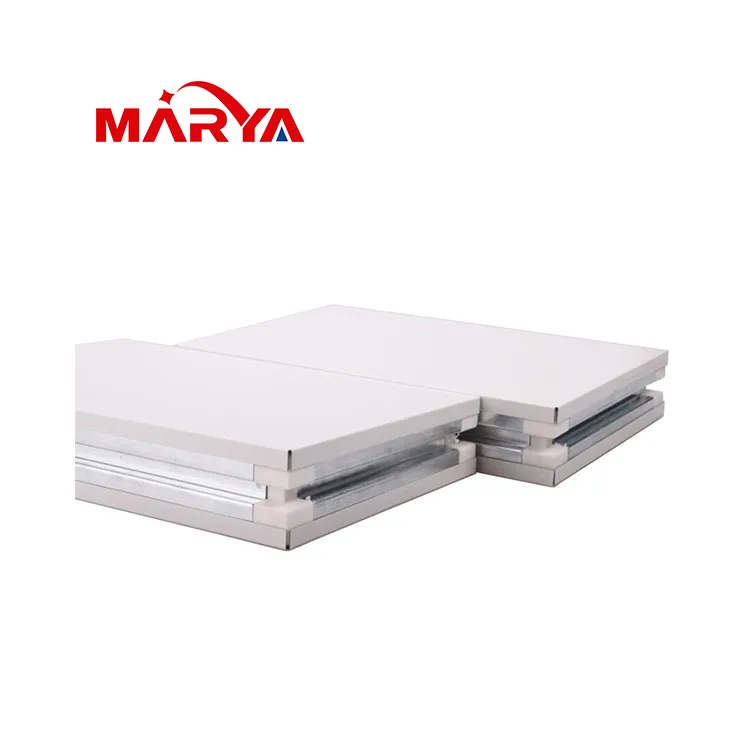
1. Cleanroom Wall & Ceiling Panels
- Standard thickness: 50mm, 75mm, 100mm.
- Core Materials: Glass magnesium, rock wool, aluminum honeycomb, paper honeycomb, PU.
- Hand-made and Machine-made options with high fire resistance (Grade A).
- High load capacity for roof panels (over 100 kg) for maintenance access.
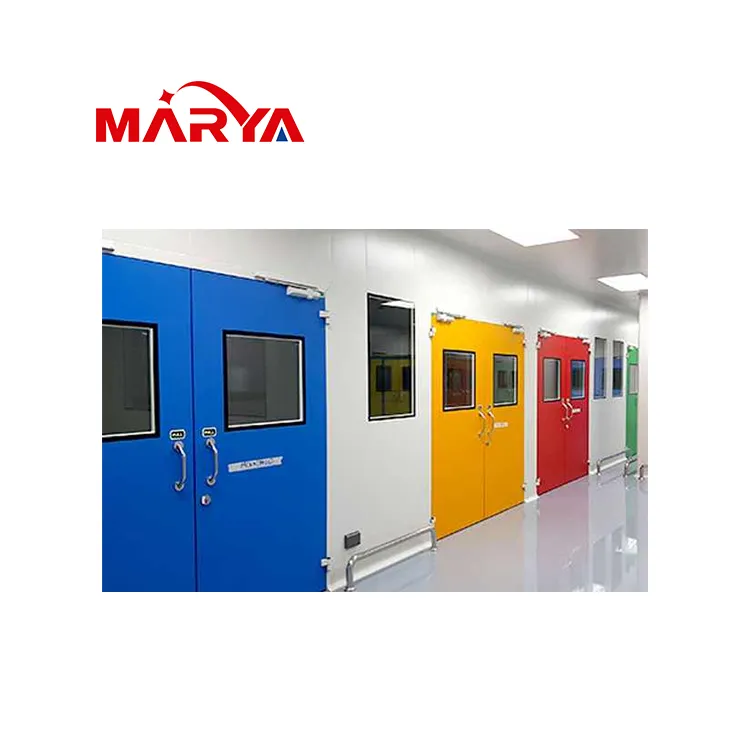
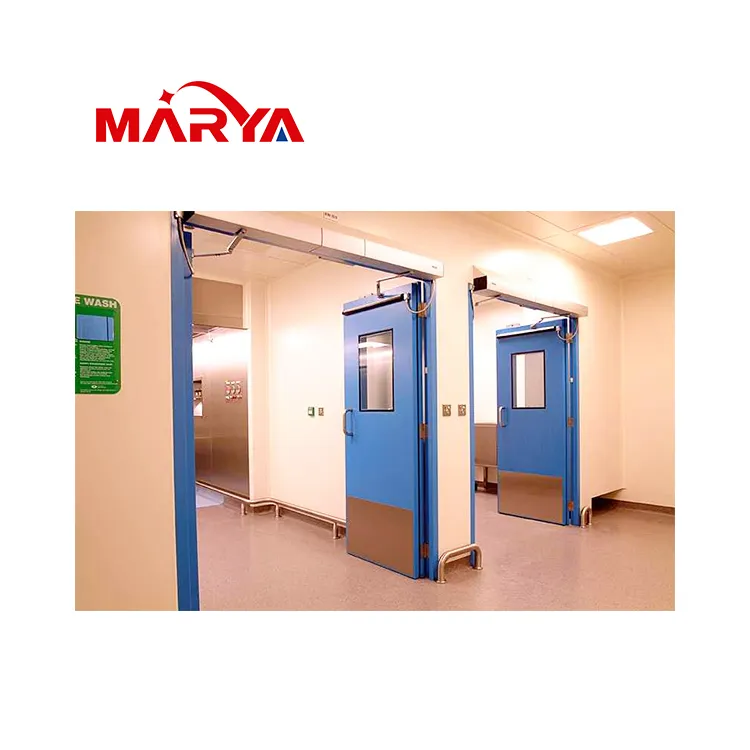
2. Cleanroom Doors
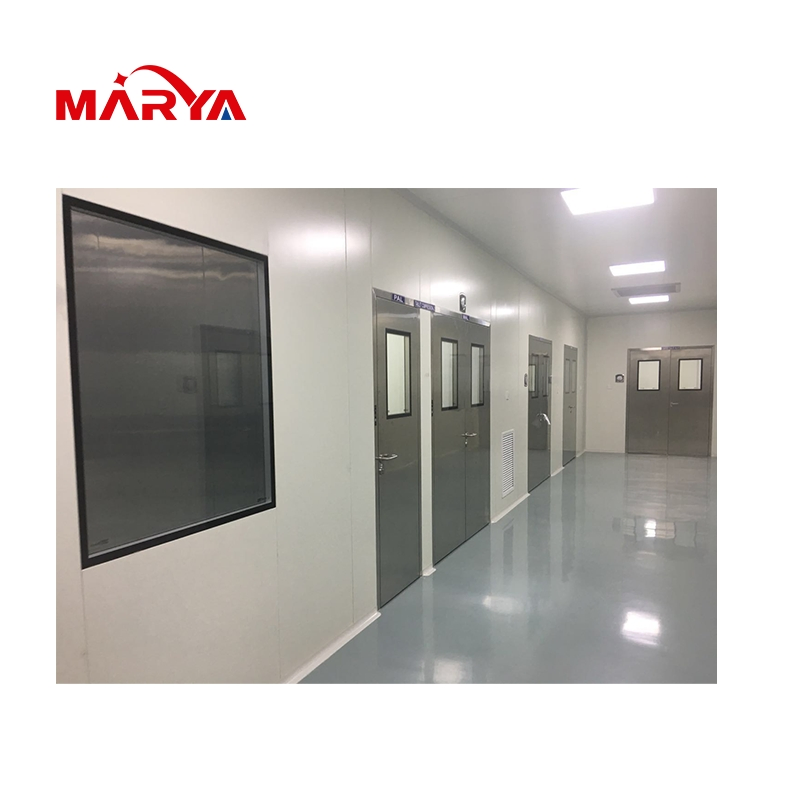
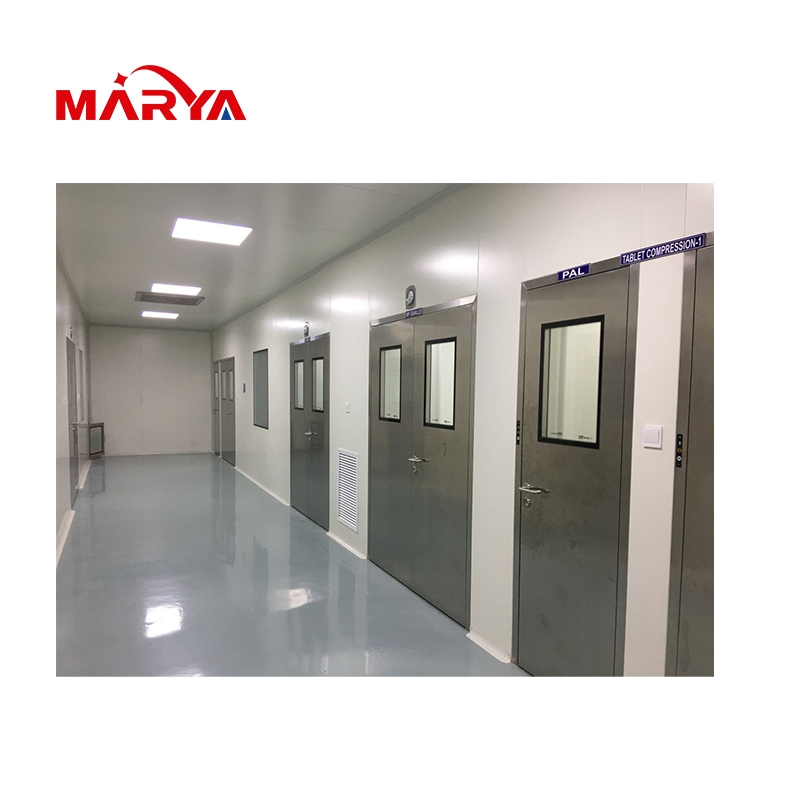
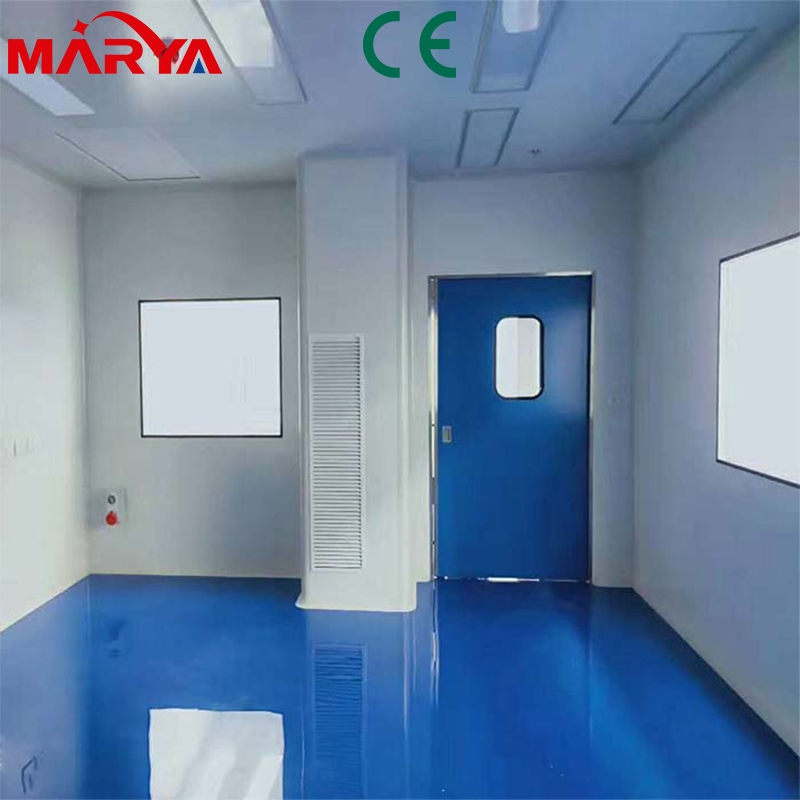
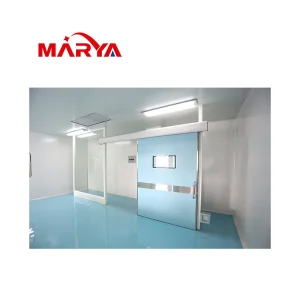
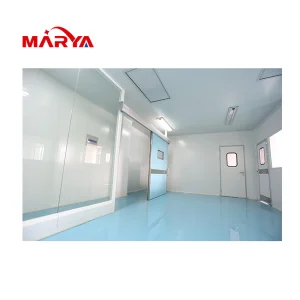
Aseptic swing doors, electric sliding doors, and fast-rolling doors. Features include high-quality 304 stainless steel hinges, automatic lifting sealing strips for air-tightness, and electronic interconnection locks.
3. Cleanroom Windows
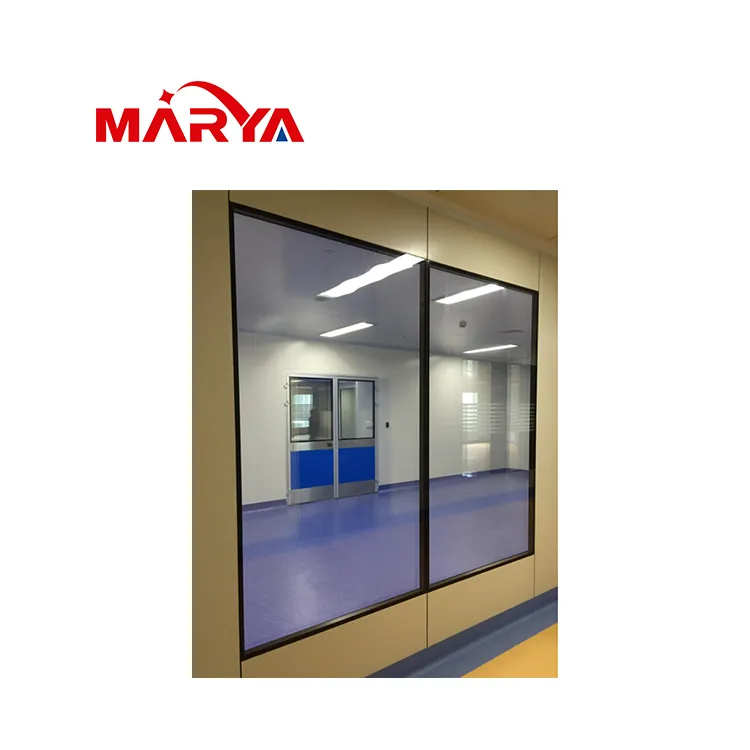
Double-layer tempered glass flush-mounted with the wall panel. Features anti-condensation technology, sound insulation (up to 45 decibels), and thermal insulation.
Flooring & HVAC Systems
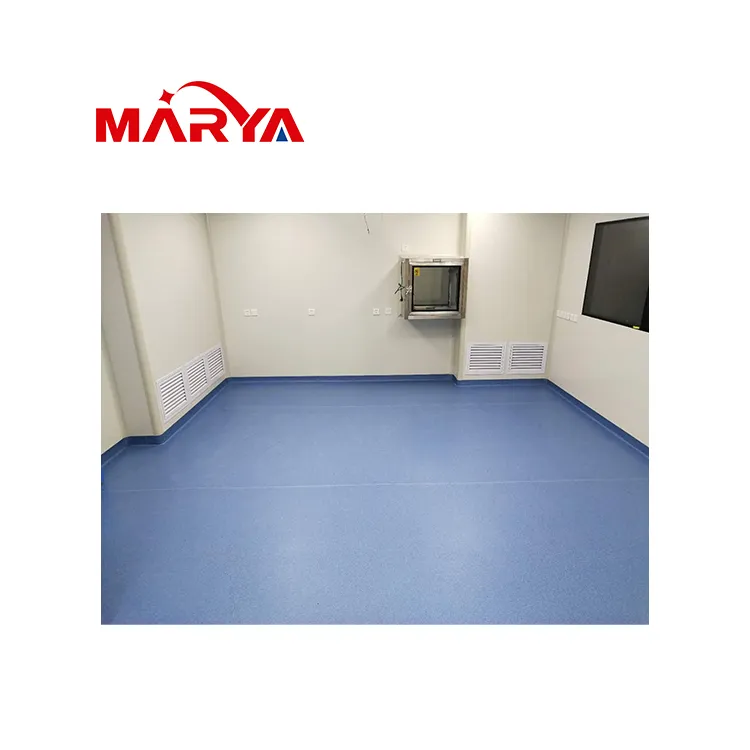
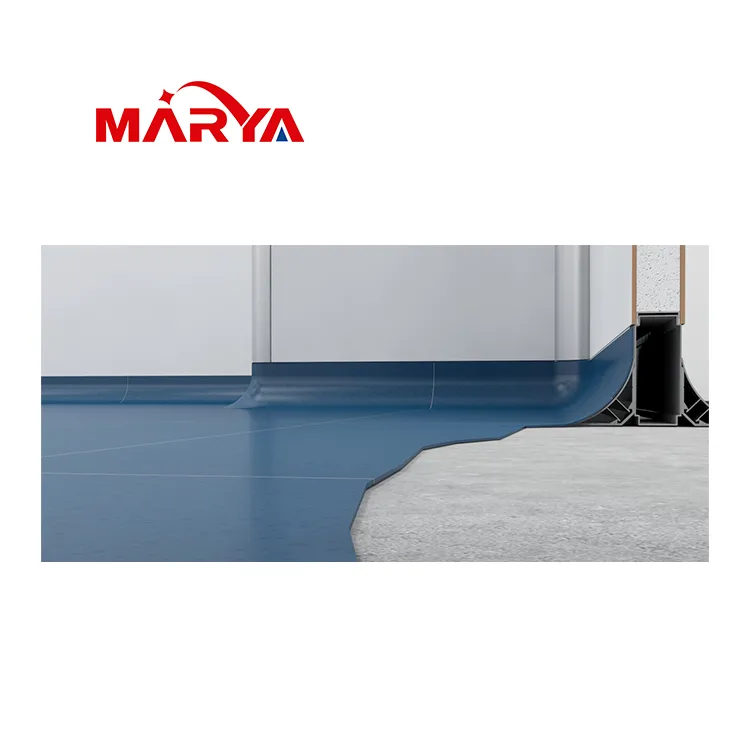
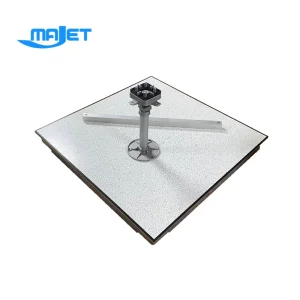
Options include PVC flooring for antimicrobial safety, Epoxy self-leveling for heavy pressure resistance, and Epoxy quartz sand for high-grade decorative and anti-slip needs.
HVAC Control
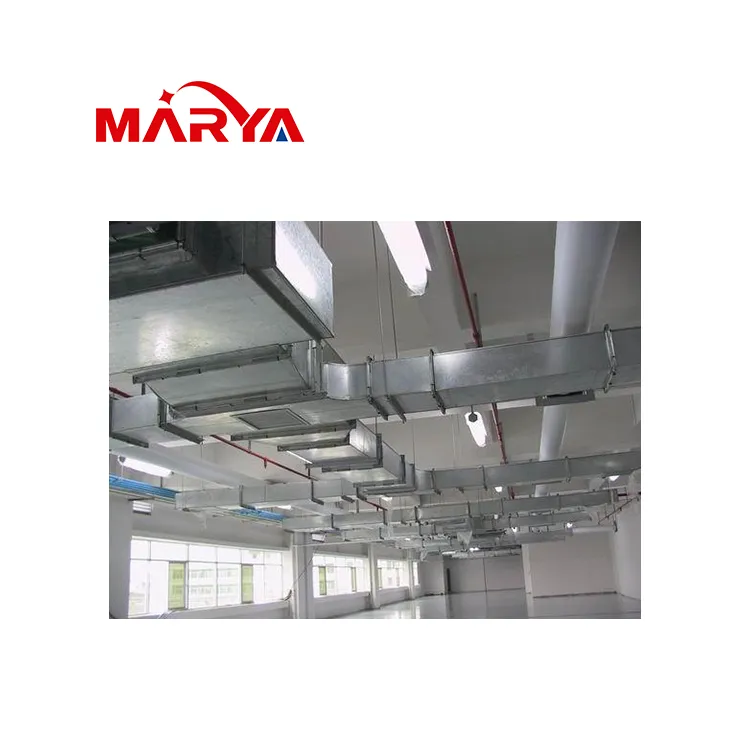
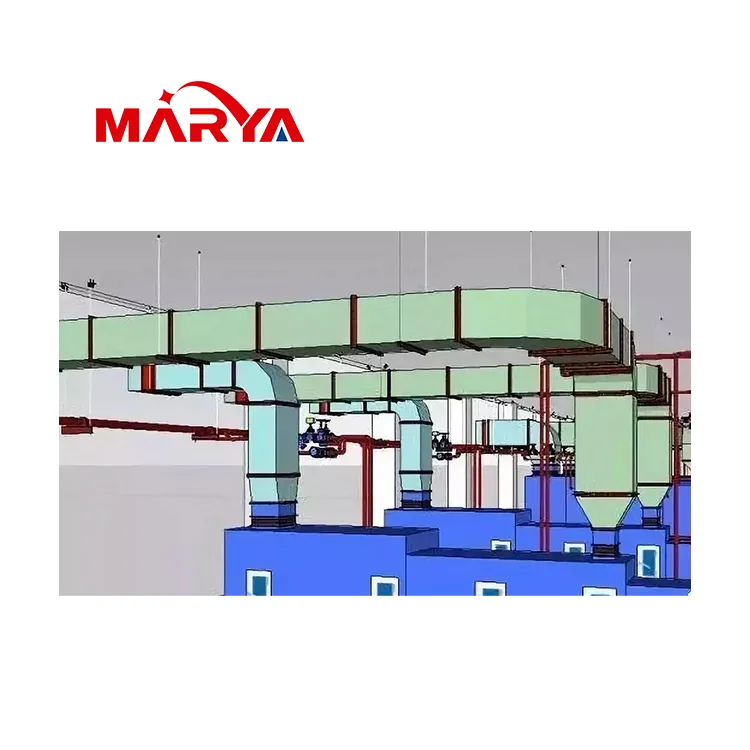
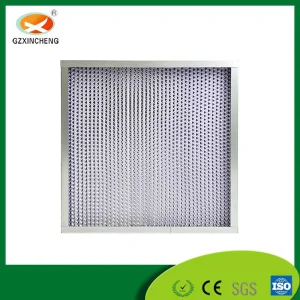
- Advanced air filtration to remove microbial particles.
- Positive pressure control for orderly pressure gradients.
- Precise temperature and humidity regulation to inhibit bacterial propagation.
Frequently Asked Questions
Q1: What cleanroom standards do your systems comply with?
A: Our systems meet Class 100-100000, ISO 5-8, and Class A-D standards, fully complying with GMP, FDA, and WHO requirements for pharmaceutical and industrial use.
Q2: Can the cleanroom design be customized for specific industries?
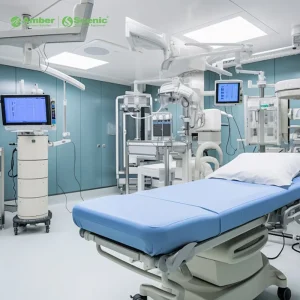
A: Yes, we provide customized designs for various sectors including pharmaceuticals, laboratories, food and chemical industries, electronics processing, and hospitals.
Q3: What core materials are available for the cleanroom panels?
A: We offer several core materials including glass magnesium, rock wool, aluminum honeycomb, paper honeycomb, EPS, and PU to meet different fire resistance and insulation needs.
Q4: How do you ensure air tightness in the cleanroom?
A: We use double-sealed door frames, automatic lifting sealing strips at the bottom of doors, and silica gel sealing between panel seams to maintain strict positive pressure and air tightness.
Q5: Do you provide on-site installation services for international projects?
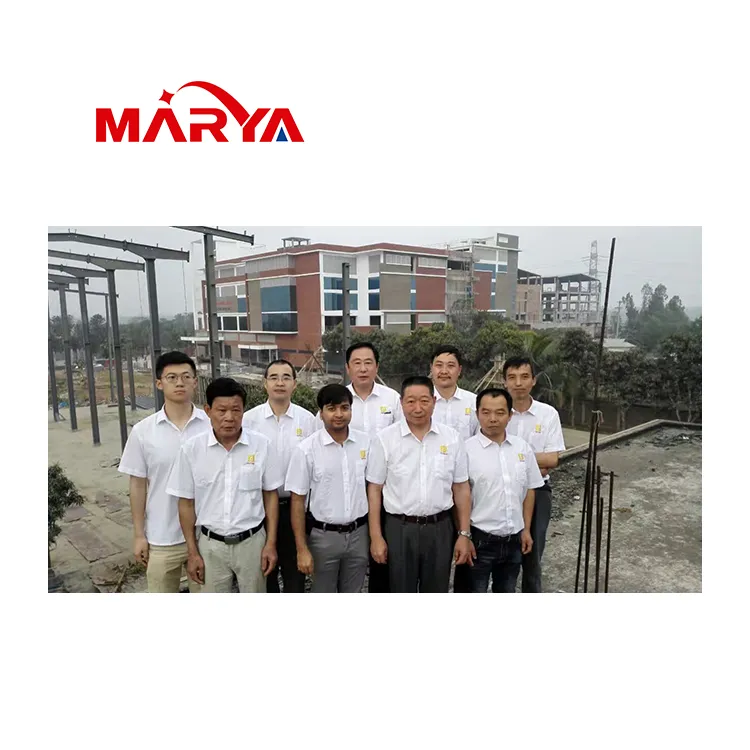
A: Yes, we have professional installation engineers with extensive experience who can be sent abroad to manage construction and ensure the project meets all design specifications.
Q6: What are the benefits of the modular cleanroom design?
A: The modular design allows for rapid manufacturing and fast on-site installation, significantly reducing project timelines while maintaining high precision and safety standards.
 Homecoxa Panels