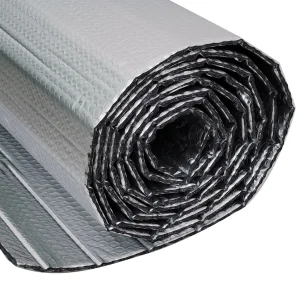
Technical Specifications
Chemical Composition:
BN, SiO2, B4C, SiC, Al2O3.SiO2, Al2O3
Shape:
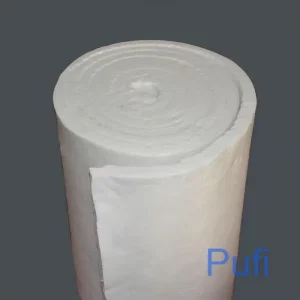
Ceramic Fiber Cotton
Manufacturing Technique:
Jilt Silk Rug
Kind:
Ordinary Ceramic Fiber
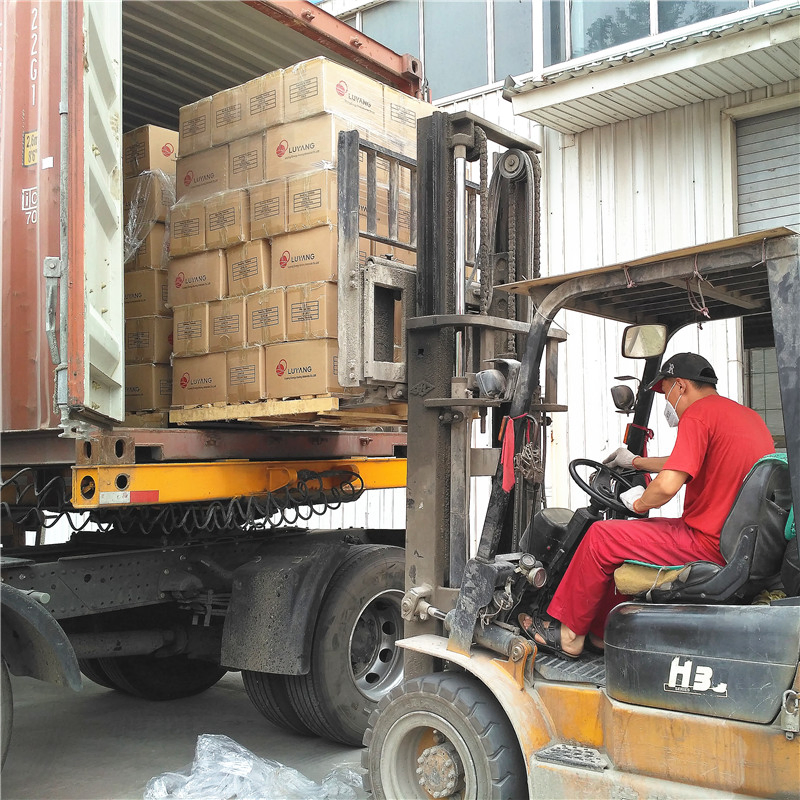
Transport Package:
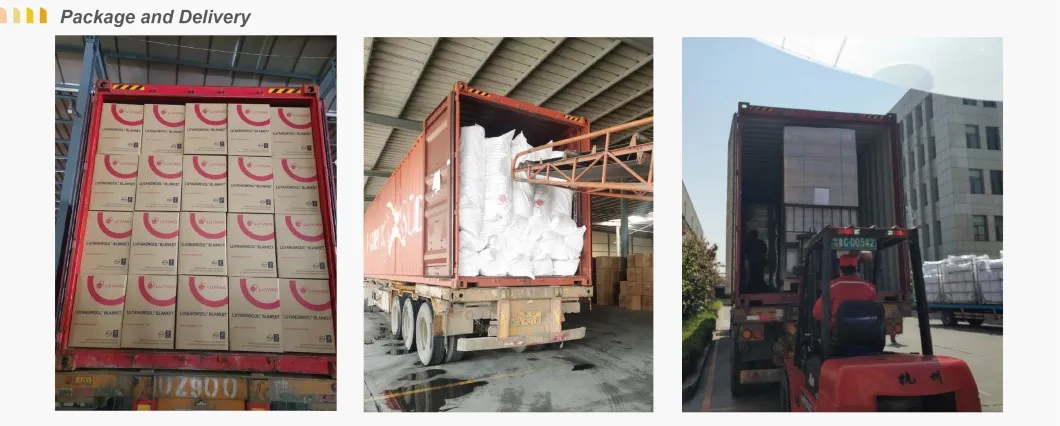
Carton
Production Capacity:
400,000 tons
Product Description
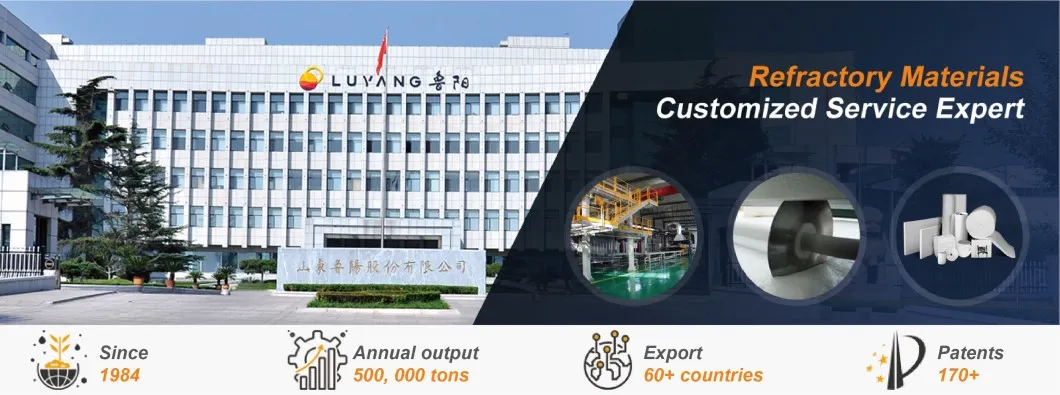
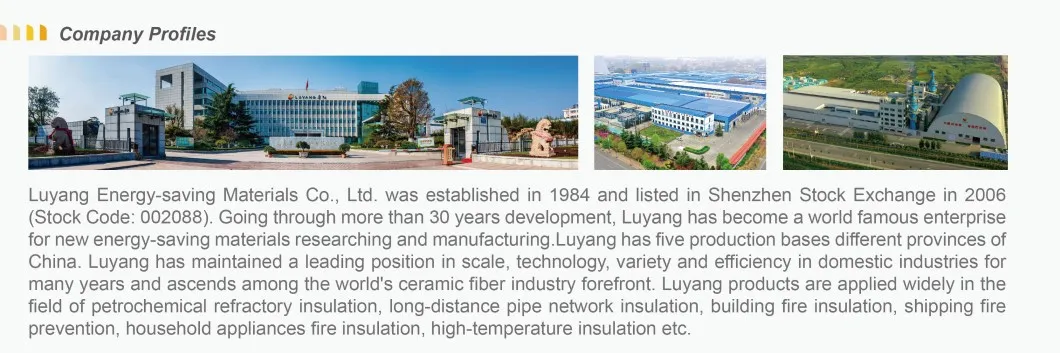
The manufacturer was established in 1984. Through more than 30 years of development, it has become a world-famous enterprise for new energy-saving materials research, manufacturing, and sales in the field of ceramic fibers, soluble fibers, alumina fibers, rock wool fibers, and insulating firebricks.
Core Capabilities:
- Professional inorganic fiber materials manufacturer.
- Drafting unit of international and national standards.
- Leader in energy-saving and environmental protection materials.
- Operates a national-recognized technology center and State Key Laboratory.
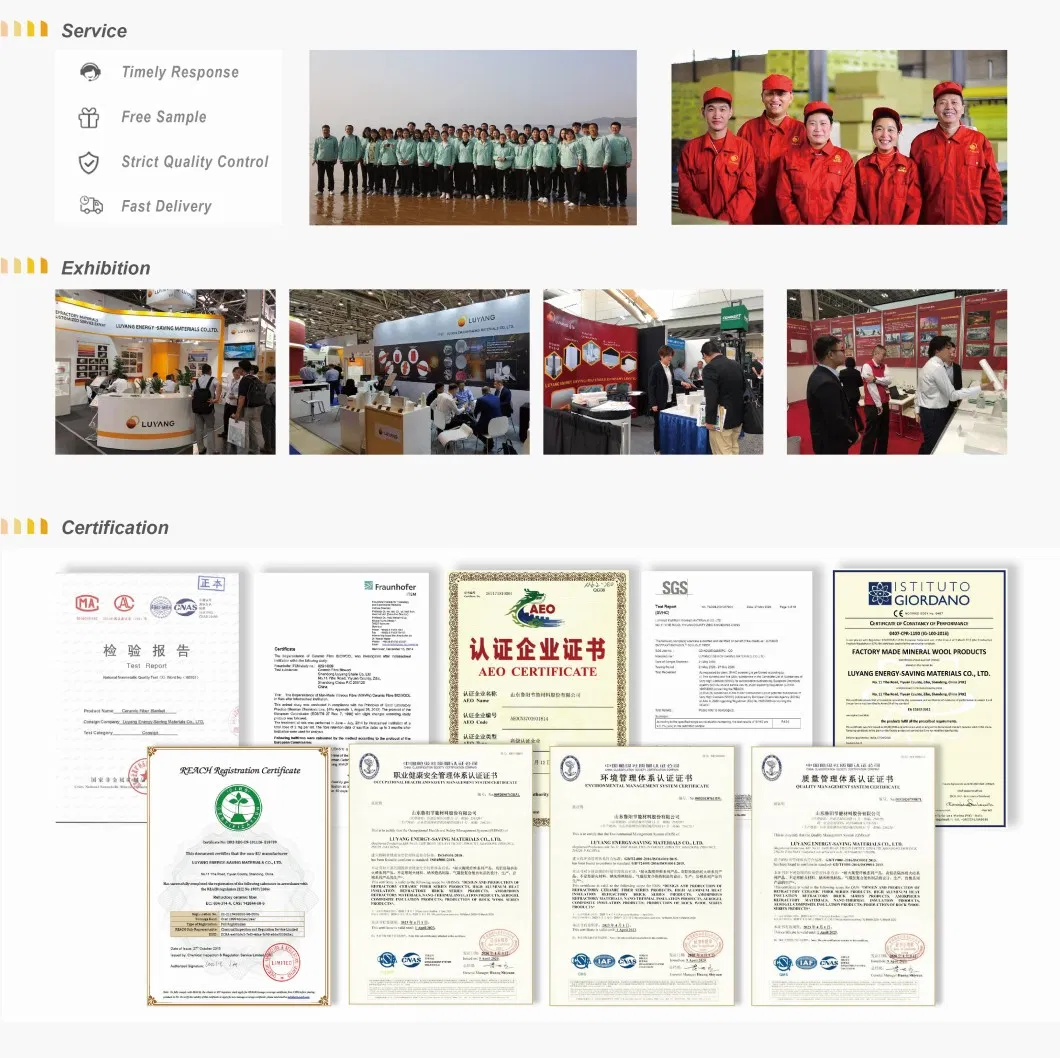
- Holds 126 patents and 54 scientific and technological achievements.
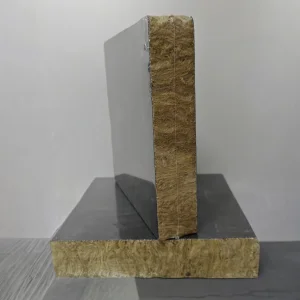
With an annual output of 400,000 tons of various ceramic fiber products and 200,000 tons of rock wool products, the facility maintains a leading position in scale, technology, and variety. Products are in great demand worldwide and sold in more than sixty countries and regions, including the USA, EU, Japan, and Vietnam.
Industrial Development Milestones
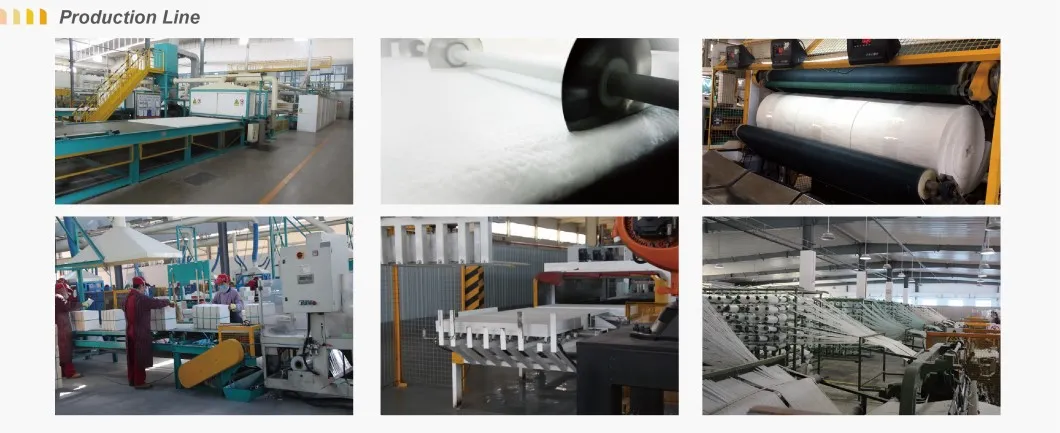
Foundational Era: In 1990, the Needled Blanket Production Line was built to upgrade product equipment. By 1992, the enterprise completed significant shareholding reforms.
Expansion Phase: In 1996, the facility was identified as a major refractory fiber production base. High-grade zirconium fiber blankets were successfully developed and recognized as a "National New Product". This period also saw the development of ceramic fiber paper, textiles, and back lining boards.
Technical Leadership: The enterprise has successfully developed world-class products such as Soluble Fibers, Monolithic Modules, and Microporous Boards. In 2013, a specialized rock wool production line with an annual output of 50,000 tons was put into operation. Recently, the manufacturer participated in establishing International Standards ISO 20310 & ISO 22152.
Wide Range of Applications
Our products are applied widely in various high-demand fields:
- Petrochemical refractory insulation
- Long-distance pipe network insulation
- Building fire insulation and shipping fire prevention
- Household appliances fire insulation
- High-temperature industrial insulation
Frequently Asked Questions
What are the primary materials used in these ceramic fibers?
The chemical composition includes BN, SiO2, B4C, SiC, and Al2O3.SiO2, ensuring high thermal resistance and durability.
What is the total annual production capacity?
The manufacturing facility produces approximately 400,000 tons of ceramic fiber products and 200,000 tons of rock wool products annually.
Which industries commonly use these insulation materials?
They are widely used in petrochemicals, building construction for fireproofing, shipbuilding, long-distance piping, and high-temperature industrial furnaces.
Do the products meet international standards?
Yes, the manufacturer actively participates in drafting and following international standards such as ISO 20310 and ISO 22152.
What types of specialty fiber products are available?
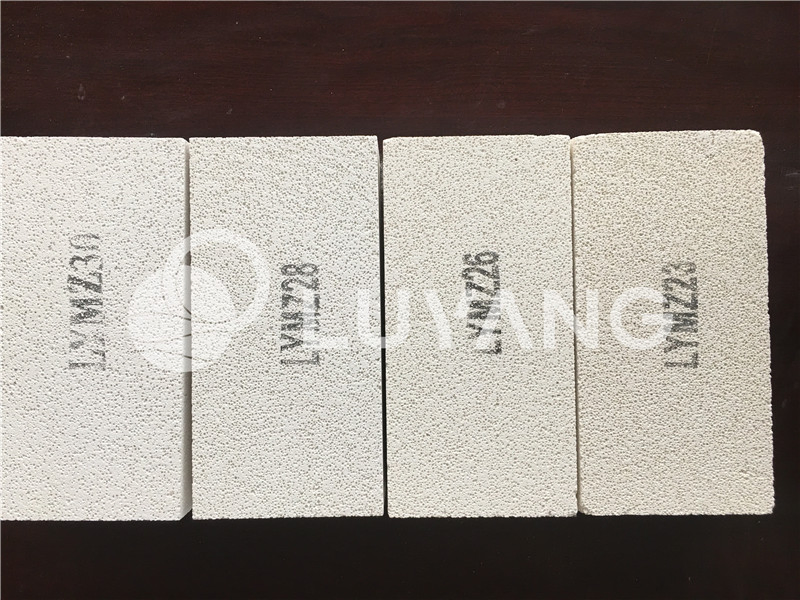
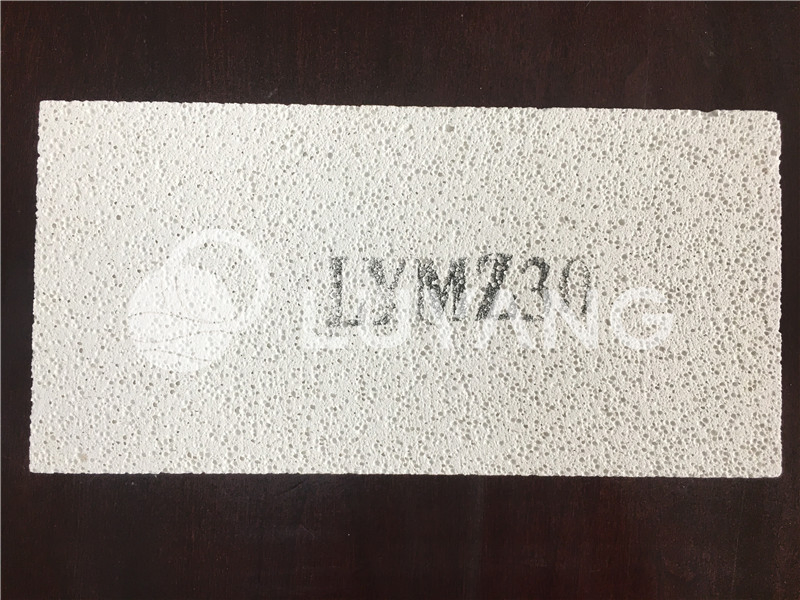
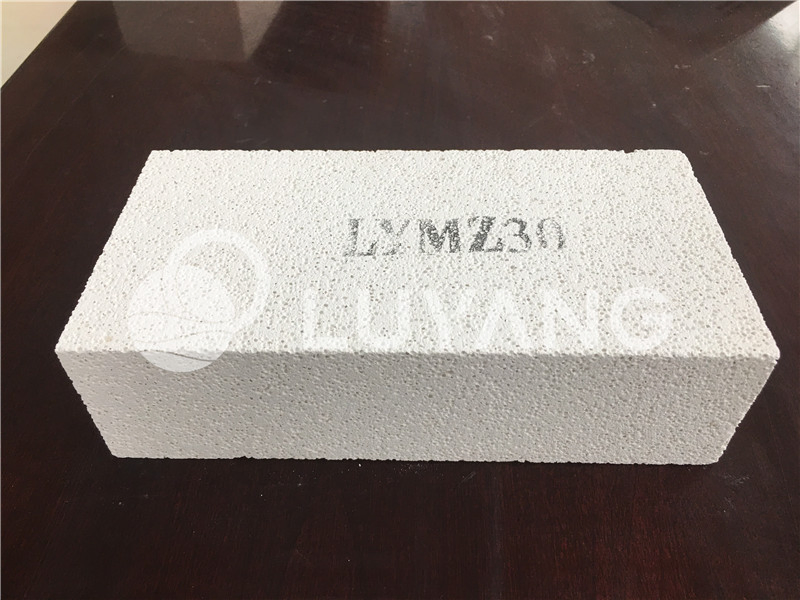
In addition to ordinary ceramic fiber, the range includes soluble fibers, alumina fibers, zirconium fiber blankets, monolithic modules, and microporous boards.
How are the products packaged for transport?
The standard transport packaging for these materials is reinforced cartons to ensure safety during domestic and international shipping.
 Homecoxa Panels