Homecoxa Panels
1 / 5
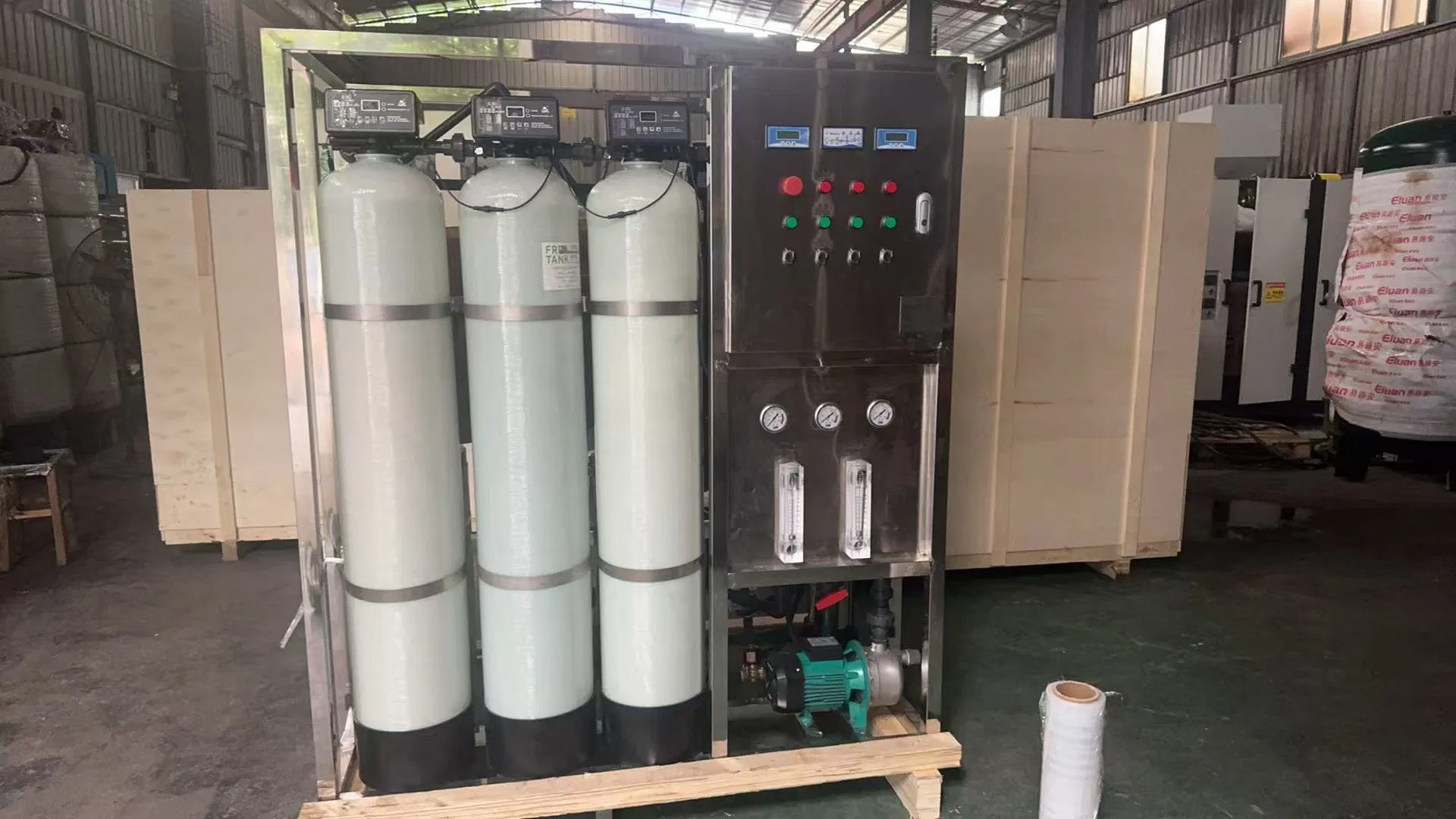
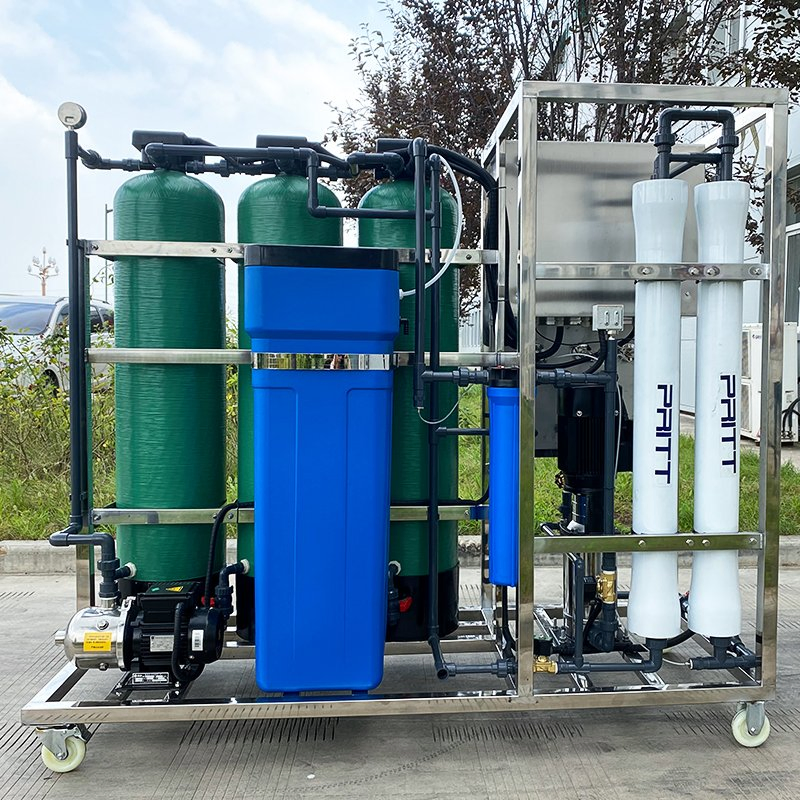
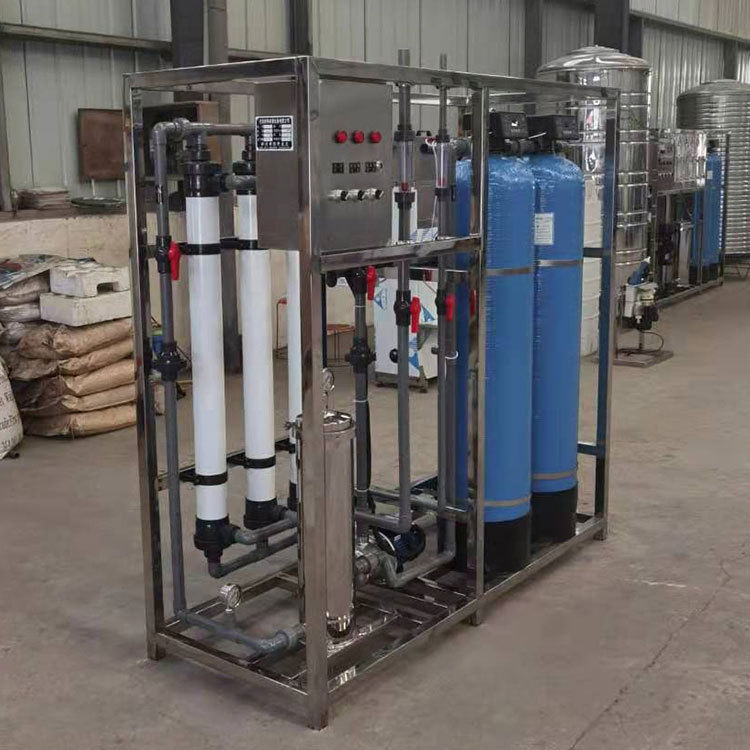
Reverse osmosis (RO) is a kind of membrane separation process driven by pressure gradient. It can effectively remove dissolved salt colloids and organic matters in water like molecular filter. The reverse osmosis process is the reverse process of natural osmosis. By using a water pump to exert pressure on saline solution, water passes through the reverse osmosis membrane while impurities are continuously washed away to realize desalination and purification.
| Model | Capacity (L/H) | Power (KW) | Membrane | Size (L*W*H mm) | Weight (Kg) |
|---|---|---|---|---|---|
| RO-250 | 250 | 1.65 | 4040*1 | 1400*600*1600 | 150 |
| RO-500 | 500 | 1.65 | 4040*2 | 1400*600*1600 | 250 |
| RO-1000 | 1000 | 2.05 | 4040*4 | 1600*800*1800 | 500 |
| RO-1500 | 1500 | 4.4 | 4040*6 | 2700*800*1600 | 600 |
| RO-2000 | 2000 | 4.4 | 4040*8 | 2700*800*1600 | 700 |
| RO-2500 | 2500 | 4.5 | 4040*10 | 2500*600*1600 | 800 |
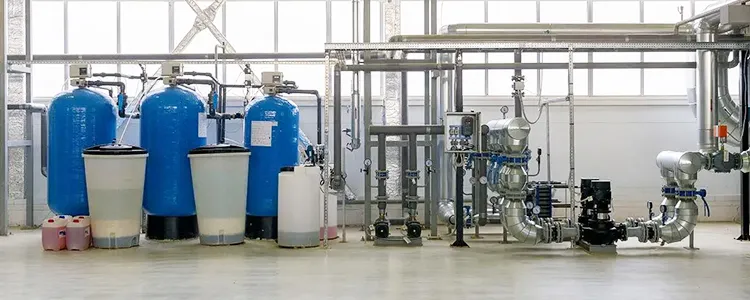
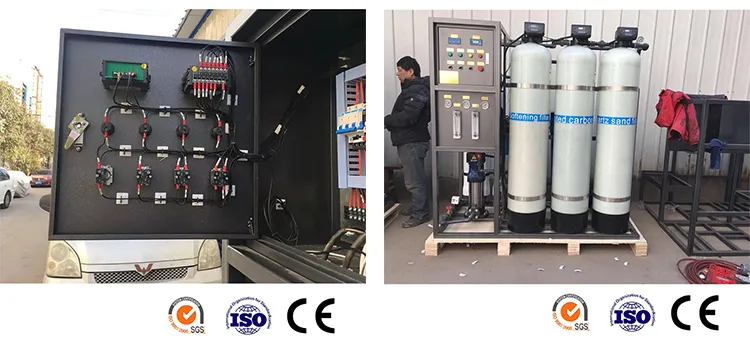
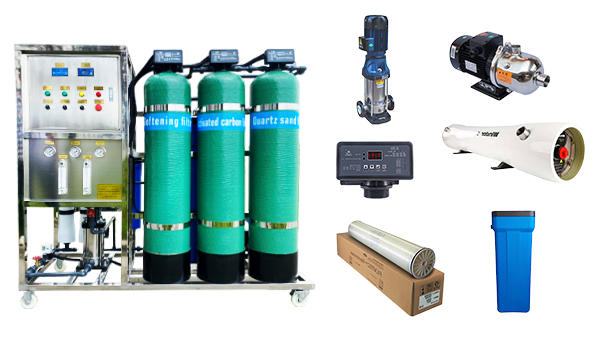
Additional spare parts such as level controllers, central tubes, and control valves are available as required.
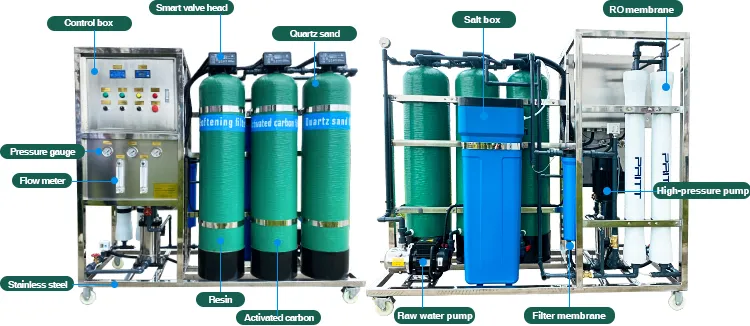
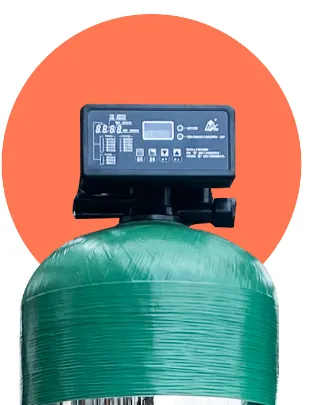
Features time-set automatic operation and regeneration cleaning function, significantly saving time and manual effort.
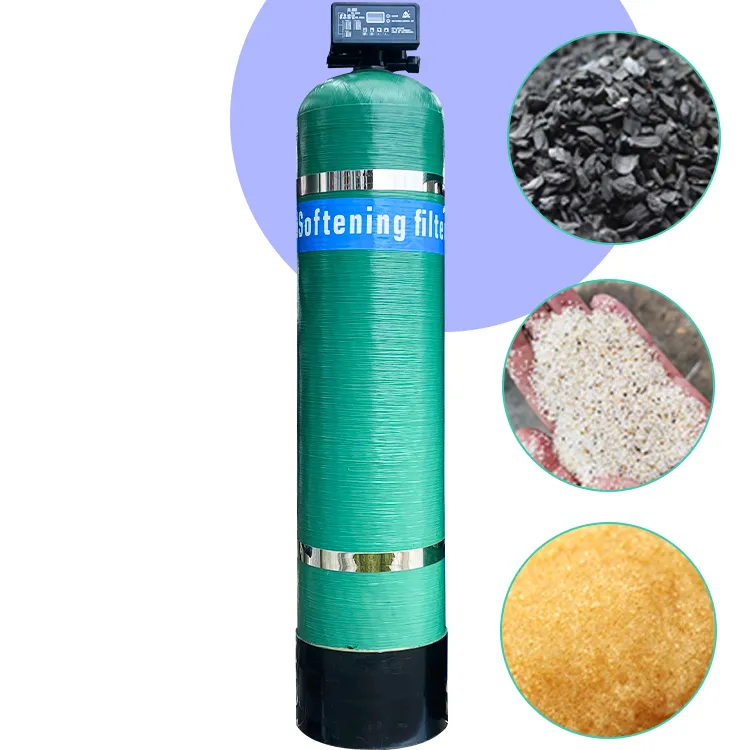
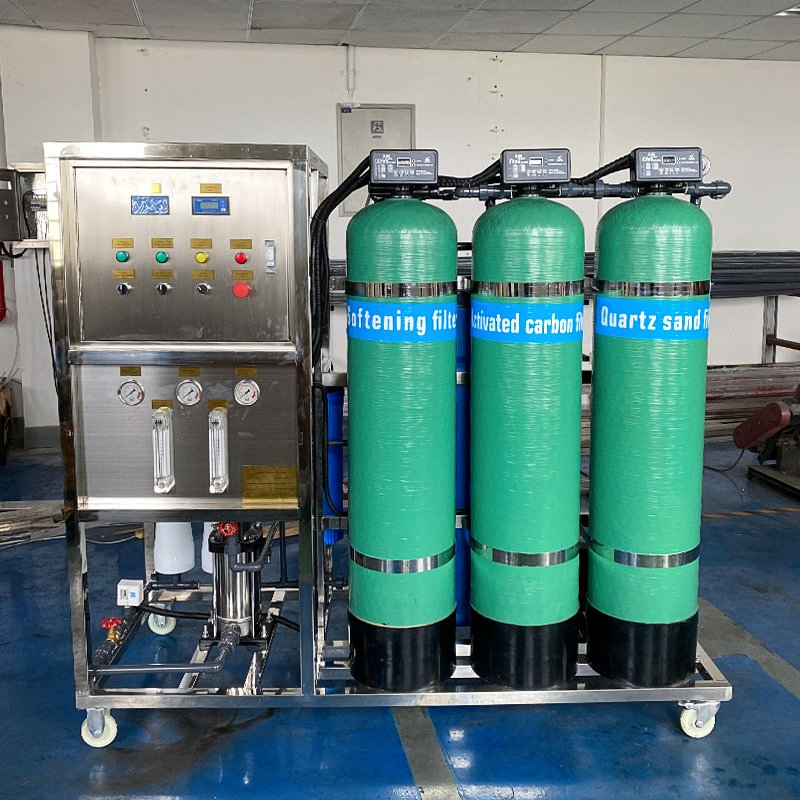
1. High-quality quartz sand: Removes flocculated pollutants through retention and adsorption.
2. High-quality resin: Absorbs calcium and magnesium via ion exchange to soften water.
3. High-quality activated carbon: Adsorbs soluble impurities, odors, and color to ensure clear water.