Homecoxa Panels
1 / 5
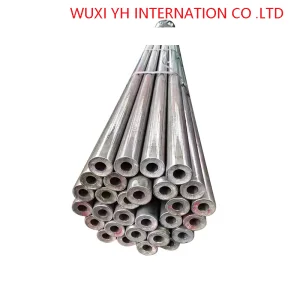
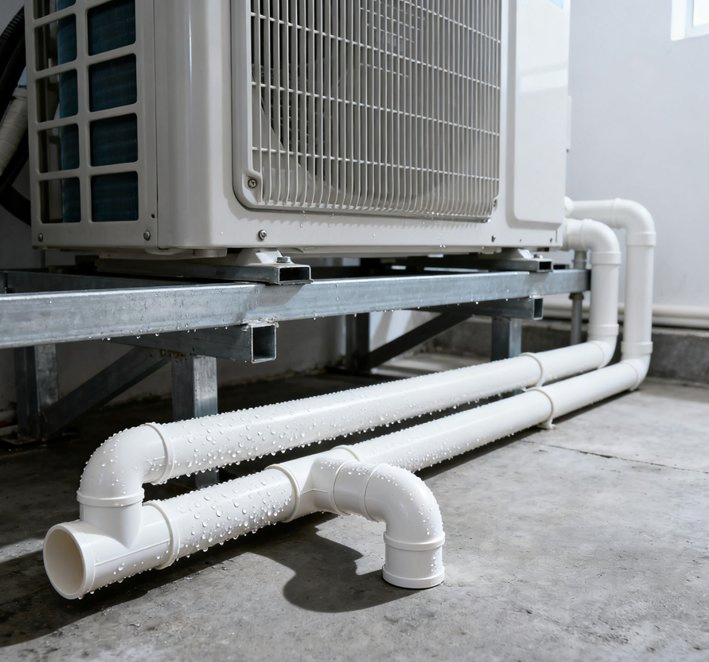
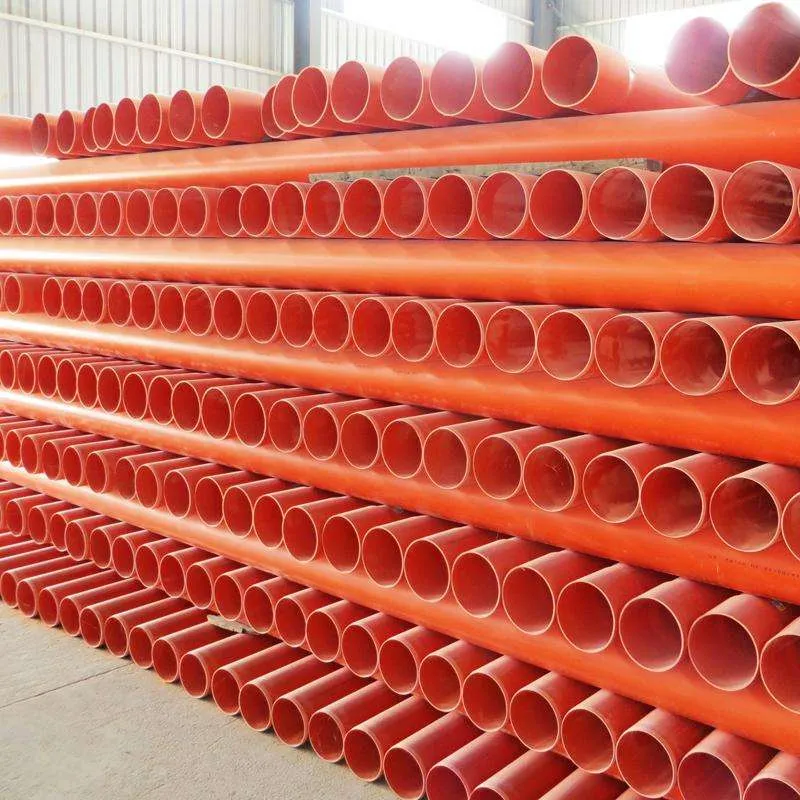
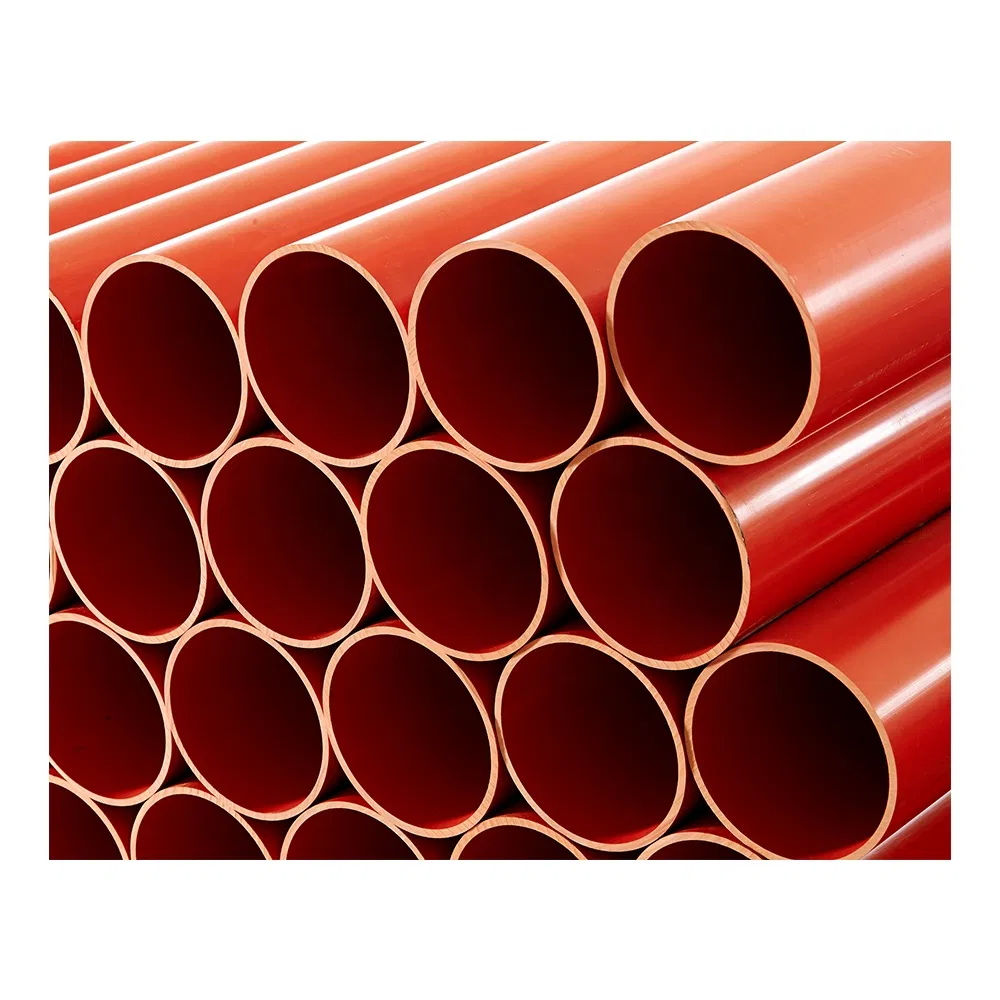
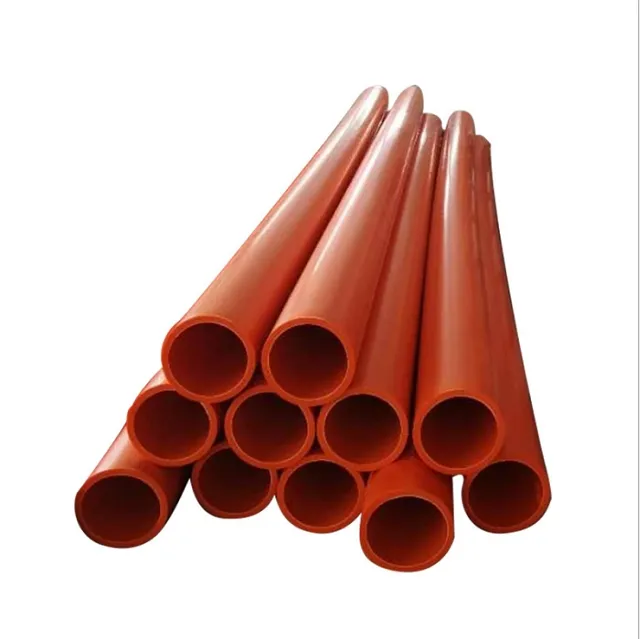
CPVC piping boasts an impressive array of properties that set it apart from traditional piping materials. First and foremost, CPVC piping has unrivaled temperature resistance, withstanding temperatures ranging from -40°F to 200°F (-40°C to 93°C). This makes it ideal for hot and cold water distribution systems, ensuring consistent performance without degradation.
In addition, CPVC pipe offers excellent chemical resistance to a wide range of acids, bases and solvents. This characteristic is critical in environments such as chemical processing plants and laboratories where harsh chemicals are frequently encountered. High-pressure resistance further enhances its versatility, making it suitable for plumbing systems, water distribution networks and other high-pressure applications.
Corrosion resistance is another major advantage of CPVC piping. Unlike traditional metal piping, which is prone to corrosion and rust, CPVC piping maintains its structural integrity over time, which reduces maintenance costs and extends the life of the piping system. In addition, CPVC piping is lightweight and easy to install, simplifying the installation process and minimizing labor costs.
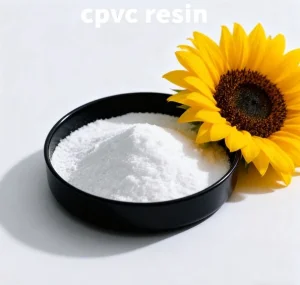
| Property | Unit | Typical Value | Notes |
|---|---|---|---|
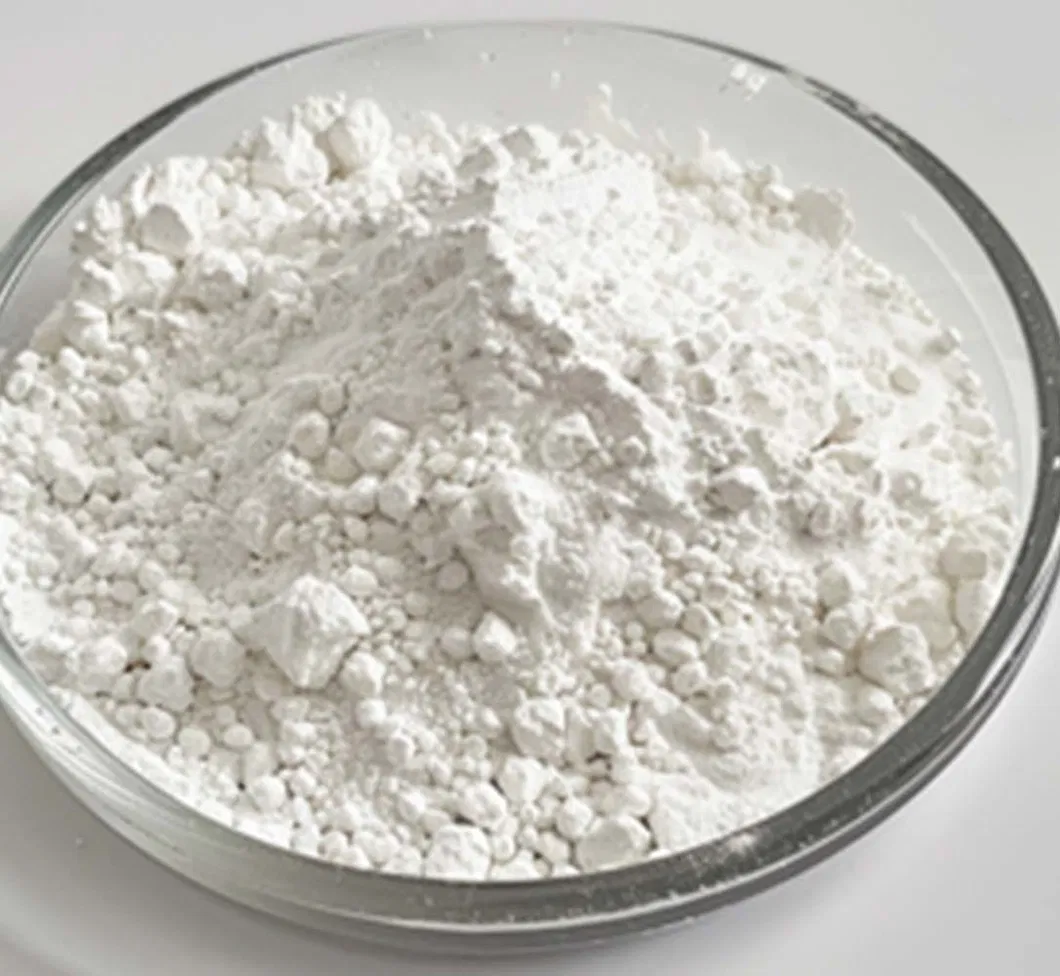
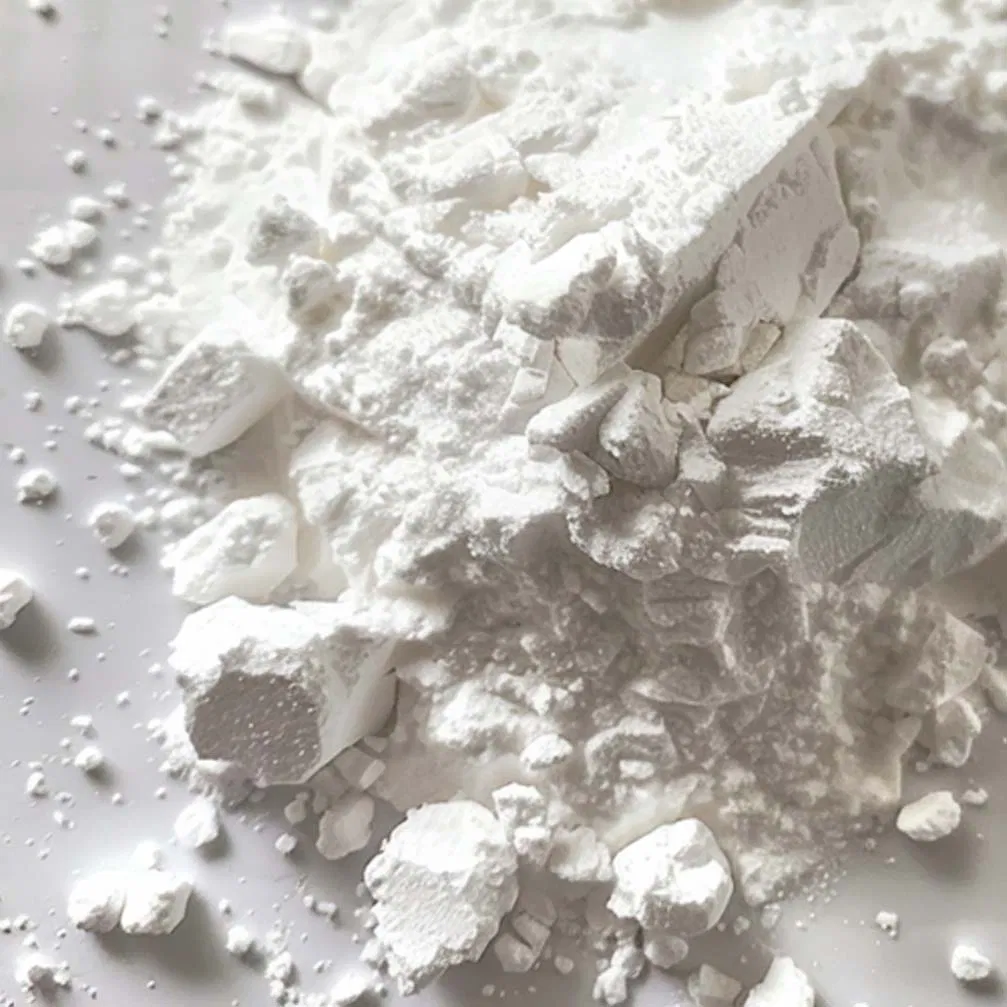
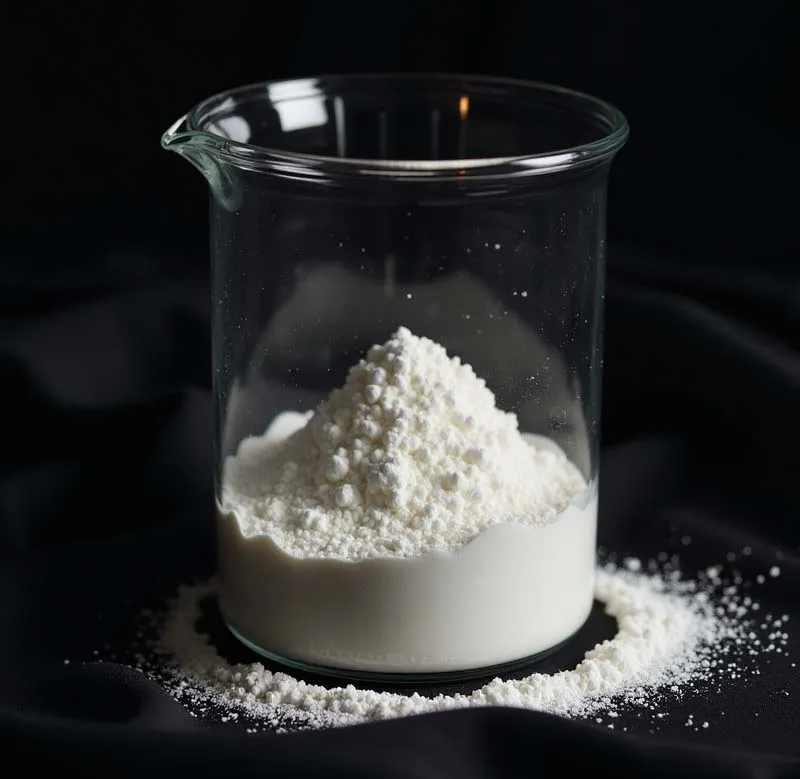
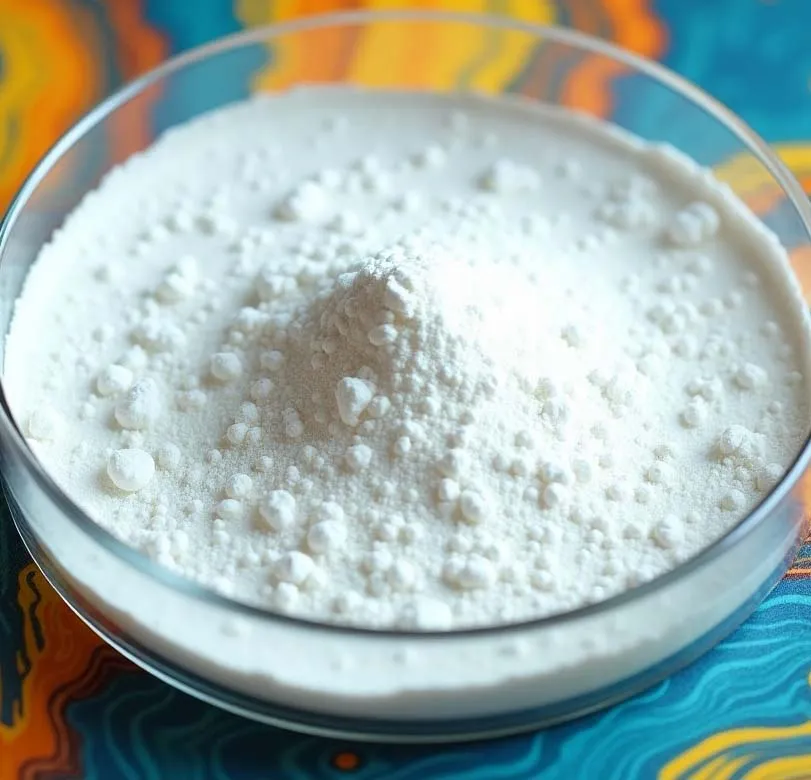
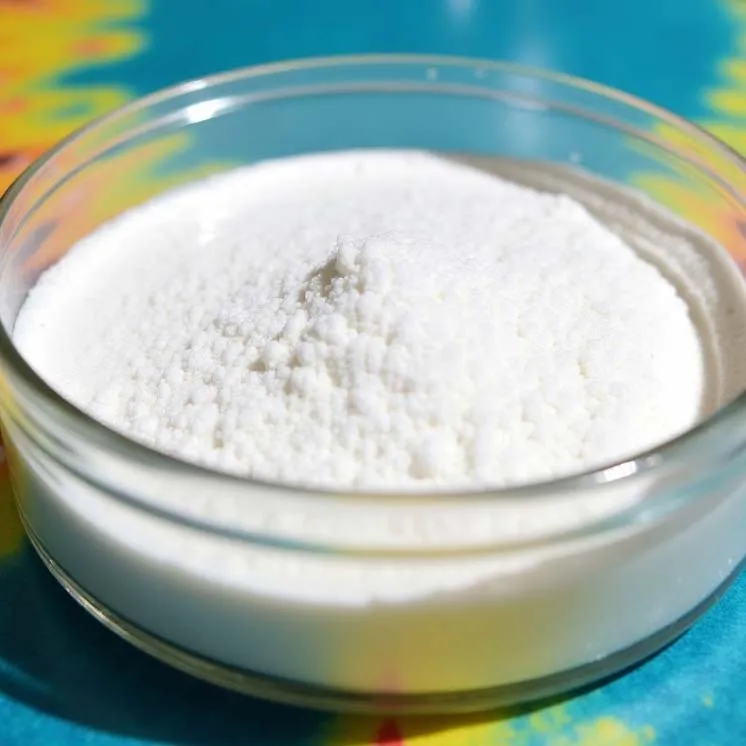
| Appearance | - | White to pale yellow powder/granules | Free-flowing |
| Bulk Density | g/cm³ | 0.50-0.65 | Depends on particle size |
| True Density | g/cm³ | 1.50-1.58 | Measured by helium pycnometer |
| Chlorine Content | wt% | 63-69 | Higher than standard PVC |
| Moisture Content | % | ≤0.3 | After drying |
| Particle Size | mesh | 80-120 | Customizable |
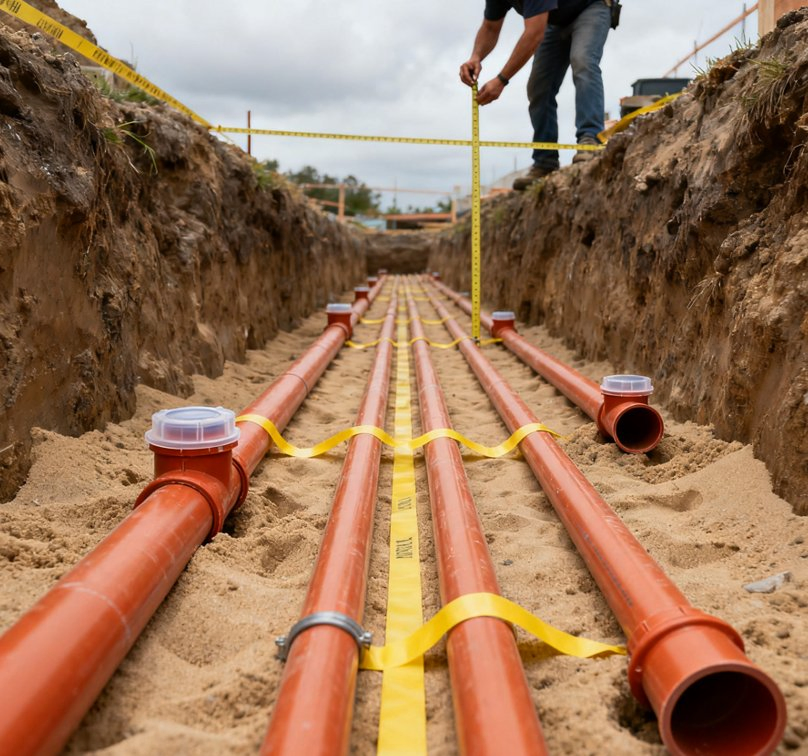
CPVC piping is used in residential and commercial buildings for hot and cold water distribution, underfloor heating, and radiant heating. In industrial sectors, it is indispensable for transporting corrosive chemicals in wastewater treatment, power generation, and chemical plants.
One of its outstanding advantages is its low thermal conductivity, which minimizes heat loss and ensures energy efficiency. Its sanitary design prevents leaching of harmful chemicals, meeting stringent standards for potable water in hospitals and schools. Additionally, its inherent vibration dampening properties create a quieter plumbing system by reducing water hammer noise.
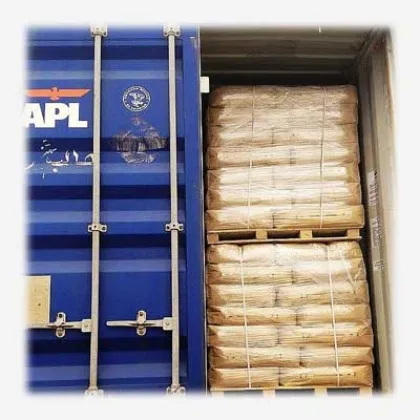
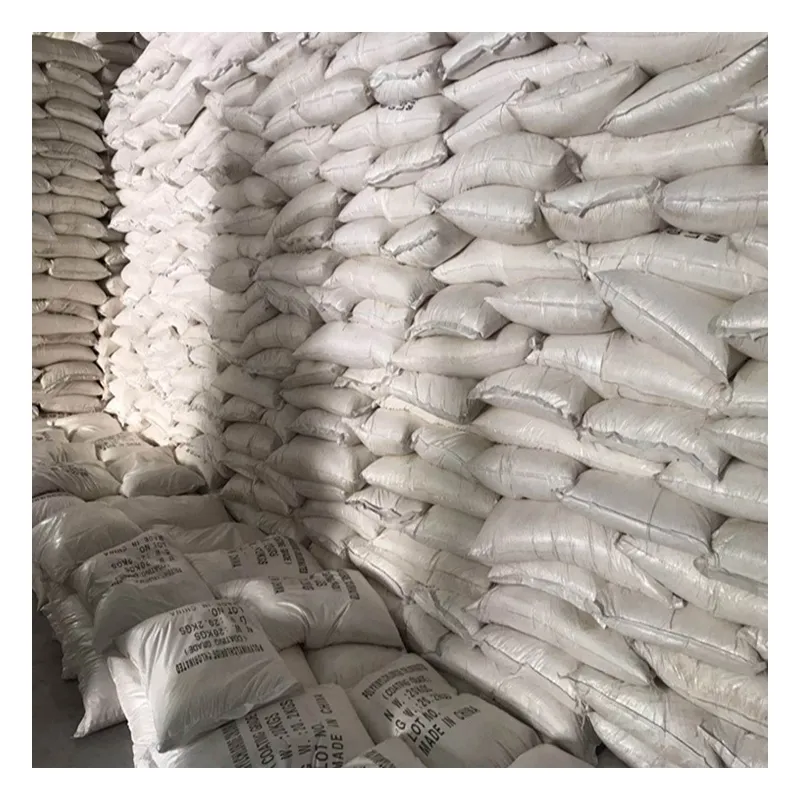
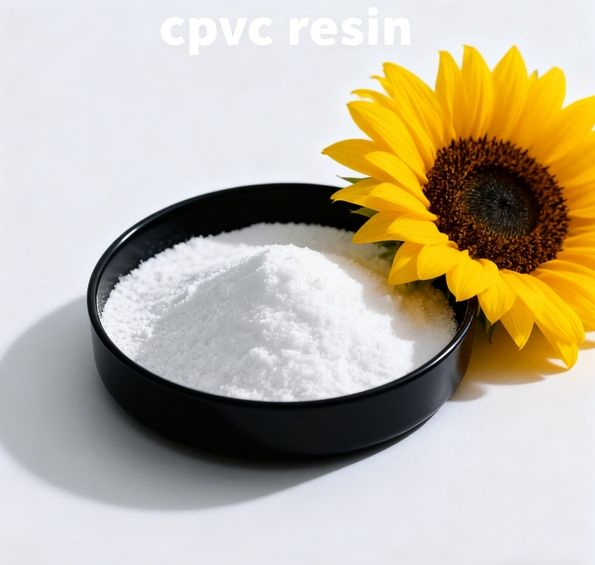
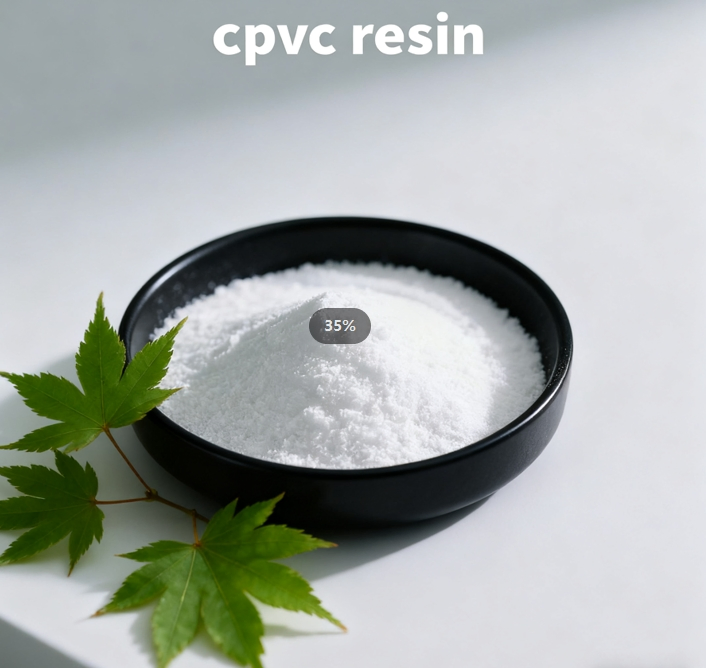
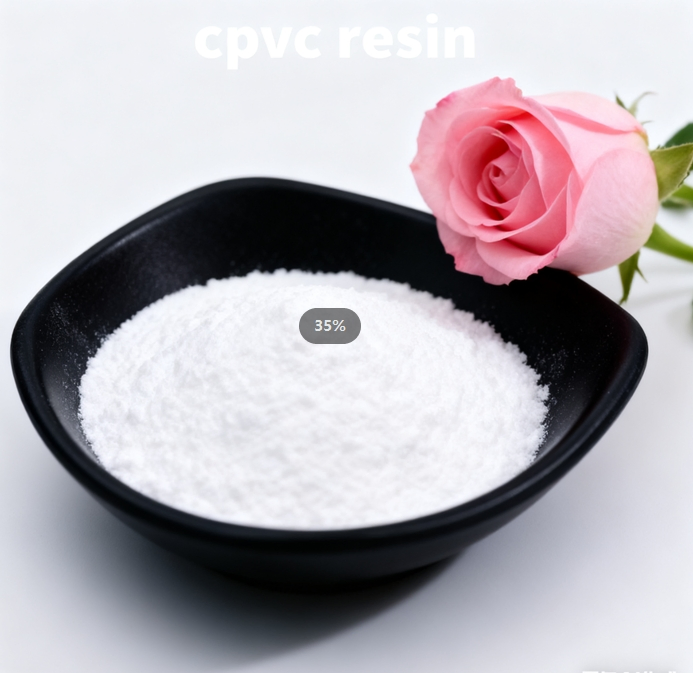
CPVC resin is commonly packaged in 25 kg polyethylene-lined bags (powder or granules). It must be stored in cool, dry environments away from direct sunlight and heat sources to maintain stability. Proper storage ensures a shelf life of up to 12 months.