Product Overview
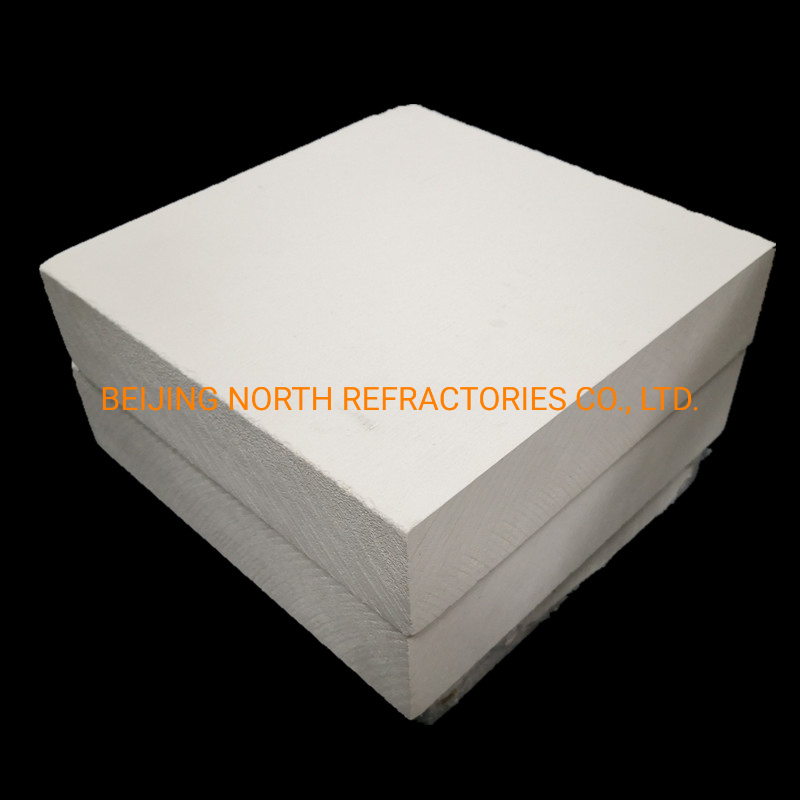
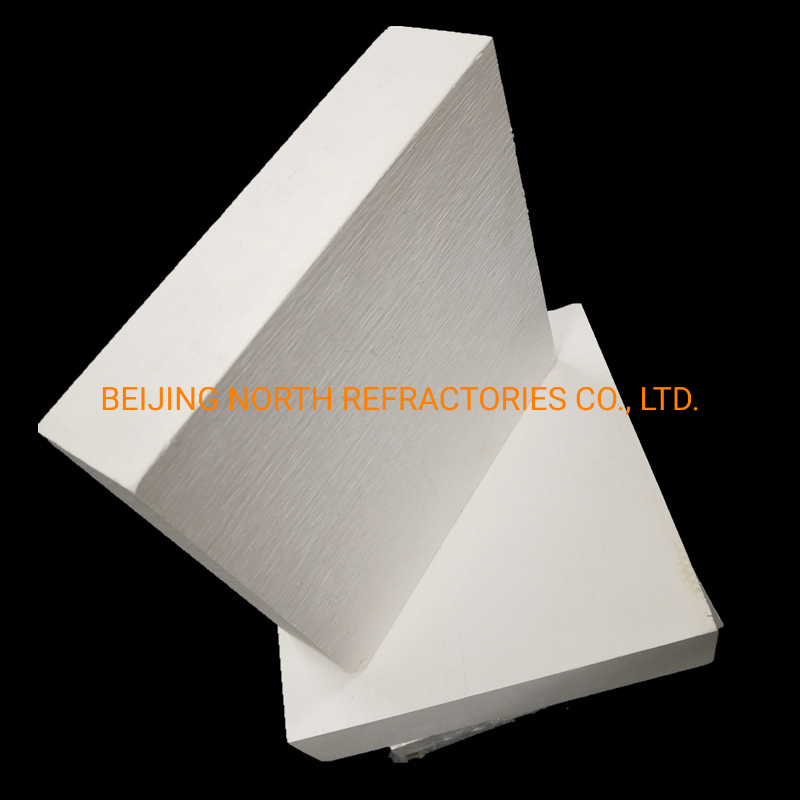
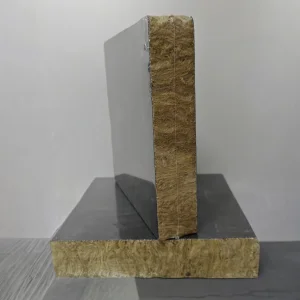
With a density range of 800-1000 kgs/m3, this high density calcium silicate insulation board is specifically developed for the non-ferrous industry. It is ideal for feeding, casting, and molding molten aluminum and other non-ferrous metals. Additionally, it serves as an excellent clamping fixture in the glass industry.
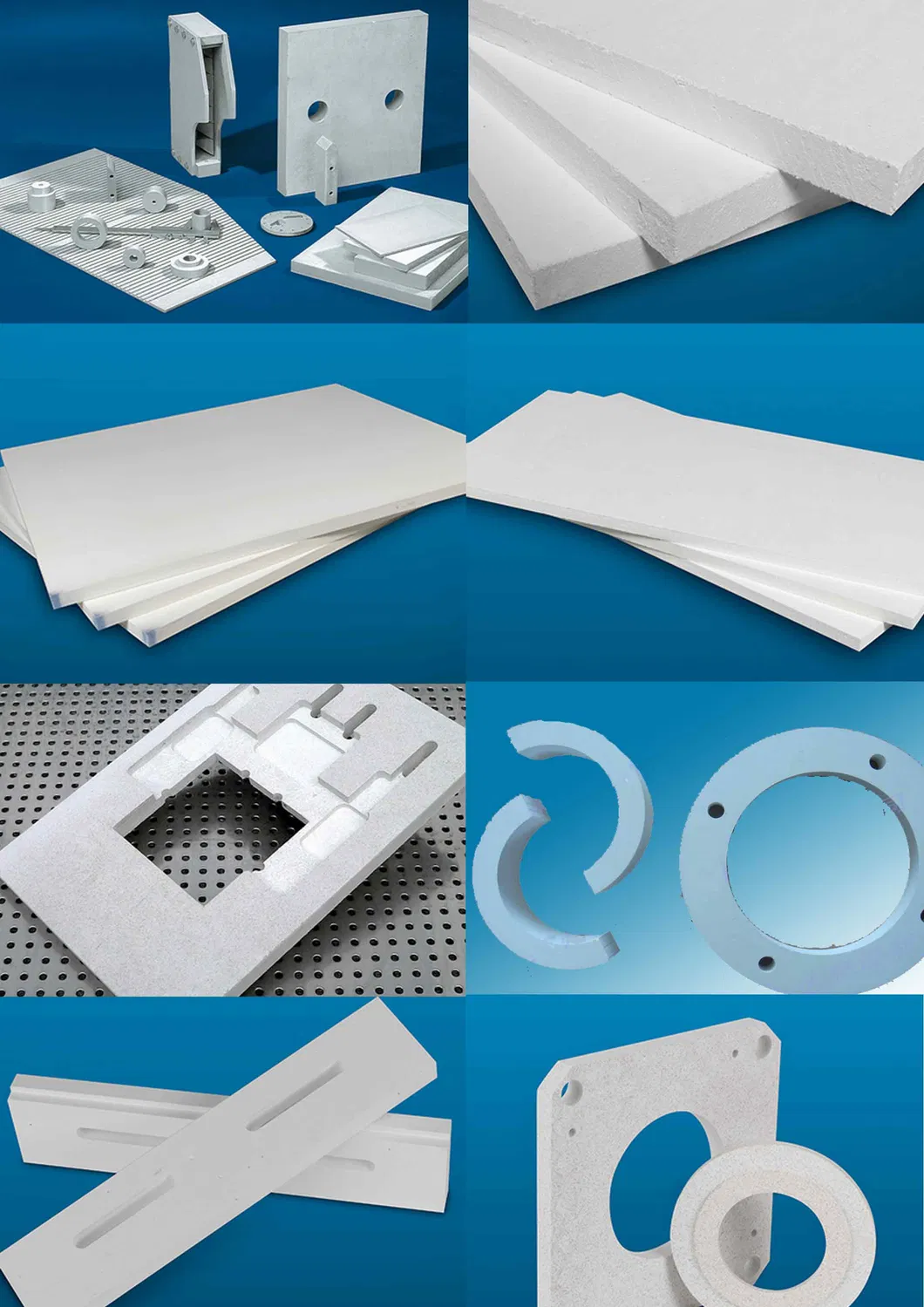
Beyond its insulation properties, its non-stick characteristic with aluminum is a significant advantage. Its superior strength and excellent processability make it the preferred material for precision CNC machined parts and complex components. We offer two specialized types: glass fiber reinforced and carbon fiber reinforced.
Technical Applications
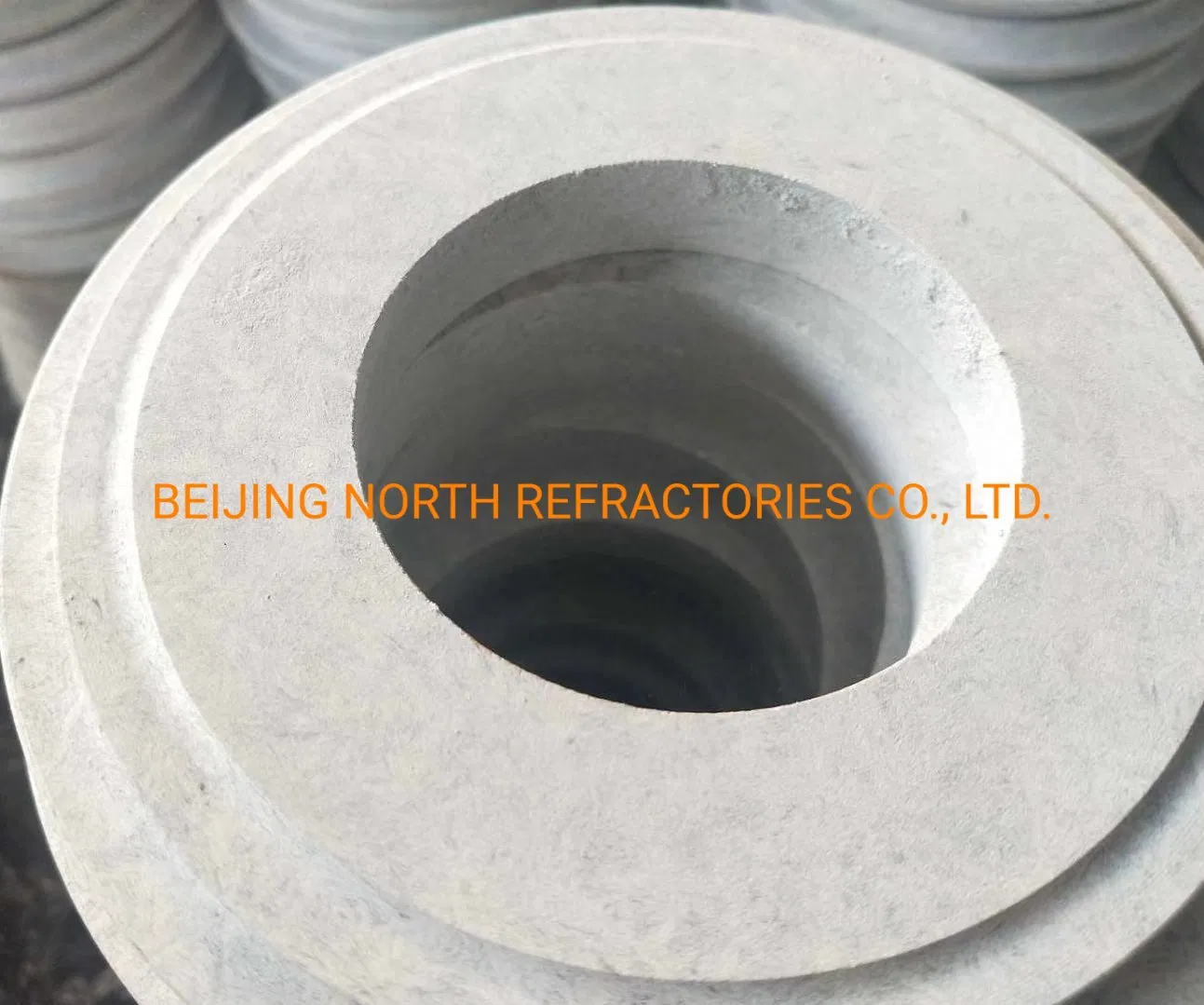
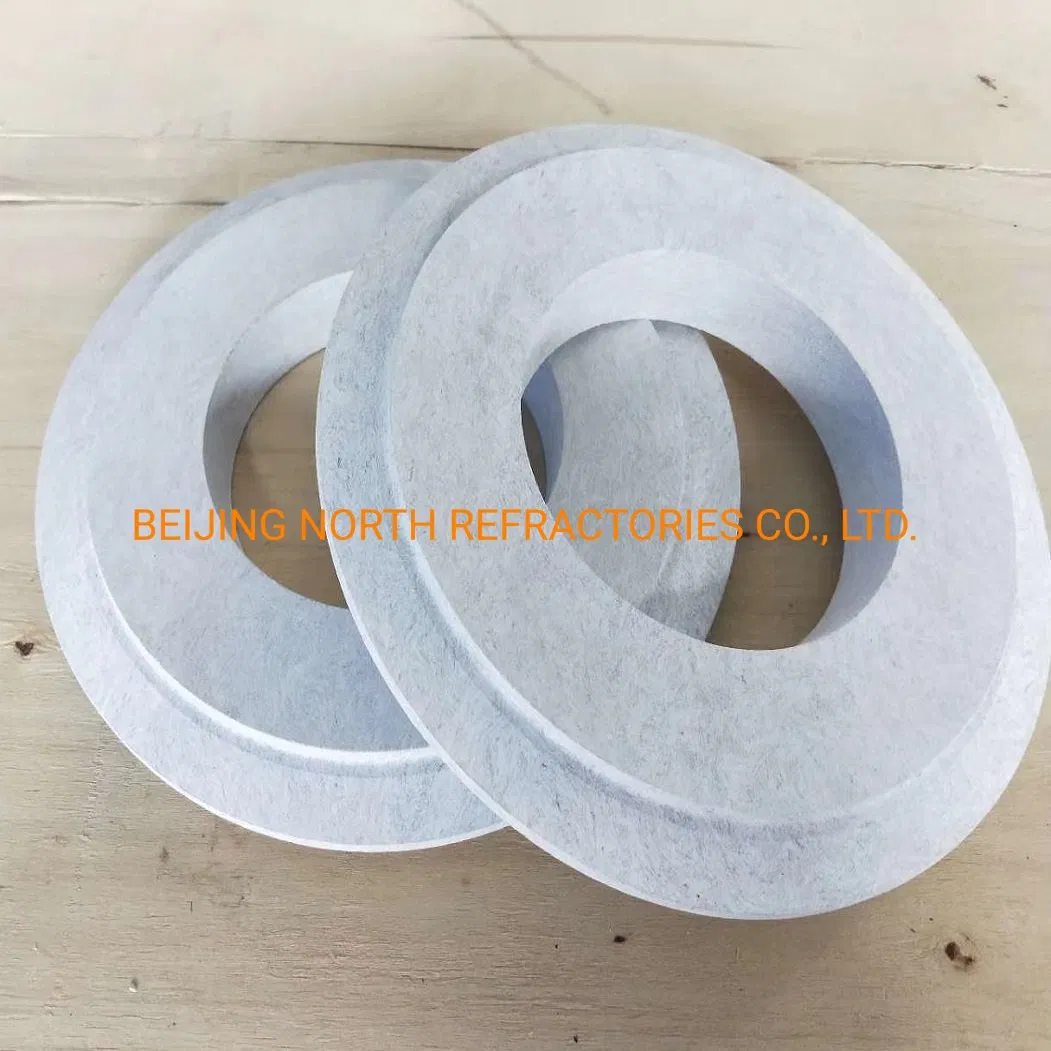
Our technical calcium silicate boards are widely utilized in billet and ingot casters as spouts, floats, trough dams, and skim dams. Due to low shrinking properties, the material is highly suitable for demanding billet casting applications.
Furnace inside lining
Continuous caster tips
Transition plates
Baffle plates
Gaskets & stoppers
Through liners
Floats & Spouts
Head box
Frequently Asked Questions
What is the density range of this insulation board?
The density ranges from 800 to 1100 kg/m³, allowing for high performance in technical ceramic applications.
What is the maximum continuous use temperature?
The boards are rated for continuous use up to 1832°F (1000°C), with some grades handling up to 1100°C.
Does the material contain asbestos or quartz?
No, our technical calcium silicate is a high-performance ceramic that is completely asbestos and quartz free.
Why is it preferred for aluminum casting?
It has unique non-wetting properties, meaning molten aluminum will not stick to the material, which extends the service life of components.
Can this material be precision machined?
Yes, it has excellent processability and can be machined to very close tolerances for CNC parts and complex industrial components.
What reinforcements are used in these boards?
There are two primary types available: glass fiber reinforced and carbon fiber reinforced, depending on the required strength and shrinkage needs.
 Homecoxa Panels