High-efficiency thermal barrier systems engineered specifically to withstand the extreme coastal heat of Massawa and Assab, as well as the high-altitude demands of Asmara.
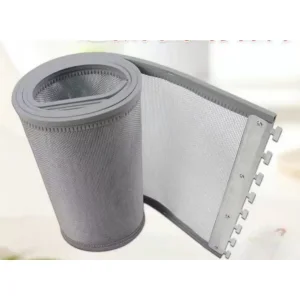
Eritrea Cold-Chain: Industrial Thermal Insulation PVC Strip Door Curtains for Dust & Thermal Control
View Specifications →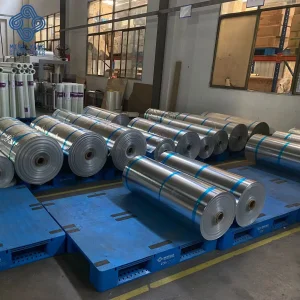
Eritrea Industrial Smelting: One Side Coated Silver Aluminum Foil Fiberglass Cloth Thermal Insulation Material
View Specifications →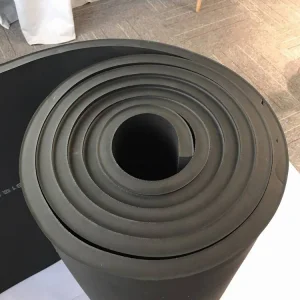
Asmara HVAC Systems: Heat Absorbing Thermal Insulation Panels Packing Material Sheet Polyethylene XPE Foam
View Specifications →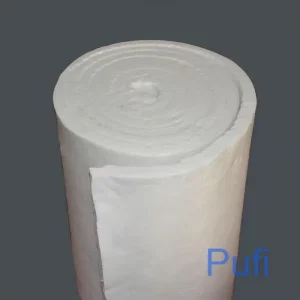
Bisha Mining Kiln: 1260 Degree Refractory Alumina Silicate Needle Ceramic Fiber Insulation Blanket
View Specifications →Understanding how climatic variations and industrial modernization shape the thermal performance requirements in East Africa.
Eritrea, situated strategically along the Horn of Africa, presents a highly diverse geographic and climatic profile. From the scorching temperatures of the Red Sea coastline (Massawa, Assab) to the cooler high-altitude regions of the Central Highlands (Asmara), structural design requires dynamic and robust engineering solutions. Industrial operations, logistics terminals, and agricultural operations are experiencing a rapid transformation, shifting the demand towards highly specialized thermal insulation materials.
In hot coastal areas, the thermal load on refrigeration infrastructure and civil structures is immense. Cold storage facilities for fisheries and food logistics require premium polyurethane (PU) and polyisocyanurate (PIR) insulated panel systems to maintain integrity and prevent thermal bridging. Conversely, in the highlands, where temperatures fluctuate between cold nights and solar-intensive afternoons, thermal insulation serves the dual purpose of passive heating retention and heat gain prevention, reducing overall energy footprints for commercial structures.
The mining sector in Eritrea—particularly gold, copper, and zinc extractions at sites like the Bisha Mine—demands high-temperature refractory linings. Furnace operations, chemical reactors, and processing plants necessitate ceramic fibers and aerogel materials capable of withstanding temperatures exceeding 1000°C. Therefore, procuring standardized, internationally certified thermal barrier materials is vital for the safety, sustainability, and longevity of Eritrea's industrial progress.
Substantially reduces mechanical cooling and heating requirements in extreme climates, lowering long-term operating costs.
Meets ASTM and international safety standards with non-combustible materials designed for heavy-duty industrial processing plants.
Designed for easy transport and rapid modular installation, minimizing construction cycles in remote East African regions.
Decarbonization, structural optimization, and the shift towards nanotechnology in modern building envelopes.
The global construction industry is shifting rapidly toward carbon neutrality and high efficiency. Building envelopes are no longer considered simple physical barriers; they are highly engineered thermal management systems. Globally, strict environmental regulations such as the EU's Green Deal and ASHRAE standards in the United States drive the installation of high R-value materials like vacuum insulation panels (VIP), silica aerogels, and continuous high-density PIR core sandwich panels.
One major trend is the development of multi-layered thermal defense assemblies. By combining radiative barriers (like highly reflective aluminum foils) with conductive barriers (such as rockwool, ceramic fibers, or XPE foam), engineers achieve optimal thermal envelopes. Reflective foils block up to 97% of radiant heat transfer, making them exceptionally valuable in solar-intense tropical zones like the Eritrean coastline. For structural application, modern insulated sandwich panels consolidate structural loading, wind load resistance, and thermal optimization into a single, pre-fabricated package.
Bridging the gap between strict quality control, large-scale output, and custom engineering.
As globally integrated supply chains evolve, sourcing thermal insulation from industry-leading Chinese factories offers clear technical and financial advantages. Companies like Dongguan Homecoxa Panels Co., Ltd. represent the cutting-edge of thermal panel manufacturing. Through continuous double-belt automated production systems, raw components are converted into certified insulated panels with extreme structural consistency, minimal cell deformation, and excellent flame retardance.
Key advantages of sourcing from Chinese facilities include:
A professional insulated sandwich panel manufacturer specializing in roofing, wall, and cold storage solutions.
Dongguan Homecoxa Panels Co., Ltd. is a professional insulated sandwich panel manufacturer specializing in roofing, wall, and cold storage solutions. With years of industry experience, the company is dedicated to providing high-performance building materials that meet the evolving demands of modern construction and cold chain infrastructure.
Homecoxa focuses on the research, development, and production of a wide range of insulated panel systems, including roof sandwich panels, wall panels, cold storage panels, and interior partition and ceiling solutions. All products are manufactured using advanced production lines and high-quality raw materials, ensuring excellent thermal insulation, fire resistance, durability, and structural stability. These panels are widely used in industrial plants, warehouses, cold storage facilities, cleanrooms, commercial buildings, and agricultural projects.
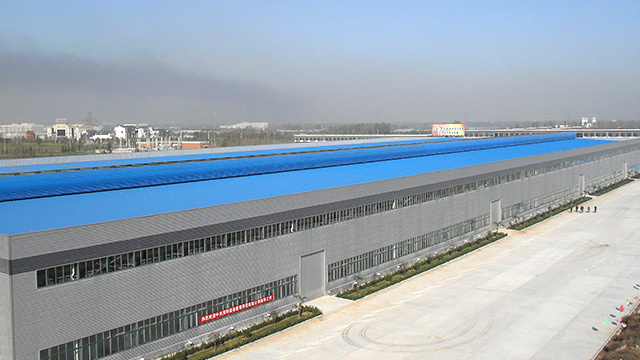
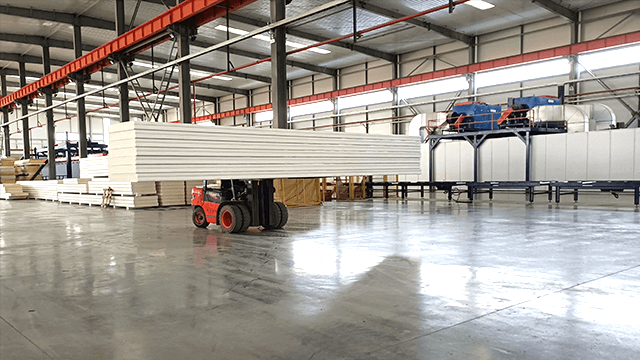
Driven by innovation and quality, Dongguan Homecoxa Panels Co., Ltd. continuously improves its manufacturing processes and product performance to enhance energy efficiency and reduce construction time. The company also offers customized solutions based on specific project requirements, including panel thickness, core materials, and surface finishes.
With a commitment to quality, reliability, and customer satisfaction, Homecoxa has established strong partnerships with clients across global markets. The company strives to deliver sustainable, cost-effective, and easy-to-install panel solutions, supporting customers in building efficient, durable, and environmentally friendly structures worldwide.
From silica aerogels to reflective foils and high-density rockwool sheets. Explore our full catalog built for Eritrea's diverse structural landscape.
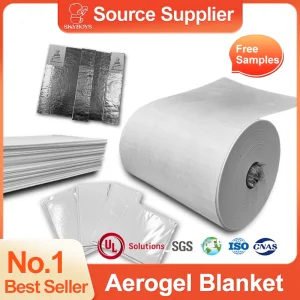
Eritrea Refining Plant: Fireproof Thermal Insulating Silica Nano Ceramic Fiber Aerogel Felt Blanket
Product Details →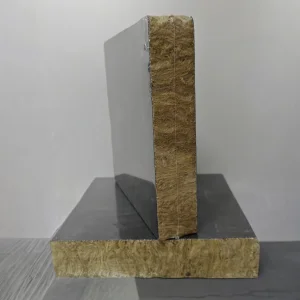
Asmara Standard: ASTM Grade Fireproof Rockwool Sheet 100kg/M3 for Wall/Roof Insulation
Product Details →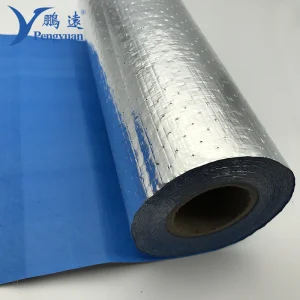
Massawa Port Warehouse: Roof Sarking Aluminum Foil Woven Fabric Heat Thermal Insulation
Product Details →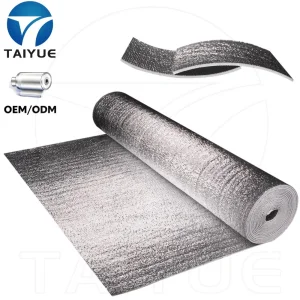
Eritrea Residential Units: Factory Customized EPE Foam Insulation Aluminium Foil
Product Details →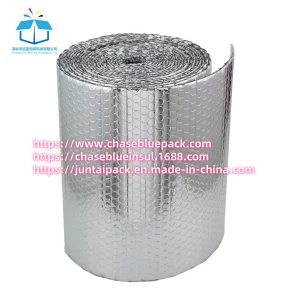
Eritrea Multi-Layer Systems: Reflective Aluminum Foil Bubble Sound / Heat Insulation Material
Product Details →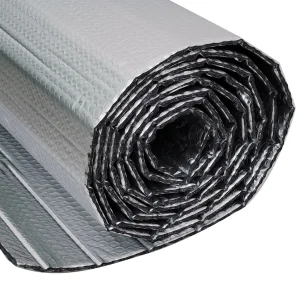
Asmara Automotive/Roof: Cool Shield Poly Pet Aluminum Foil Bubble Thermal Insulation
Product Details →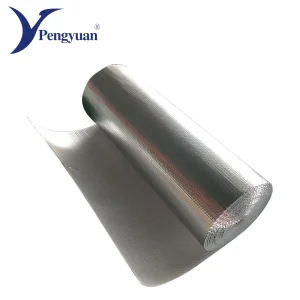
Assab Marine Cold Storage: Moisture-Proof High Reflective Aluminum Foil Bubble Insulation
Product Details →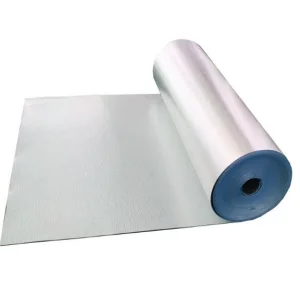
Asmara Housing Dev: Aislante Heat Barrier Aluminum Foil EPE / XPE Foam Roof Heat Insulation
Product Details →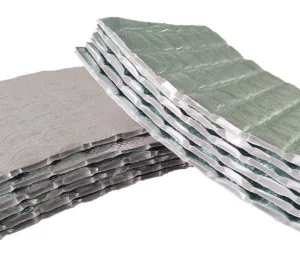
Eritrea Commercial Sheds: Fireproof Woven Fabric Bubble Aluminum Foil Wrap Insulation
Product Details →
Eritrea Smelting & Kiln: Refractory Ceramic Fiber Blanket for Industrial Furnace
Product Details →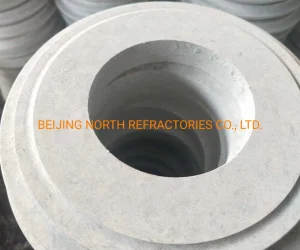
Bisha Mining Structural: Carbon Fiber Reinforced High Density Fireproof Thermal Board
Product Details →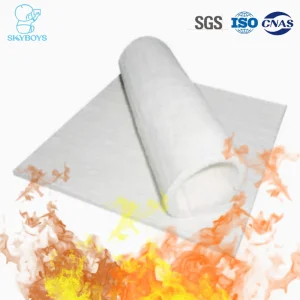
High-End Precision: Thin 1mm Ceramic Silica Aerogel Blanket Fireproof Thermal Insulation
Product Details →Proven performance configurations across agricultural processing, mining operations, and commercial storage hubs.
The coastal cities of Eritrea experience ambient temperatures regularly peaking above 40°C in the summer. Fisheries, agricultural exports, and pharmaceutical imports depend heavily on unbroken cold storage environments. For these facilities, standard structural cladding is insufficient. Designers apply double-jointed, high-thickness PU/PIR sandwich panels to achieve optimal airtightness and structural resistance to corrosive sea spray. Integrating industrial PVC strip door curtains minimizes thermal intrusion during intensive loading cycles, preserving internal temperatures and cutting mechanical cooling power demands by up to 35%.
At 2,325 meters above sea level, Asmara presents a distinct climate marked by cool evenings and high-UV solar radiation during the day. In this context, building facades and roofs require insulation materials that manage massive diurnal temperature fluctuations. The application of XPE foam panels and reflective double-sided aluminum foil bubble insulation under roofing systems prevents heavy radiative heating during peak hours while capturing interior warmth during night hours. This dual-action passive insulation eliminates the need for expensive high-capacity HVAC configurations.
Refinery kilns, steam pipes, and chemical smelters at remote mining facilities operate under intense thermodynamic pressure. For these projects, refractory silica needle ceramic blankets and high-density alumina-silicate fiber materials are critical safety assets. Capable of maintaining physical integrity at temperatures reaching 1260°C, these materials prevent heat dissipation, protect workers, and limit thermal stress on the heavy metal casings of industrial machinery.
Crucial factors for international procurement departments when purchasing thermal insulation systems.
When selecting insulation materials for procurement projects within Eritrea, engineering teams and project managers should carefully analyze the following criteria to ensure structural longevity and regulatory compliance:
Technical answers to key structural, thermal, and logistical inquiries regarding insulation products in Eritrea.
For cold storage projects in high-temperature coastal zones like Massawa, Polyisocyanurate (PIR) and Polyurethane (PU) sandwich panels are the industry standard. Their high R-value per inch, closed-cell cell structure, and moisture resistance prevent thermal bridging and minimize energy losses.
Reflective aluminum foil insulation works as an effective radiant barrier. Instead of absorbing heat like typical bulk insulation, it reflects up to 97% of radiant heat back toward the source. This is exceptionally efficient for metal roofing designs in high-solar zones.
Our structural panels and refractory materials (like ceramic fibers and rockwool sheets) are engineered to meet global fire safety classifications, including ASTM Grade Class A and EN 13501-1 standards, ensuring maximum fire safety for industrial and civil structures.
Yes. We specialize in producing custom panel lengths, core thicknesses (ranging from 50mm to 200mm+), and core density options. This customized approach ensures rapid transport and minimal cuts during assembly on-site.
Depending on volume and level of customization, standard manufacturing timelines vary from 14 to 21 days. Shipping to the Port of Massawa is handled via container logistics, with panels packed in protective plastic wrapping to avoid transport damage.
Connect directly with our engineering team. We offer detailed architectural layout drawings, precise thermal calculations, and factory-direct shipping to Massawa, Asmara, and beyond.
Send Inquiry Now Homecoxa Panels