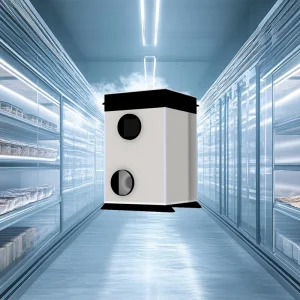
As global temperatures shift, establishing high-integrity thermal containment is a necessity. For the Republic of Kiribati—a nation of 33 low-lying atolls spanning 3.5 million square kilometers of the central Pacific Ocean—the challenges of logistics, food preservation, and medical storage are unique. Extreme relative humidity (often exceeding 85%), high ambient temperatures averaging 31°C, and a hyper-saline marine environment cause standard structural materials to fail within months.
Dongguan Homecoxa Panels Co., Ltd. steps in to address these challenges. As a premier manufacturer of thermal insulation systems, we engineer and export high-performance polyurethane (PU) and polyisocyanurate (PIR) insulated sandwich panels specifically configured to survive the corrosive, high-moisture realities of equatorial Pacific nations. From municipal fisheries preservation in Betio to pharmaceutical safeguarding at Tungaru Central Hospital, our solutions are built to last.
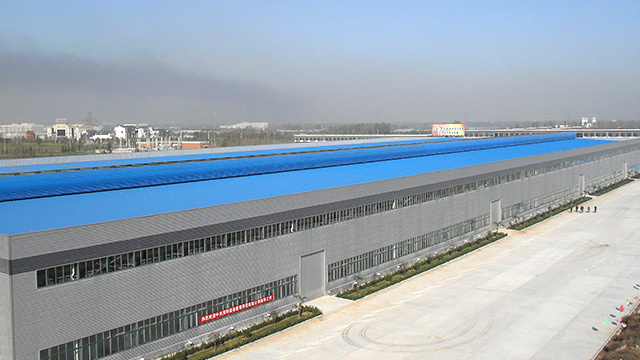
Explore our primary line of advanced insulated components optimized for immediate thermal regulation deployment across South Tarawa and the Outer Islands.
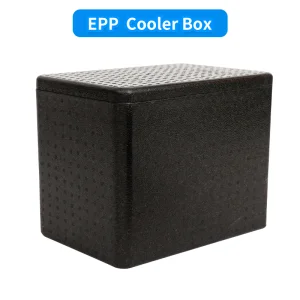
Modern global logistics networks rely on temperature continuity. In developed markets, standard warehouse constructions assume stable local grids and accessible spare-parts supply lines. However, in small island developing states (SIDS) like Kiribati, these assumptions don't hold up. Energy production relies heavily on imported fossil fuels, driving electrical tariffs to some of the highest rates in the Pacific region. Consequently, any thermal transfer through building envelopes leads directly to high operating costs.
To establish economic viability, local operations must prioritize thermal efficiency. The structural R-values (thermal resistance) of wall and ceiling cladding must be maximized. Dongguan Homecoxa Panels manufactures high-performance insulated sandwich panels designed to meet these needs, utilizing high-density, closed-cell polyisocyanurate (PIR) cores. Compared to traditional expanded polystyrene (EPS) panels, which are prone to moisture absorption and structural deterioration over time, our PIR formulation offers superior structural strength, low thermal conductivity, and fire-resistant performance.
| Insulation Core Type | Thermal Conductivity (W/m·K) | Moisture Absorption Rate (%) | Fire Classification (EN 13501-1) | Ideal Remote Island Application |
|---|---|---|---|---|
| Homecoxa High-Density PIR | 0.020 - 0.022 | < 1.0% (Closed-Cell) | Class B-s1, d0 (Flame Retardant) | High salinity, high humidity fisheries & marine warehouses |
| Standard Polyurethane (PUR) | 0.023 - 0.025 | < 2.0% | Class B-s2, d0 / Class C | Commercial refrigeration and standard walk-in freezers |
| Expanded Polystyrene (EPS) | 0.034 - 0.038 | Up to 4.0% (Open structure) | Class E (Highly Flammable) | Temporary structures (Not recommended for humid marine zones) |
| Mineral Rockwool | 0.035 - 0.040 | Highly Hydrophilic (Fails in humidity) | Class A1 (Non-combustible) | High fire-risk dry zones (Poor thermal insulation for cold rooms) |
By implementing Homecoxa's continuous double-belt production line technologies, we ensure that every panel exported to Tarawa has a uniform density of 40-42 kg/m³. This prevents the internal air pockets common in manually poured panels, which can lead to localized condensation and structural failure under the hot Kiribati sun.
Standard zinc coatings on steel panels degrade quickly when exposed to salt-laden trade winds. This leads to rust, structural weakening, and food safety issues. To counter this, Homecoxa offers customized pre-painted steel skins that provide long-term protection.
Our exterior panels feature Fluoropolymer (PVDF) or High-Durability Polyester (HDP) coatings. These options offer excellent resistance to UV radiation and salt spray, outperforming standard PE coatings in harsh coastal settings.
Moisture ingress is a primary challenge in high-humidity areas. Our panels use a precise tongue-and-groove joint profile with integrated sealant channels, preventing warm, humid air from bypassing the thermal barrier.
We use eco-friendly pentane-blowing agents in our production. This aligns with Kiribati's national environmental initiatives and supports global efforts against climate change.
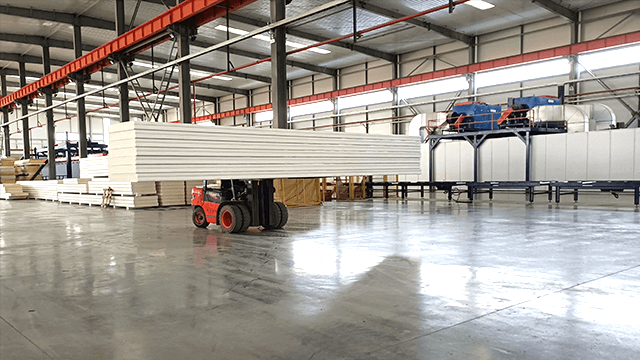
Our extended product line includes durable commercial freezer components, walk-in cold rooms, and climate-controlled storage setups designed for reliable long-term performance.
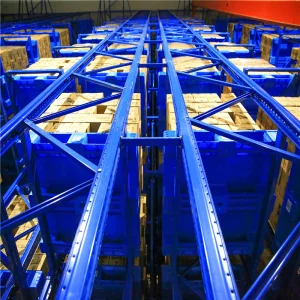
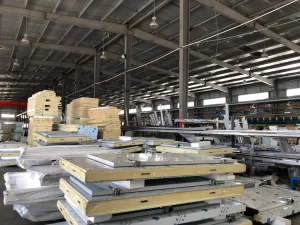
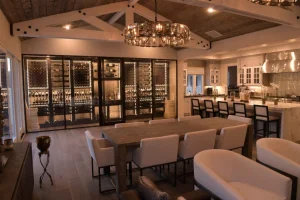
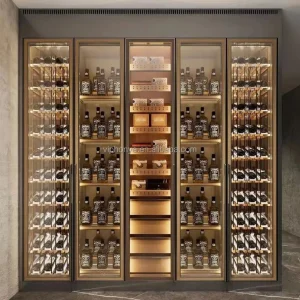
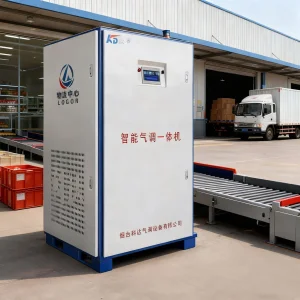
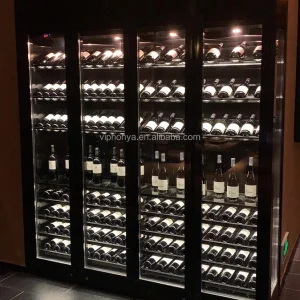
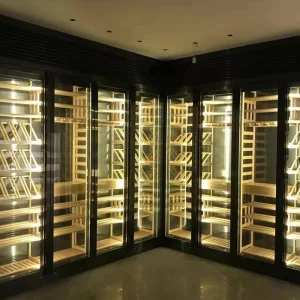
Protecting critical pharmaceutical shipments, veterinary vaccines, and luxury hospitality assets across the Pacific with specialized thermal solutions.
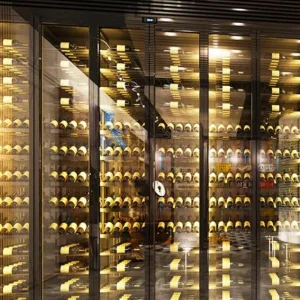
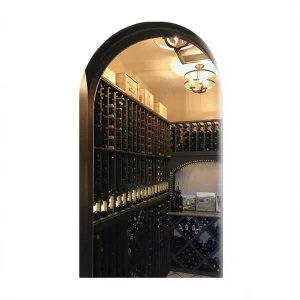
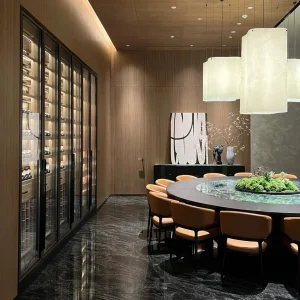
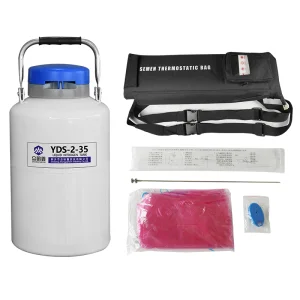
Homecoxa designs and supplies structural solutions customized for specific applications in Kiribati's public and private sectors.
The fisheries sector is central to Kiribati's economy. Tuna and reef fish caught in the exclusive economic zone require immediate processing and freezing to meet strict HACCP and European Union export standards. Our high-density PIR panels are used to construct blast freezers (operating at -35°C to -40°C) and holding rooms (operating at -20°C to -25°C). By selecting 150mm to 200mm thick panels with PVDF skin options, facility operators can maintain stable internal temperatures while reducing compressor runtimes and lowering fuel consumption.
Distributing vaccines and life-saving medicines across distant atolls requires a reliable cold chain. Homecoxa supplies customized cold rooms and mobile thermostatic equipment to support pharmaceutical logistics. These systems help prevent temperature excursions, ensuring medical supplies remain effective throughout transit and storage.
Imported vegetables, dairy, and meat arriving by container ship at Betio Port need efficient transfer to temperature-controlled storage. Homecoxa's modular cold room designs allow for quick assembly. The tight interlocking joints help keep dust and moisture out, reducing ice buildup on evaporator coils and optimizing system performance.
Shipping building materials to remote locations like South Tarawa or Kiritimati Island requires careful preparation. Sea container transit involves exposure to salt spray, humidity, and physical handling at transshipment hubs. Homecoxa applies strict packaging standards to ensure all panels arrive in good condition.
Each shipment is wrapped in protective plastic film, edge-protected with reinforced corner guards, and packed onto heavy-duty pallets. This minimizes the risk of damage during unloading at local ports.
Our engineering team designs sandwich panels to meet international building regulations, factoring in wind load and structural requirements for equatorial and cyclone-prone areas. Homecoxa panels comply with several key standards:
Improving energy efficiency and system durability through updated material standards and technological integration.
The next generation of cold chain facilities in the Pacific will rely heavily on renewable energy. Integrating solar power with insulated building envelopes helps operators reduce their reliance on diesel generators, lowering operating costs and minimizing environmental impact.
By pairing high-efficiency thermal panels with solar arrays, facilities can achieve net-zero power draw during daylight hours. High thermal retention panels help maintain stable internal temperatures overnight, protecting stored goods even during power outages.
Dongguan Homecoxa Panels is committed to supporting these developments. We focus on manufacturing reliable, easy-to-install, and energy-efficient insulated panel systems for projects worldwide.
Answers to common engineering and shipping questions from contractors and distributors in the Pacific region.
Get in touch with our engineering team for customized panel layouts, structural calculations, and current export pricing to Kiribati.
 Homecoxa Panels