Pioneering composite insulation systems tailored for structural integrity, sound dampening, and rapid modular installation in the reconstruction projects of Damascus and regionwide.

Analyzing structural demand, local sound mitigation regulations, and environmental constraints within Syria's capital city.
As Damascus undergoes critical structural modernization and urban rehabilitation, the intersection of thermal efficiency and noise control has emerged as a cornerstone of modern building specifications. High-density residential zones, historical conservation districts like the Old City, and bustling commercial strips in Mezzeh and Kafarsouseh require innovative acoustic materials. Heavy vehicular traffic and localized power generation create acoustic pollution, necessitating high-STC (Sound Transmission Class) partitions in both residential builds and administrative complexes.
Furthermore, the Syrian climate, characterized by scorching summers and dry winters, dictates that soundproofing cannot exist in a vacuum. Materials must offer dual-functional performance—coupling acoustic isolation with high thermal resistance (low thermal conductivity or U-values). This reduces energy consumption from HVAC systems, providing long-term operational cost savings for local business centers and residential blocks.
The strategic deployment of soundproofing and insulated panels is heavily integrated with Damascus' nearby industrial powerhouse: Adra Industrial City. Local constructors, civil developers, and engineering firms seek reliable international supply lines to source fireproof rock wool, high-density glass wool, and insulated sandwich panels. By establishing direct factory-to-project channels with top-tier global manufacturers like Dongguan Homecoxa Panels Co., Ltd., Damascus builders can bypass intermediary delays, ensuring that imported building components comply with ASTM, ISO, and EN fire-rating standards.
Decarbonization, composite technologies, and rigorous multi-functional structural demands shaping global architecture.
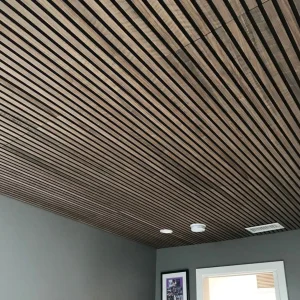
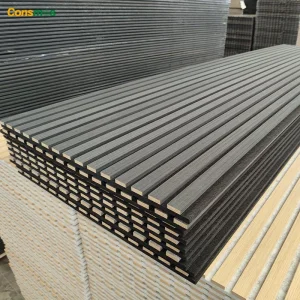
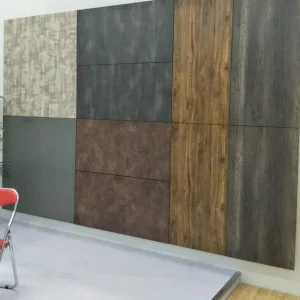
Modern developers prioritize products manufactured from recycled glass, natural wood veneers, or bio-based binders. Slat wood panels and natural oak acoustic boards are highly sought after to achieve international green certifications (such as LEED or BREEAM) while providing sophisticated interior aesthetics.
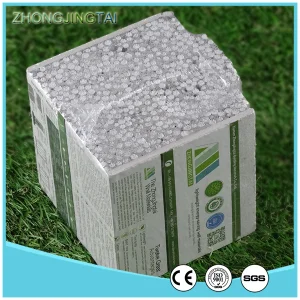
The industry is transitioning from single-layer insulating boards to multi-layered, structural insulated panels (SIPs). These integrate EPS (expanded polystyrene), rock wool, or polyurethane cores with protective faceplates (fiber cement, GRC, or steel sheeting) to deliver load-bearing capacity alongside acoustic isolation.
Regulatory frameworks globally enforce strict Sound Transmission Class (STC) ratings for residential and commercial partitions. For instance, multi-family high-rises must target a minimum STC rating of 50 to ensure adequate acoustic privacy between separate living quarters.
Understanding sound attenuation, decoupling, absorption, and structural density configurations.
Acoustic insulation relies on two primary mechanics: Sound Absorption and Sound Transmission Loss (Isolation). Open-cell structures like rock wool, glass wool, and ceramic fibers absorb airborne sound waves by converting mechanical energy into heat via friction inside their porous networks. On the other hand, dense panels (like GRC or fiber cement boards) act as reflective and massive barriers that block transmission.
| Material Type | Acoustic Function | Typical Density Range | Primary Application Area | Core Advantage |
|---|---|---|---|---|
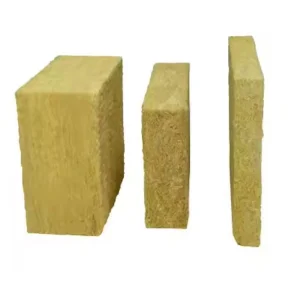
| Rock Wool Insulation Board | High absorption & heat blockage | 60 - 150 kg/m³ | Industrial partitions, heavy machinery zones | Excellent fire-resistance, dimensional stability |
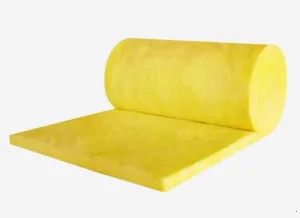
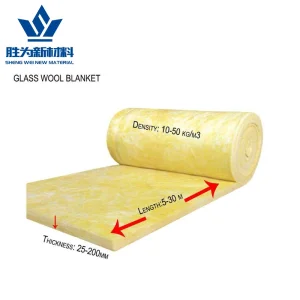
| Glass Wool Roll | Medium absorption, light weight | 12 - 48 kg/m³ | Drywall cavities, suspended ceilings | Highly compressible, easy installation |
| Glass Reinforced Concrete (GRC) | High transmission loss (blocking) | 1800 - 2100 kg/m³ | Exterior facades, commercial cladding | High structural strength, weatherproof |
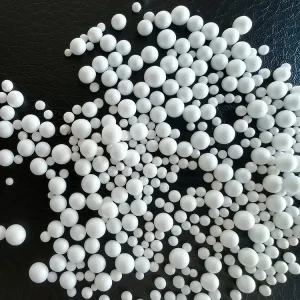
| EPS Sandwich Panels | Structural barrier & thermal core | 12 - 20 kg/m³ (Core) | Prefabricated warehousing, cold storage | Fast construction, rigid structural form |
| Aerogel Blanket | High-performance sound & thermal thin barrier | 150 - 200 kg/m³ | High-end facades, tight mechanical spaces | Ultra-thin profile, hydrophobic properties |
Rigidly joined walls transmit sound readily through structural vibration. By introducing a resilient decoupling layer (such as resilient channels, double stud walls, or specialized acoustic rock wool infills), sound energy is disrupted, preventing vibration transfer from one face of the wall assembly to the other.
For optimal acoustic control in residential partitions, architects use a system of outer mass layers (fiber cement board or GRC) combined with an elastic insulation core (glass wool or rock wool). This creates a spring-damping system that significantly dampens mid-to-high frequency noises.
Real-world deployment scenarios designed for Syrian environmental conditions and building practices.
Location: Mezzeh Commercial Strip & Damascus Downtown Office towers.
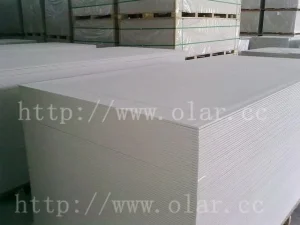
Scenario: Installing high-performance interior wall partitions using Fiber Cement Drywall Systems and Natural Oak Veneer Acoustic Panels. This controls echo inside conference rooms and prevents sound transmission between office spaces.
Location: Factories and warehouses in Adra Industrial District.
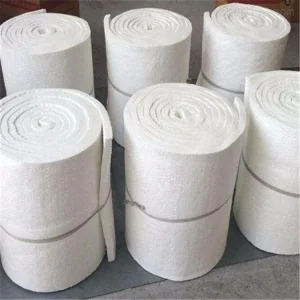
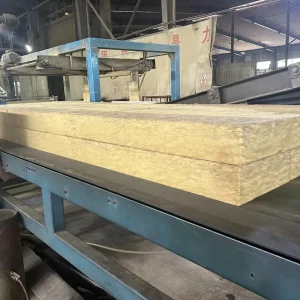
Scenario: Lining high-temperature machinery enclosures and structural framing with dense Rock Wool Boards and Ceramic Fiber Products to limit noise exposure for workers and prevent heat transfer.
Location: Suburban expansion zones (e.g., Harasta, Douma).
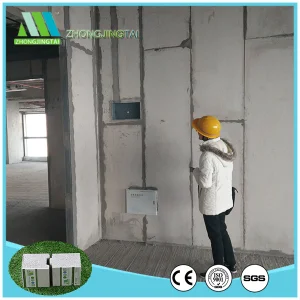
Scenario: Designing prefabricated housing blocks using Lightweight EPS Sandwich Panels. This allows developers to deploy thermal-insulated and soundproofed residential spaces quickly, accelerating community rebuilding efforts.
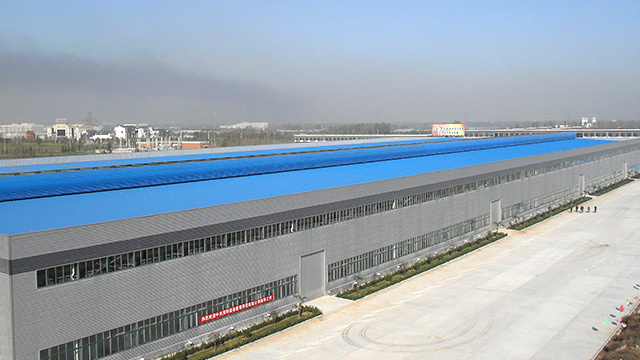
Dongguan Homecoxa Panels Co., Ltd. is a professional insulated sandwich panel manufacturer specializing in roofing, wall, and cold storage solutions. With years of industry experience, the company is dedicated to providing high-performance building materials that meet the evolving demands of modern construction and cold chain infrastructure.
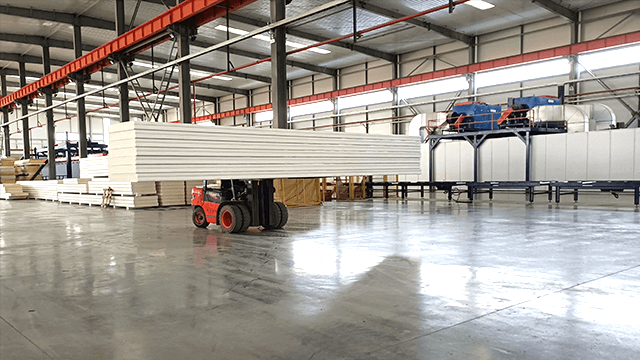
Homecoxa focuses on the research, development, and production of a wide range of insulated panel systems, including roof sandwich panels, wall panels, cold storage panels, and interior partition and ceiling solutions. All products are manufactured using advanced production lines and high-quality raw materials, ensuring excellent thermal insulation, fire resistance, durability, and structural stability. These panels are widely used in industrial plants, warehouses, cold storage facilities, cleanrooms, commercial buildings, and agricultural projects.
Driven by innovation and quality, Dongguan Homecoxa Panels Co., Ltd. continuously improves its manufacturing processes and product performance to enhance energy efficiency and reduce construction time. The company also offers customized solutions based on specific project requirements, including panel thickness, core materials, and surface finishes.
With a commitment to quality, reliability, and customer satisfaction, Homecoxa has established strong partnerships with clients across global markets. The company strives to deliver sustainable, cost-effective, and easy-to-install panel solutions, supporting customers in building efficient, durable, and environmentally friendly structures worldwide.
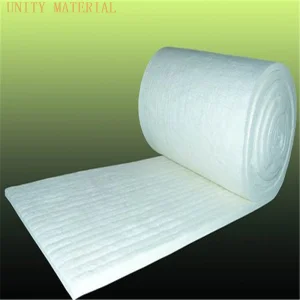
Examine our full selection of high-spec boards, rolls, panels, and sound dampening wraps optimized for Damascus industrial and commercial applications.
How advanced manufacturing processes are adapting to urban density, acoustic demands, and environmental sustainability.
Upcoming lines of structural sandwich panels will incorporate micro-encapsulated Phase Change Materials. These compounds absorb and release thermal energy during state transitions, dampening interior ambient temperature swings while reinforcing high-density acoustic barriers. This dual system offers high performance for climates with large temperature shifts, like Damascus.
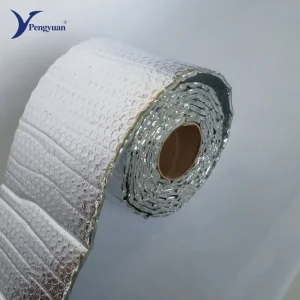
For applications where space is at a premium, silica-aerogel blankets provide industry-leading insulation in thin profiles. This allows builders to design wall systems that save interior space while meeting or exceeding local structural STC regulations.
Addressing technical, structural, and logistical questions for developers in Damascus and the Middle East.
We coordinate container shipping through major trade lanes in the region. Most bulk orders are shipped to main ports like Lattakia or Tartous, where customs clearing agents facilitate direct overland transport to Damascus, including the Adra Industrial Zone.
High-density Rock Wool Insulation Boards and EPS Sandwich Panels are the most efficient options. Rock Wool features a dense, fibrous structure that blocks acoustic energy and resists heat transmission. Similarly, our sandwich panels provide a continuous thermal barrier with core configurations designed to reduce noise.
Yes. We offer fully customizable manufacturing. Customers can specify panel thicknesses from 50mm to 200mm and choose rock wool or EPS densities to align with the STC requirements and structural engineering specs of their project.
Our materials are manufactured to meet high international standards, including Class A fire ratings. Rock wool and ceramic fiber products provide excellent fire resistance, maintaining structural integrity and blocking flame spread under high temperatures.
Yes. For historical restorations, custom-designed GRC (Glass Reinforced Concrete) and thin hydrophobic Aerogel Blankets are ideal. They preserve structural character while adding modern acoustic damping and moisture protection without adding excess bulk to existing walls.
 Homecoxa Panels