Discover our elite range of structural panels, insulation cores, and architectural systems certified to rigorous CE standards for performance, safety, and energy efficiency.
Modern building designs face an unprecedented pressure to optimize envelope insulation performance. Propelled by stringent greenhouse gas emission policies, rising heating/cooling costs, and urban climate mitigation initiatives, global sectors demand engineered solutions that offer precise thermodynamic regulation. Under European Union (EU) regulations, building components must comply with low U-value (thermal transmittance) constraints to prevent unnecessary structural heat dissipation.
The global thermal insulation materials market was valued at USD 28.5 Billion in 2023 and is anticipated to achieve a compound annual growth rate (CAGR) of 6.2% through 2030. The structural shift toward CE-certified systems represents a fundamental transition from simple building materials to engineered thermodynamic barriers that minimize structural thermal bridging and resist combustion.
Thermal management materials serve as the primary containment vector within industrial facilities, data centers, hyper-scale cold store facilities, and pharmaceutical manufacturing warehouses. These locations are subjected to extreme temperature differences that necessitate insulation capable of enduring compressive forces while remaining impervious to dampness, air infiltration, and decay.
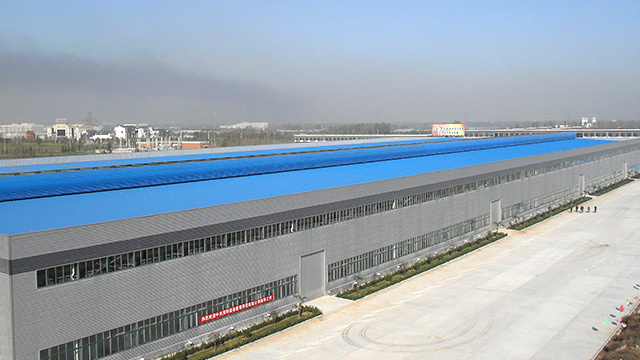
Dongguan Homecoxa Panels Co., Ltd. is a professional insulated sandwich panel manufacturer specializing in roofing, wall, and cold storage solutions. With years of industry experience, the company is dedicated to providing high-performance building materials that meet the evolving demands of modern construction and cold chain infrastructure.
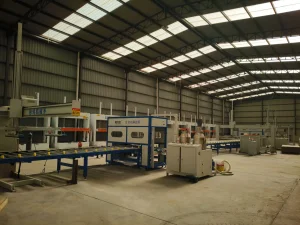
Homecoxa focuses on the research, development, and production of a wide range of insulated panel systems, including roof sandwich panels, wall panels, cold storage panels, and interior partition and ceiling solutions. All products are manufactured using advanced production lines and high-quality raw materials, ensuring excellent thermal insulation, fire resistance, durability, and structural stability. These panels are widely used in industrial plants, warehouses, cold storage facilities, cleanrooms, commercial buildings, and agricultural projects.
Driven by innovation and quality, Dongguan Homecoxa Panels Co., Ltd. continuously improves its manufacturing processes and product performance to enhance energy efficiency and reduce construction time. The company also offers customized solutions based on specific project requirements, including panel thickness, core materials, and surface finishes.
With a commitment to quality, reliability, and customer satisfaction, Homecoxa has established strong partnerships with clients across global markets. The company strives to deliver sustainable, cost-effective, and easy-to-install panel solutions, supporting customers in building efficient, durable, and environmentally friendly structures worldwide.
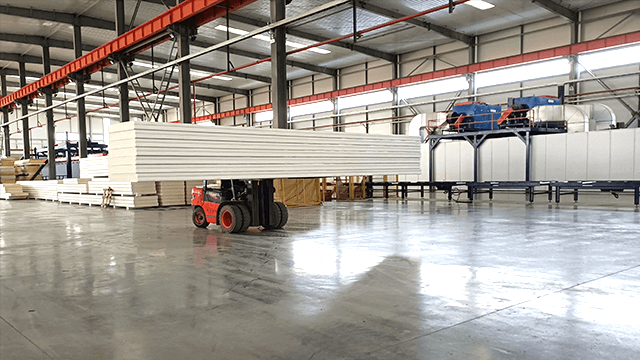
To successfully resolve thermal transmission dynamics, a deep comprehension of conduction, convection, and radiation parameters is imperative. Insulated sandwich panels balance structural integrity and low lambda (λ) values. Choosing the appropriate core material determines the building envelope's thermodynamic response curve under high temperature variations.
| Insulation Core Type | Thermal Conductivity (λ - W/mK) | Euroclass Fire Rating | Compressive Strength (kPa) | Water Absorption (%) |
|---|---|---|---|---|
| PIR (Polyisocyanurate) | 0.020 - 0.022 | B-s1, d0 (Flame Retardant) | 120 - 150 | < 1.5% |
| Rock Wool (Mineral Fiber) | 0.035 - 0.040 | A1 (Non-Combustible) | 60 - 100 | < 2.0% (treated) |
| PUR (Polyurethane) | 0.022 - 0.025 | B-s2, d0 | 100 - 130 | < 2.0% |
| EPS (Expanded Polystyrene) | 0.032 - 0.038 | E | 70 - 100 | < 4.0% |
Dongguan Homecoxa Panels utilizes structural optimization techniques to limit moisture ingress, preventing core degradation over time. Our precision joinery configurations employ vapor seals and interlocking joint geometries that suppress thermal convective looping, protecting interior microclimates from external heat stress.
The CE Mark is a mandatory conformity assessment demonstrating adherence to structural, mechanical, and safety thresholds under European Harmonized Standard EN 14509. For self-supporting double skin metal face insulating panels, achieving CE status demands comprehensive Third-Party Verification across these operational characteristics:
This certification confirms mechanical shear strength under extreme load conditions, ensuring structural stability when exposed to intense wind pressure and thermal expansion forces. At Homecoxa, our continuous quality control protocols subject production runs to rigorous performance verification checks, ensuring full adherence to international regulatory frameworks.
Controlled environments demand strict thermodynamic isolation. Homecoxa cold storage panels feature vapor-tight joints that eliminate thermal bridging, preventing ice accretion and ensuring uniform distribution of sub-zero temperatures with minimal energy use.
Pharmaceutical and semiconductor processing areas depend on dust-free, non-outgassing surfaces. Our panels assemble cleanly to minimize structural gaps, supporting positive pressure air-filtration systems and ensuring compliance with Class 100 air quality specifications.
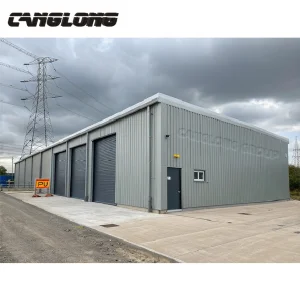
Large structural designs require building envelope systems that install rapidly and resist wind loading. Homecoxa roof and wall panels combine structural spans with insulating properties, lowering primary framing expenses and accelerating project handovers.
Thermal management research is advancing past static insulation panels. The next decade focuses on carbon-negative materials, intelligent sensing integration, and circular recycling configurations.
Developing bio-polyols sourced from agricultural waste to substitute petroleum-derived PIR components, decreasing the carbon footprint of structural panels while maintaining flame-retardant performance.
Integrating temperature sensor wiring directly into panel cores during manufacturing. These sensors communicate continuous data to Building Management Systems (BMS), alerting facility managers to moisture ingress or thermal bridging anomalies.
Creating modular design configurations where steel cladding can be cleanly peeled from core insulation at end-of-life, enabling 100% material reprocessing and minimizing landfill waste.
Get professional technical support and guidance on thermal insulation requirements, testing protocols, and core selection standards.
Select from our extended portfolio of structural building systems, specialty acoustic insulation boards, and envelope materials tailored for global industrial requirements.
 Homecoxa Panels