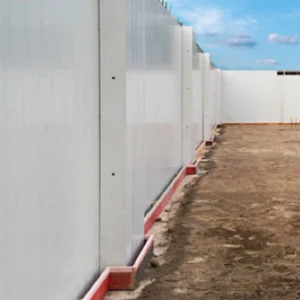
Explore our elite portfolio of advanced architectural materials, digital environment systems, and structural panels engineered to reduce thermal bridging and maximize thermal resistance.
In an era defined by aggressive decarbonization mandates, rising global energy tariffs, and shifting climatic volatility, thermal efficiency has transitioned from a structural option to a critical compliance imperative. According to the International Energy Agency (IEA), operations and construction of building envelopes account for nearly 39% of global energy-related carbon dioxide emissions. Mitigating energy loss through advanced building envelopes—specifically using high-performance insulated sandwich panels and climate control barriers—stands as the most economically viable strategy to achieve Net-Zero Energy Buildings (NZEB) status.
Industrial, agricultural, and logistics facilities operate under strict thermal restrictions. Whether preserving cleanroom air sterility, supporting cold chain preservation systems, or containing extreme temperatures inside heavy manufacturing plants, modern envelope design demands specialized composite systems. Standard building materials no longer meet these rigorous thermal demands. Selecting a reliable thermal efficiency solutions supplier is now critical to long-term project viability, lower insurance premiums, and reduced operational expenditures.
"Optimal building envelopes minimize thermodynamic exchange between conditioned interior spaces and fluctuating outdoor atmospheres. Utilizing specialized composite cores with high-density polyurethane (PUR), polyisocyanurate (PIR), or structural rockwool prevents the thermal bridging that accounts for up to 45% of total heating and cooling loss in warehouses and cold storage terminals."
As a leading pioneer in composite engineering and structural insulating technologies, Dongguan Homecoxa Panels Co., Ltd. is a professional insulated sandwich panel manufacturer specializing in roofing, wall, and cold storage solutions. With years of industry experience, the company is dedicated to providing high-performance building materials that meet the evolving demands of modern construction and cold chain infrastructure.
Homecoxa focuses on the research, development, and production of a wide range of insulated panel systems, including roof sandwich panels, wall panels, cold storage panels, and interior partition and ceiling solutions. All products are manufactured using advanced production lines and high-quality raw materials, ensuring excellent thermal insulation, fire resistance, durability, and structural stability. These panels are widely used in industrial plants, warehouses, cold storage facilities, cleanrooms, commercial buildings, and agricultural projects.
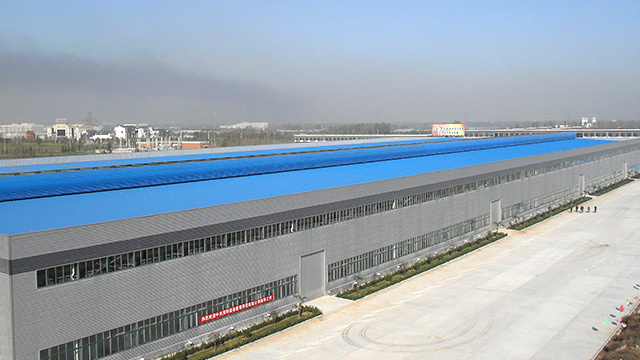
Driven by innovation and quality, Dongguan Homecoxa Panels Co., Ltd. continuously improves its manufacturing processes and product performance to enhance energy efficiency and reduce construction time. The company also offers customized solutions based on specific project requirements, including panel thickness, core materials, and surface finishes. With a commitment to quality, reliability, and customer satisfaction, Homecoxa has established strong partnerships with clients across global markets. The company strives to deliver sustainable, cost-effective, and easy-to-install panel solutions, supporting customers in building efficient, durable, and environmentally friendly structures worldwide.
To understand the evolution of thermal containment systems, we must analyze the key macro trends driving developers, contractors, and asset managers worldwide:
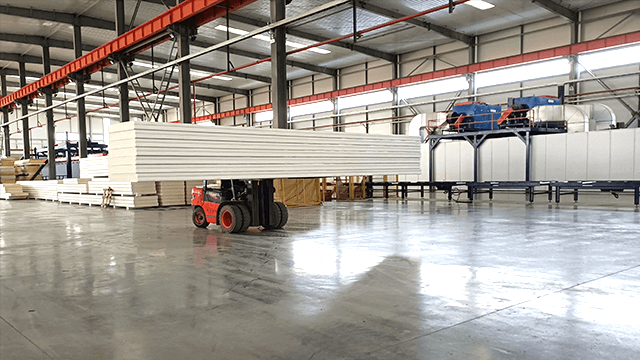
Achieving structural durability and high R-values requires selecting the correct insulation core material. Each substrate performs differently under mechanical stress, fire hazards, and high humidity:
Environmental conditions vary widely by region, requiring custom engineered thermal solutions:
Engineered to satisfy high-level structural demands, our solutions address the complex variables of building envelope technology.
Advanced continuous double-belt lamination guarantees uniform density distribution, eliminating core voids and ensuring consistent R-values across all panel sections.
Utilizes self-extinguishing polyisocyanurate formulations and high-density mineral wool cores to meet EN 13501-1 and FM global fire safety standards.
Engineered joint designs allow for the seamless integration of digital temperature sensors, structural cables, and cleanroom air systems, creating intelligent architectural envelopes.
Expert technical answers addressing core considerations in building envelope design, thermal performance, and material selection.
Thermal bridging occurs when heat bypasses insulated zones through highly conductive materials like steel studs or fasteners. This can be prevented by using continuous insulated sandwich panels that mount outside the structural framework, creating an uninterrupted thermal envelope. Specially engineered tongue-and-groove joints further seal junctions, preventing energy transfer.
PIR offers a lower thermal conductivity rating (λ ≈ 0.022 W/m·K) compared to EPS (λ ≈ 0.038 W/m·K), allowing for thinner panels that deliver equivalent insulation performance. PIR also provides superior fire safety, with self-extinguishing properties and better structural stability under high temperature gradients.
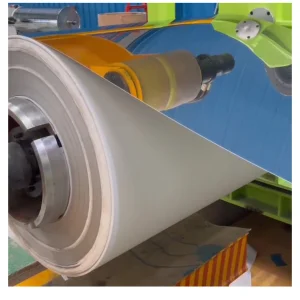
Pre-painted galvanized (PPGI) and galvalume (PPGL) steel skins protect the composite panel core from UV degradation, moisture, and mechanical wear. Premium multi-layer coatings resist corrosion, chemical exposure, and chalking, helping panels maintain their structural integrity and thermal performance for decades.
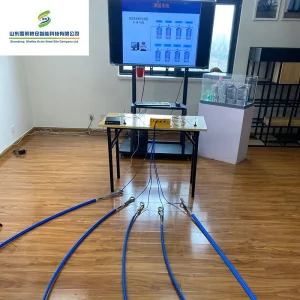
Digital sensor temperature cables provide real-time temperature monitoring inside bulk storage units like grain silos or cold chambers. By tracking temperature variations, operators can quickly identify hot spots or insulation failure, preventing spoilage and maintaining optimal climate conditions.
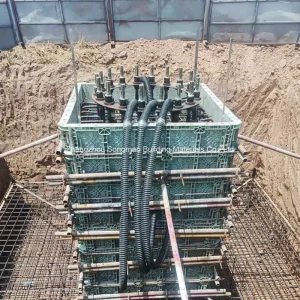
Modular reusable plastic formwork systems reduce waste by replacing single-use timber and plywood formworks. They can be reused up to 100 times, are fully recyclable, and require no release agents, minimizing the carbon footprint of concrete structures.
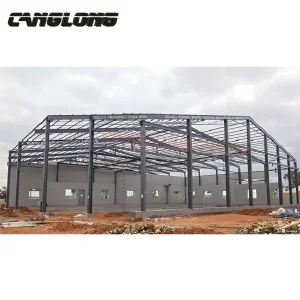
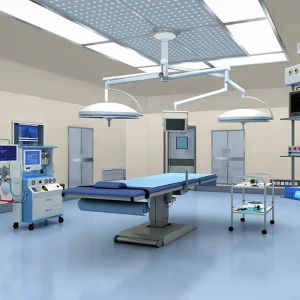
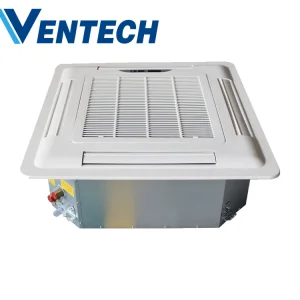
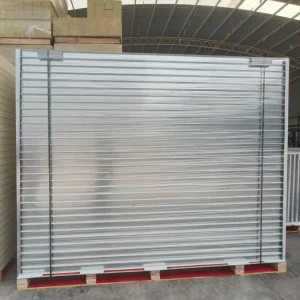
Discover our comprehensive range of structural assemblies, roof decking, modular partitions, and high-efficiency HVAC equipment.
 Homecoxa Panels