Explore our top-tier catalog of specialized sandwich panels, insulation materials, structural elements, and monitoring systems designed to optimize energy efficiency and thermal integrity.

W/m·K Min. Conductivity
Export Countries
Fire Resistance
Custom Engineered
The global demand for high-performance temperature control materials and structural systems is witnessing an unprecedented surge. Driven by stringent environmental regulations, carbon-neutrality initiatives, and the rapid expansion of cold chain logistics, modern industries are prioritizing thermal efficiency. From automated cold storage facilities and pharmaceutical cleanrooms to heavy-duty industrial machinery, maintaining constant, precise thermal environments is no longer just an operational goal—it is a critical compliance and financial metric.
In international trade, China has established itself as the leading hub for material synthesis and structural sandwich panel manufacturing. By combining massive vertical integration with cutting-edge research in chemical polymer cores, composite metal sheeting, and smart monitoring instrumentation, Chinese suppliers offer superior economic and technical advantages. As architectural envelopes adapt to severe weather conditions caused by global climate shifts, the role of materials like aerogels, advanced rock wool, and customized polyurethane panels becomes paramount.
Analyzing the evolution of thermal isolation, safety metrics, and system monitoring within smart architectural ecosystems.
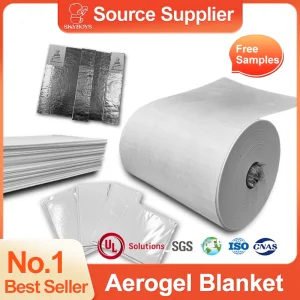
The transition from legacy glass fiber to Silica Nano-Ceramic Fiber Aerogel blankets represents a paradigm shift. With thermal conductivity profiles as low as 0.015 W/m·K, aerogels allow developers to achieve equivalent insulation values at a fraction of the material thickness.
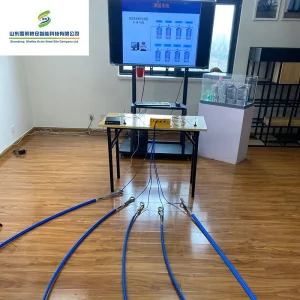
Thermal monitoring is moving from localized spot-checking to continuous, digital sensor wire matrices integrated directly within warehouses and bulk storage silos. This prevents thermal runaway, rot, and structural degradation in real time.
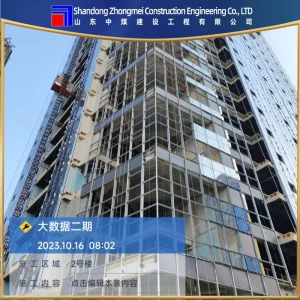
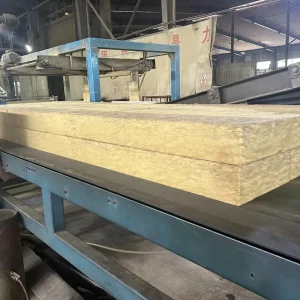
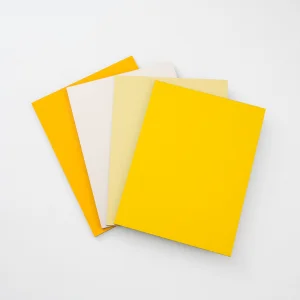
Non-combustible exterior envelopes, such as high-density Rock Wool cores and advanced fireproof Aluminum Composite Panel (ACP) curtain walls, are mandatory for high-rise commercial structures. This shift is driven by global updates to municipal building fire codes.
How specific commercial spaces address thermal bridging, humidity, particulate control, and mechanical heat loads.
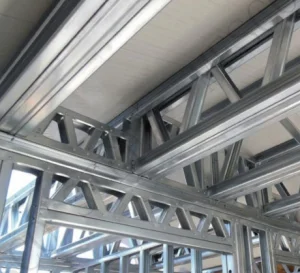
In industrial cold storage, continuous operation relies on eliminating thermal bridging—instances where structural metal conducts external ambient heat. Custom cold warehouse panel assemblies use inter-locking tongue-and-groove joints combined with high-density polyurethane (PUR) or polyisocyanurate (PIR) cores. These modular walls, structurally supported by hygienic anchor arrays, prevent ice buildup, reduce refrigeration compressor duty cycles, and maintain reliable temperature gradients for deep-freeze cargo.
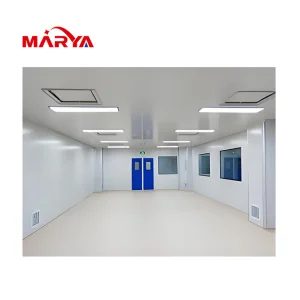
Pharmaceutical cleanrooms require strict control over clean air, relative humidity, pressure, and temperature. Structural panels in these environments must be inert, easy to sanitize, and flush-mounted. Using advanced modular wall panels with steel skin finishes, cleanroom systems ensure that internal temperature profiles do not deviate. This prevents microbial replication and chemical destabilization of sensitive medical substances.
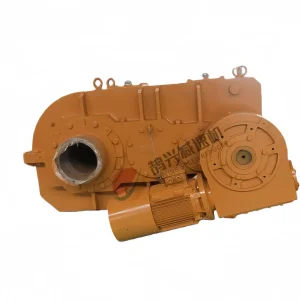
Mechanical systems, such as industrial gear reducers and baghouse dust collectors, generate significant thermal profiles that can lead to mechanical failure. Heavy-duty applications rely on advanced envelope engineering and heat dissipation features. For instance, using cone worm reducers with thermal dissipation casings, and installing envelope baghouses designed for dust clean-out, helps manage the high hot-gas profiles produced during manufacturing.
Bulk grain storage silos are highly susceptible to moisture condensation and spontaneous combustion if localized temperatures fluctuate. Modern grain silos integrate digital cable sensors that run vertically through the bulk material. This ensures that ambient moisture and micro-thermal variations are detected immediately, allowing operators to run aeration systems before grain damage occurs.
Dongguan Homecoxa Panels Co., Ltd. is a professional insulated sandwich panel manufacturer specializing in roofing, wall, and cold storage solutions. With years of industry experience, the company is dedicated to providing high-performance building materials that meet the evolving demands of modern construction and cold chain infrastructure.
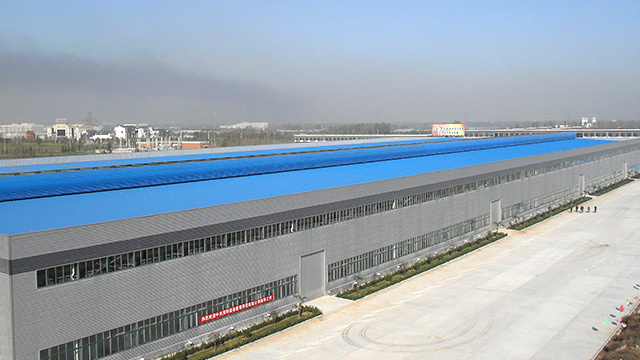
Homecoxa focuses on the research, development, and production of a wide range of insulated panel systems, including roof sandwich panels, wall panels, cold storage panels, and interior partition and ceiling solutions. All products are manufactured using advanced production lines and high-quality raw materials, ensuring excellent thermal insulation, fire resistance, durability, and structural stability. These panels are widely used in industrial plants, warehouses, cold storage facilities, cleanrooms, commercial buildings, and agricultural projects.
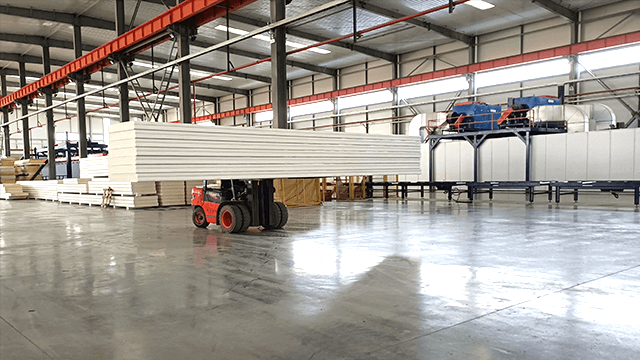
Driven by innovation and quality, Dongguan Homecoxa Panels Co., Ltd. continuously improves its manufacturing processes and product performance to enhance energy efficiency and reduce construction time. The company also offers customized solutions based on specific project requirements, including panel thickness, core materials, and surface finishes.
With a commitment to quality, reliability, and customer satisfaction, Homecoxa has established strong partnerships with clients across global markets. The company strives to deliver sustainable, cost-effective, and easy-to-install panel solutions, supporting customers in building efficient, durable, and environmentally friendly structures worldwide.
| Core Insulation Options | PUR (Polyurethane), PIR, EPS, Rock Wool |
| Panel Thicknesses | 50mm, 75mm, 100mm, 150mm, 200mm (Customizable) |
| Cladding Materials | PPGI, PPGL, Stainless Steel, Aluminum Composite |
| Density Range | 38 - 42 kg/m³ for foam, 100 - 120 kg/m³ for mineral wool |
| Joint Configurations | Z-lock, Tongue-and-Groove, Cam-lock Systems |
| Structural Testing | ASTM, EN standards, Fire-resistance Class A/B |
"Building envelope energy conservation is the cheapest, cleanest, and most immediate path to reducing industrial carbon emissions."
The structural materials sector is evolving from passive thermal barriers to responsive, intelligent structural envelopes.
Co-formulation of core materials like PIR with integrated nano-aerogel matrices to achieve high R-values with thinner profiles. This maximizes usable space in high-density cold logistics hubs.
Integrating Phase Change Materials (PCMs) directly within sandwich panel cores. PCMs absorb excess heat during the day and release it at night, reducing HVAC loads in temperate regions.
Integrating thin-film photovoltaic skins with digital temperature sensor arrays, creating smart envelopes that generate power while monitoring structural thermal integrity.
Answering critical technical questions from structural engineers, project managers, and procurement specialists.
Complete your design specification with specialized composite panels, acoustic insulation, and high-performance partition systems.

 Homecoxa Panels