Dongguan Homecoxa Panels Co., Ltd. is a professional insulated sandwich panel manufacturer specializing in roofing, wall, and cold storage solutions. With years of industry experience, the company is dedicated to providing high-performance building materials that meet the evolving demands of modern construction and cold chain infrastructure.
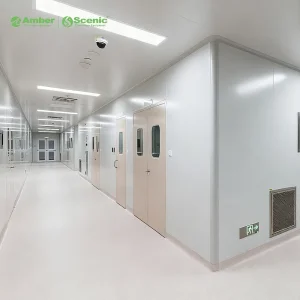
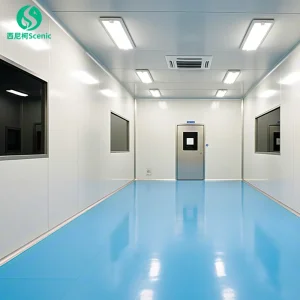
Homecoxa focuses on the research, development, and production of a wide range of insulated panel systems, including roof sandwich panels, wall panels, cold storage panels, and interior partition and ceiling solutions. All products are manufactured using advanced production lines and high-quality raw materials, ensuring excellent thermal insulation, fire resistance, durability, and structural stability. These panels are widely used in industrial plants, warehouses, cold storage facilities, cleanrooms, commercial buildings, and agricultural projects.
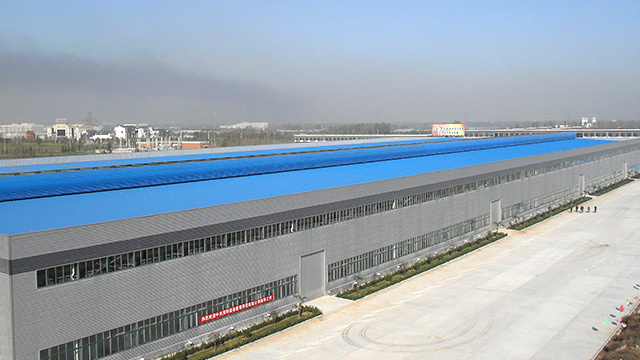
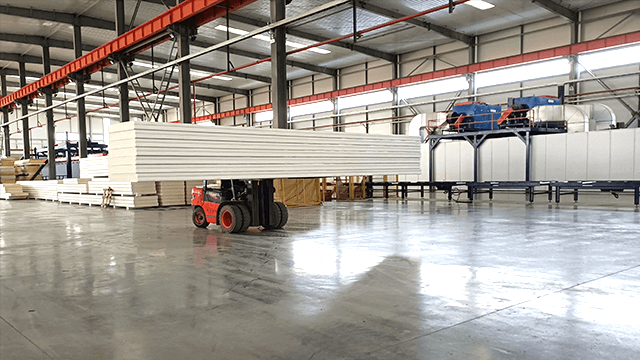
Driven by innovation and quality, Dongguan Homecoxa Panels Co., Ltd. continuously improves its manufacturing processes and product performance to enhance energy efficiency and reduce construction time. The company also offers customized solutions based on specific project requirements, including panel thickness, core materials, and surface finishes.
With a commitment to quality, reliability, and customer satisfaction, Homecoxa has established strong partnerships with clients across global markets. The company strives to deliver sustainable, cost-effective, and easy-to-install panel solutions, supporting customers in building efficient, durable, and environmentally friendly structures worldwide.
Modern industrial architectures face strict energy performance mandates, notably governed by localized equivalents of the European Energy Performance of Buildings Directive (EPBD). The conceptual core of CE certified sustainable prefabrication techniques lies in thermodynamic optimization. Specifically, reducing thermal transmittance ($U$-value) through the integration of rigid polyurethane (PU) and polyisocyanurate (PIR) cores prevents thermal bridging at critical junctions.
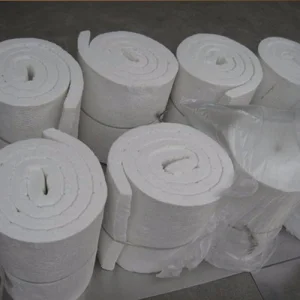
Under standard thermodynamic testing, a structural sandwich panel exhibits high thermal efficiency compared to traditional concrete or stick-built metal assemblies. By maintaining a closed-cell structure exceeding 95%, the insulation core minimizes convection and radiation pathways. In comparison, common mineral wool alternatives, while possessing outstanding fire prevention metrics, require significantly larger thicknesses to achieve identical thermal insulation indices. This thickness penalty escalates the structural weight of the building envelope, thereby inflating structural steel mass requirements.
Minimizing operational carbon emissions by mitigating HVAC load via tight thermal performance metrics.
Integrating sound dampening insulation cores that mitigate industrial noise pollution to safe OSHA and EN levels.
Attaining Class B-s1, d0 classification to stop flame propagation and toxic gas generation in industrial settings.
The global prefabrication landscape demands high reliability and speed to market. Dongguan Homecoxa Panels Co., Ltd. exemplifies the optimization of Chinese industrial supply chains. By establishing localized loops for sourcing high-tensile hot-dip galvanized steel, specialized polymer coatings, and MDI chemicals, the manufacturing ecosystem limits exposure to global logistics shocks.
Continuous double-belt laminators operate under computerized temperature and pressure controls, enabling consistent panel flatness, density distribution, and bonding performance. This automation eliminates human variables that compromise insulation performance. China’s supply chain resilience also incorporates rapid custom configurations. Unlike regional manufacturers with limited configurations, Homecoxa offers customized specifications for panel cores (PIR, PU, Rockwool), density ranges, and specialized surface finishes (e.g., anti-static coatings for cleanrooms, PVDF for chemical processing plants).
This flexible system ensures fast turnaround times from technical design verification to port delivery. By leveraging nearby port networks (Shenzhen, Guangzhou, Hong Kong), Homecoxa streamlines international transit, reducing logistics footprints and overall project lead times.
A comparative assessment of insulation core technologies under standard EN 14509 testing protocols.
| Insulation Core Type | Thermal Conductivity (W/m·K) | Compressive Strength (kPa) | Fire Classification (EN 13501-1) | Eco-Impact (GWP Index) |
|---|---|---|---|---|
| Polyisocyanurate (PIR) | 0.020 - 0.022 | > 150 | B-s1, d0 / B-s2, d0 | Ultra Low (HFO-Blown) |
| Polyurethane (PU / PUR) | 0.022 - 0.024 | > 120 | B-s2, d0 / C-s2, d0 | Low |
| Structural Rockwool | 0.038 - 0.042 | > 100 | A1 / A2 Non-Combustible | Medium (High Process Energy) |
| Expanded Polystyrene (EPS) | 0.035 - 0.038 | > 80 | Class E | Low |
Global prefabrication demands performance tailored to local climates. Structures in Sub-Zero Arctic Regions, for instance, face continuous interior-exterior temperature differences. Without proper thermal breaks, ice crystal formation at joint systems can damage panel cores. Homecoxa's thermal-joint designs seal seams against moisture infiltration, protecting structural performance.
Conversely, Tropical and Subtropical Coastal Regions demand high resistance to salinity and humidity. Traditional metal sheets corrode quickly under marine conditions. Deploying customized sustainable cladding systems with high-build polyurethanes (PU-coating) or PVDF exterior paint sheets ensures long-term resistance to UV damage and electrochemical corrosion. This durability reduces maintenance requirements over the building's operating life.
In seismic and high-wind zones, modular structures require high shear and tensile load capacities. Homecoxa panels use engineered interlocking tongue-and-groove joints. When secured to light steel frames, they create a strong building envelope that distributes lateral loads evenly, improving building safety in extreme weather.
The next decade of sustainable prefabrication centers on material circularity, digital twinning, and building automation. The roadmap outlines a transition towards bio-based polyols for insulation cores, reducing reliance on petrochemical precursors without sacrificing thermal properties or fire safety ratings.
Future structural systems will integrate directly with BIM pipelines. Real-time fabrication coordinates are fed directly into CNC machinery at the factory. This precision ensures zero-waste structural cutouts, quick component interlocking on site, and low installation labor requirements.
Embedding micro-sensors within the insulation core allows property owners to monitor internal relative humidity, core temperature changes, and shear stresses. This data enables predictive maintenance, helping to identify structural issues before they escalate.
Developing circular collection programs ensures panels at the end of their design life can be returned to processing hubs. Here, steel faces are separated and recycled, while polyurethane components are chemically recycled back into active foam formulations, minimizing waste.
Procuring structural components globally requires meeting localized building standards. The CE mark signifies compliance with EU Construction Products Regulations (CPR), specifically standard EN 14509 for self-supporting double skin metal faced insulating panels. This certification requires ongoing Factory Production Control (FPC) audits, confirming that panels meet mechanical resistance, thermal insulation, and fire safety specifications over time.
Beyond CE marks, regional compliance requires meeting criteria like FM Approvals in North America and ISO certifications globally. Dongguan Homecoxa Panels Co., Ltd. addresses these regulatory requirements by maintaining a documented quality system. This system tracks raw material inputs, tensile values, core density records, and fire test reports, giving developers the verification needed for local authority approvals.
![Premium Quality [Manufacturer] Eco-Friendly Building Materials](https://site.cdnfile.io/13f9d1366c0fbd21f3254e20de2d807a300_300.webp)
 Homecoxa Panels