Explore our leading structural modular solutions, insulated cores, and high-performance building envelope components engineered for modern architecture.
In modern architecture and structural engineering, a robust building envelope acts as the physical separator between the conditioned and unconditioned environment of a building. It handles critical resistances: air barrier integrity, water management, thermal control, and structural load distribution. As energy codes become more stringent globally (e.g., ASHRAE 90.1, Title 24, and the EU EPBD), the demand for high-performance envelopes has shifted from traditional multi-component field assemblies to advanced factory-engineered composite panel systems.
A building envelope is not merely a facade. It is an active engineering system that dictates the HVAC system sizing, long-term operational costs, and the interior environment quality. Mitigating thermal bridging, optimizing vapor permeance through hygrothermal modeling, and ensuring wind-load resistance are standard requirements. Structural Insulated Panels (SIPs), metal profile systems, and advanced sandwich panels with PIR (Polyisocyanurate) or Rockwool cores form the vanguard of this technical shift.
Professional manufacturing of structural insulated panels for global commercial and cold chain projects.
Dongguan Homecoxa Panels Co., Ltd. is a professional insulated sandwich panel manufacturer specializing in roofing, wall, and cold storage solutions. With years of industry experience, the company is dedicated to providing high-performance building materials that meet the evolving demands of modern construction and cold chain infrastructure.
Homecoxa focuses on the research, development, and production of a wide range of insulated panel systems, including roof sandwich panels, wall panels, cold storage panels, and interior partition and ceiling solutions. All products are manufactured using advanced production lines and high-quality raw materials, ensuring excellent thermal insulation, fire resistance, durability, and structural stability. These panels are widely used in industrial plants, warehouses, cold storage facilities, cleanrooms, commercial buildings, and agricultural projects.
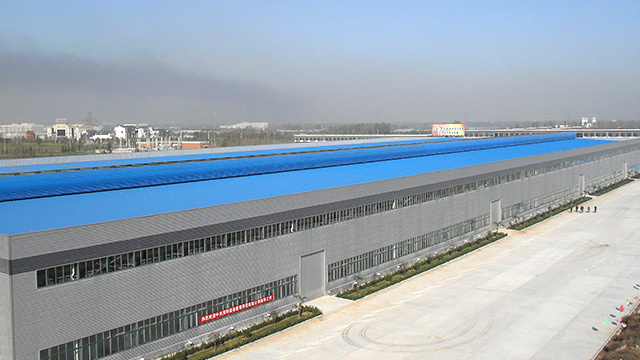
Driven by innovation and quality, Dongguan Homecoxa Panels Co., Ltd. continuously improves its manufacturing processes and product performance to enhance energy efficiency and reduce construction time. The company also offers customized solutions based on specific project requirements, including panel thickness, core materials, and surface finishes.
With a commitment to quality, reliability, and customer satisfaction, Homecoxa has established strong partnerships with clients across global markets. The company strives to deliver sustainable, cost-effective, and easy-to-install panel solutions, supporting customers in building efficient, durable, and environmentally friendly structures worldwide.
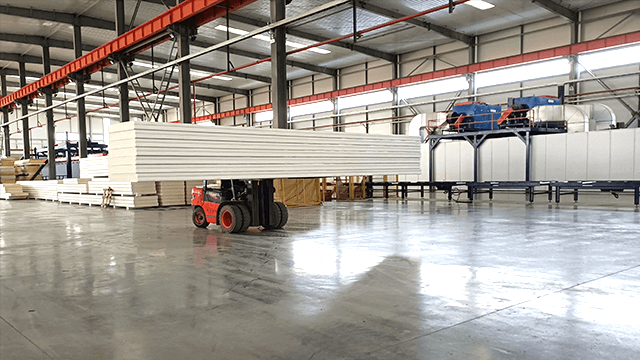
Industrial developers, cold-chain operators, and general contractors look for specific parameters when selecting envelope manufacturers. For large scale commercial developments (such as Amazon fulfillment hubs or precision semiconductor cleanrooms), standard off-the-shelf structural panels fail to meet regulatory standards. Global procurement teams evaluate products based on the following key metrics:
| Performance Class | Technical Parameters Analyzed | Enterprise Sourcing Benchmark | Ideal Application Scenario |
|---|---|---|---|
| Ultra-Low U-Value | U-factor ranging from 0.12 to 0.18 W/m²K | PIR / Polyurethane Continuous Cores | Cold Storage & Cold Chain Distribution Hubs |
| Acoustic & Vibration Dampening | Weighted Sound Reduction Index (Rw) ≥ 35dB | High-Density Mineral Wool & Fibre Cement Cores | Industrial Manufacturing Plants & Processing Facilities |
| Hygrothermal Performance | Zero water-vapor transmission rate | Seamless Joints with Integrated EPDM Gaskets | Pharmaceutical Cleanrooms & Microelectronics Labs |
| High Wind-Load Capacity | Negative and positive load resistance ≥ 4.5 kPa | Structural Steel Profile Backings | Coastal Logistics Parks & Hurricane-Prone Regions |
Additionally, supply chain security, lead times, and factory QA/QC documentation are crucial. Enterprise buyers require factories that possess automated continuous lamination lines, guaranteeing consistent adhesion between metal facings and insulation cores. Homecoxa addresses these constraints by leveraging advanced European-standard continuous lines to manufacture panels with uniform density and flawless structural bond strengths.
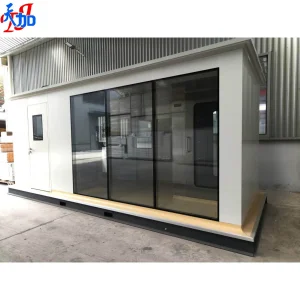
Modern building envelopes require a holistic system approach. The integration of structural steel frames, prefabricated wall panels, high-performance insulation boards, and specialized rainwater management systems constitutes a robust solution. Here is an overview of the macro envelope systems utilized in today's construction markets:
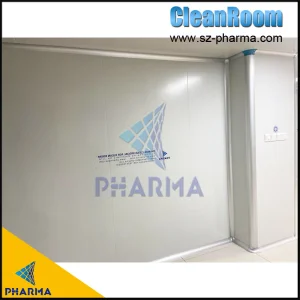
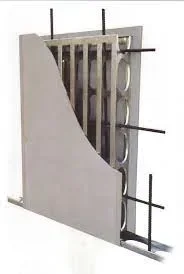
Cleanrooms require strict control over airborne particulates, temperature, and humidity. Prefabricated wall panels with coved corners (such as the Innovative Seamless Modular Wall System) eliminate dust traps and allow for efficient chemical washdowns. Utilizing 50mm PIR cores provides the necessary thermal separation while preserving acoustic performance.
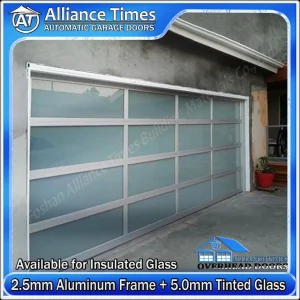
Logistics hubs require high-durability building envelopes that incorporate quick-construction pre-engineered building (PEB) steel structures. The combination of insulated composite metal wall panels and specialized commercial garage doors with automated driving systems minimizes thermal losses at loading bays, reducing peak cooling and heating loads.
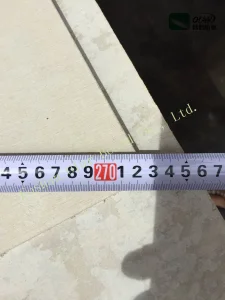
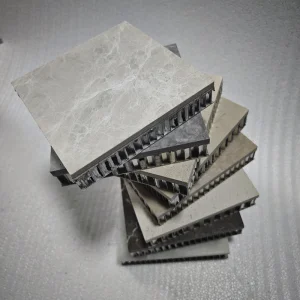
Architectural projects rely on lightweight composite panels that combine aesthetics and energy efficiency. Stone-faced composite honeycomb panels and high-density fiber cement systems offer architectural freedom, outstanding fire resistance, and wind-load distribution without placing excess structural weight on the building frame.
To optimize performance, developers increasingly use integrated building envelope commissioning (BECx). This process involves testing the physical mockups of envelope assemblies for air leakage under ASTM E283 standards and water penetration under ASTM E331 standards before mass production begins.
As the construction sector moves toward carbon neutrality, building envelope technologies are evolving. Leading research institutions and forward-thinking manufacturers are targeting several engineering innovations:
While PIR and PUR remain the standards for low-temperature applications, R&D is focusing on introducing bio-polyols derived from agricultural waste. Additionally, Vacuum Insulation Panels (VIPs) are being tested to achieve R-values of R-40 per inch, allowing for thinner walls with high thermal performance.
The facade is transitioning from a passive barrier to an active energy harvester. Integrating thin-film photovoltaic systems directly into composite metal panel finishes allows warehouses and high-rise commercial structures to generate electricity directly from exterior walls.
Air leakage through panel joints accounts for up to 40% of building thermal energy loss. Next-generation envelope systems feature multi-layered gaskets and interlocking joints with phase-change materials (PCMs) that dynamically expand or contract based on ambient temperatures.
The global demand for high-performance building envelopes is driven by regional dynamics:
Dongguan Homecoxa Panels Co., Ltd. addresses this international market by manufacturing panels that comply with diverse regional performance codes. This ensures structural strength, thermal efficiency, and code compliance across varied global climate zones.
Building envelopes must adhere to code compliance and safety testing. Before structural sandwich panels are approved for installation on a project site, they undergo standard tests to verify performance under environmental stresses.
Fire safety is a key factor when selecting structural wall panels. Standards such as EN 13501-1 (Class B-s1, d0) and ASTM E84 (Class A rating) classify the flame spread and smoke development of the insulation cores. Modern PIR formulations from manufacturers like Homecoxa feature self-extinguishing properties, which help maintain structural integrity during thermal events.
Uncontrolled air leakage reduces HVAC system efficiency and can cause moisture accumulation within the wall cavity. Structural panel systems must meet ASTM E2178 (for air permeance of materials) and ASTM E2357 (for air leakage of complete assemblies) to ensure continuous thermal envelope boundaries and prevent structural deterioration.
Frequently asked technical questions regarding structural envelope systems, core materials, and installation requirements.
Explore our structural systems, fiberglass drainage systems, and specialty interior panels designed for commercial and industrial structures.
 Homecoxa Panels