
In the modern, highly regulated global construction sector, procuring structural products from manufacturers in China demands more than just cost-efficiency. It requires a rigorous, systematic approach to quality control, regulatory compliance, and mechanical performance. Building structures must endure environmental stresses, satisfy code requirements, and align with carbon-reduction targets. Sourcing structural elements without thorough verification risks structural failure, project delays, and substantial financial liabilities.
Dongguan Homecoxa Panels Co., Ltd. is a professional insulated sandwich panel manufacturer specializing in roofing, wall, and cold storage solutions. With years of industry experience, the company is dedicated to providing high-performance building materials that meet the evolving demands of modern construction and cold chain infrastructure.
By integrating state-of-the-art automation with strict testing protocols, Homecoxa offers structural envelope components that bridge the gap between competitive industrial pricing and strict international standards.
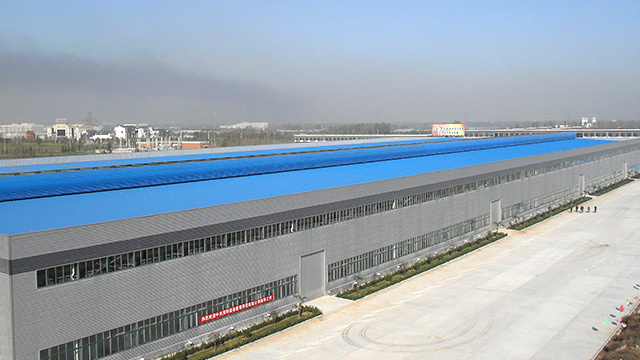
Ensuring reliability in architectural wall systems, roofing envelopes, and controlled temperature storage facilities depends on the quality of raw materials and the precision of the manufacturing process. Modern building envelope designs must address thermal bridging, wind-load resistance, structural load bearing, and long-term degradation. Selecting the correct insulation core material is essential to achieving thermal efficiency and compliance with regional fire codes.
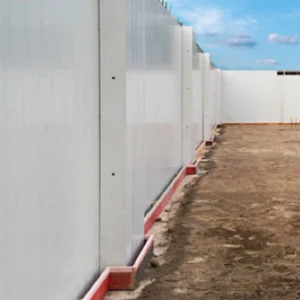
Homecoxa focuses on the research, development, and production of a wide range of insulated panel systems, including roof sandwich panels, wall panels, cold storage panels, and interior partition and ceiling solutions. All products are manufactured using advanced production lines and high-quality raw materials, ensuring excellent thermal insulation, fire resistance, durability, and structural stability. These panels are widely used in industrial plants, warehouses, cold storage facilities, cleanrooms, commercial buildings, and agricultural projects.
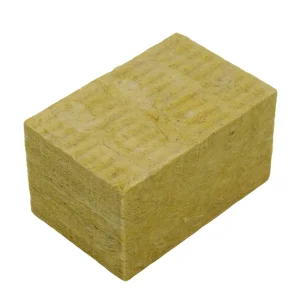
Advanced polyurethane (PU/PIR) and mineral rockwool cores designed to minimize U-values, prevent thermal bridging, and lower HVAC energy consumption in commercial envelopes.
Core materials engineered to meet strict international fire protection regulations, ensuring flame-retardant properties and minimal smoke development during high-temperature exposure.
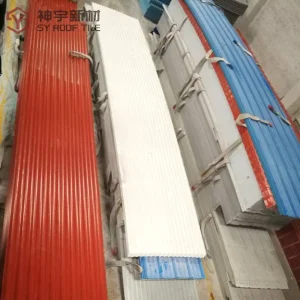
Adaptable panel configurations, skin thicknesses, surface finishes (including anti-corrosion prepainted steel), and interlocking joint profiles tailored to project specifications.
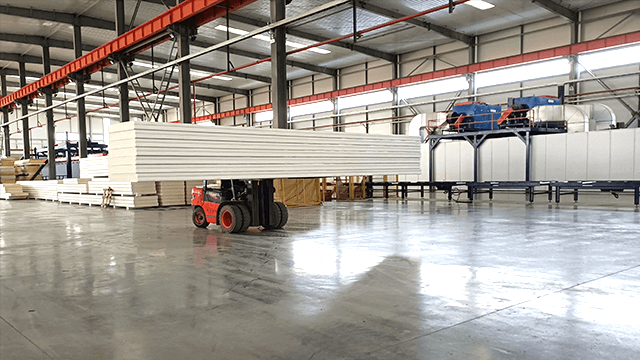
China's manufacturing sector has transitioned from volume-based production to high-precision engineering. Advanced material science and domestic industrial supply chains allow manufacturers to produce components that meet global standards like FM Approved, CE, and ASTM certifications at highly competitive price points.
Driven by innovation and quality, Dongguan Homecoxa Panels Co., Ltd. continuously improves its manufacturing processes and product performance to enhance energy efficiency and reduce construction time. The company also offers customized solutions based on specific project requirements, including panel thickness, core materials, and surface finishes.
This integration of R&D and manufacturing capacity ensures that structural elements perform reliably under diverse climatic conditions, from tropical coastal areas to sub-zero high-altitude regions.
Modern construction engineering prioritizes low carbon footprints, high speed of execution, and structural resilience. Traditional brick-and-mortar methodologies are increasingly replaced by pre-engineered building systems (PEB) and insulated modular components. This shift is driven by three main industry megatrends:
Building regulations worldwide are lowering allowable U-values for walls and roofs. Using high-density polyurethane sandwich panels and rockwool systems helps projects meet green standards like LEED and BREEAM, contributing to reduced energy demand over the structure's lifecycle.
With labor shortages rising globally, pre-engineered panels that interlock securely reduce on-site assembly schedules. This minimizes site errors and mitigates risk, accelerating return on investment for commercial real estate developers.
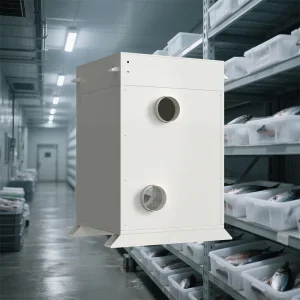
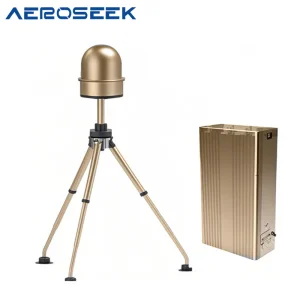
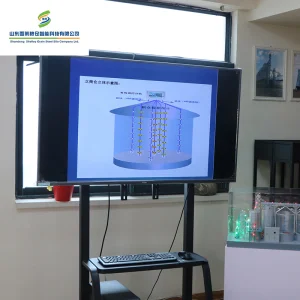
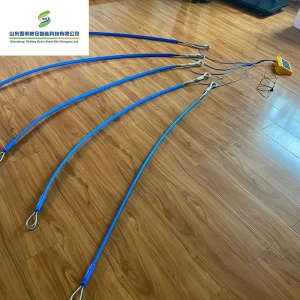
Industrial infrastructure is increasingly integrating structural materials with smart sensors. Modern projects, from agricultural grain silos to large cold chain distribution hubs, often include environmental monitoring networks (tracking temperature, humidity, and safety parameters) directly within the architectural design to protect assets and ensure operational continuity.
Different industrial environments present unique structural challenges. Effective material procurement must account for localized environmental stresses. Below are key applications and engineered responses:
For cold chain facilities, maintaining temperature integrity is critical. Smart frost-free controlled atmosphere storage rooms require high-thickness polyurethane panels with airtight tongue-and-groove joints. Proper installation prevents thermal bridging, reduces energy consumption, and eliminates condensation, ensuring food and pharmaceutical safety.
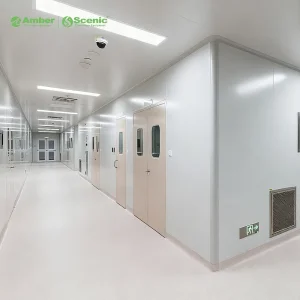
Industrial cleanrooms require completely flat, hygienic surfaces that resist bacteria and chemical disinfectants. Flush panel joints and specific anti-static coatings prevent contamination, making them suitable for semiconductor manufacturing, medical packaging, and biotechnology facilities.
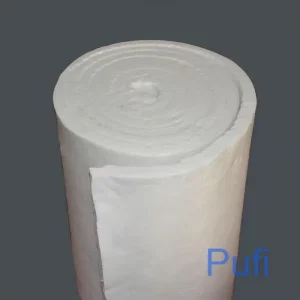
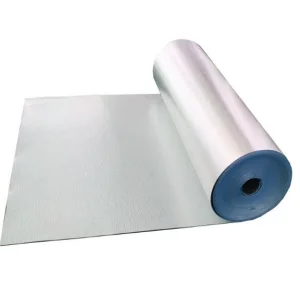
High-heat processes like metallurgy, glassmaking, and petrochemical refining require advanced insulation materials. Heavy-duty 1260-degree refractory alumina silicate needle ceramic fiber blankets provide high thermal resistance and structural integrity under severe heat loading, protecting structural steel frameworks from thermal damage.
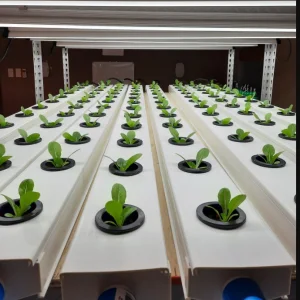
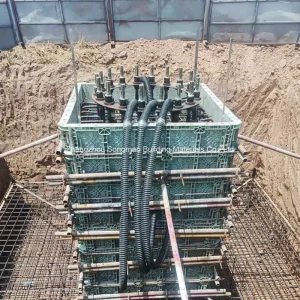
Modern commercial agriculture utilizes high-efficiency polycarbonate greenhouses and structural concrete formwork. To ensure long-term durability, agricultural concrete projects benefit from durable PVC and modular plastic formworks that resist moisture degradation, enabling high reuse rates and lowering construction waste.
Global B2B procurement managers face challenges related to logistics, quality assurance, and compliance when importing construction products. Working with an experienced manufacturer helps mitigate these supply chain risks. Establishing a reliable procurement flow involves several key practices:
With a commitment to quality, reliability, and customer satisfaction, Homecoxa has established strong partnerships with clients across global markets. The company strives to deliver sustainable, cost-effective, and easy-to-install panel solutions, supporting customers in building efficient, durable, and environmentally friendly structures worldwide.
To maintain quality consistency from factory floor to job site, procurement programs should focus on:
• SGS / BV Quality Inspections: Independent verification of tensile strength, density, and dimensional accuracy prior to loading.
• Logistical Protection: Export-grade packaging designed to prevent structural distortion, moisture ingress, and surface scratches during sea transport.
• Technical Support: Access to installation guides, shop drawings, and engineering calculations to support local building approvals.
Get direct technical answers from our engineering team regarding core properties, testing benchmarks, and installation methods.

 Homecoxa Panels