
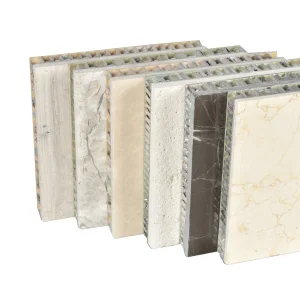
Dongguan Homecoxa Panels Co., Ltd. is a professional insulated sandwich panel manufacturer specializing in roofing, wall, and cold storage solutions. With years of industry experience, the company is dedicated to providing high-performance building materials that meet the evolving demands of modern construction and cold chain infrastructure.
Homecoxa focuses on the research, development, and production of a wide range of insulated panel systems, including roof sandwich panels, wall panels, cold storage panels, and interior partition and ceiling solutions. All products are manufactured using advanced production lines and high-quality raw materials, ensuring excellent thermal insulation, fire resistance, durability, and structural stability. These panels are widely used in industrial plants, warehouses, cold storage facilities, cleanrooms, commercial buildings, and agricultural projects.
Driven by innovation and quality, Dongguan Homecoxa Panels Co., Ltd. continuously improves its manufacturing processes and product performance to enhance energy efficiency and reduce construction time. The company also offers customized solutions based on specific project requirements, including panel thickness, core materials, and surface finishes.
With a commitment to quality, reliability, and customer satisfaction, Homecoxa has established strong partnerships with clients across global markets. The company strives to deliver sustainable, cost-effective, and easy-to-install panel solutions, supporting customers in building efficient, durable, and environmentally friendly structures worldwide.
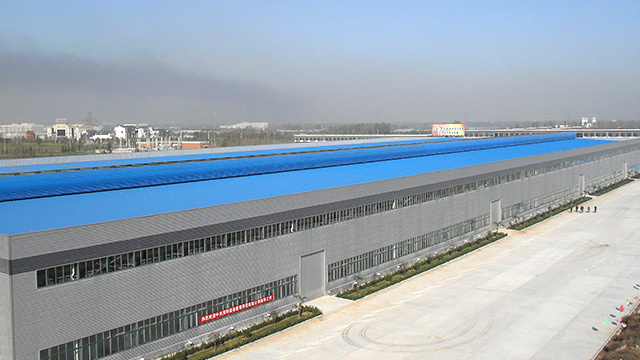
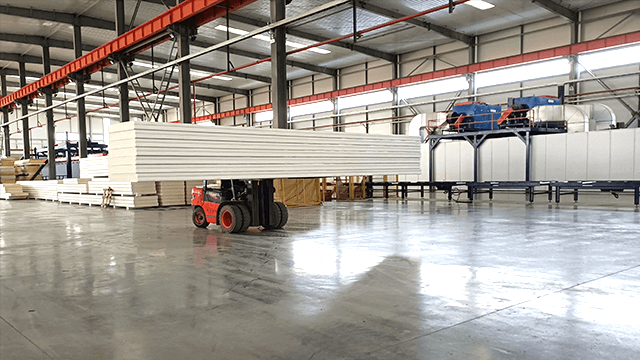
In the contemporary landscape of industrial civil engineering and commercial architecture, the traditional division of labor within building envelope assemblies is rapidly giving way to integrated multifunctional wall systems. Historically, building envelopes required distinct, labor-intensive steps to accomplish structural stability, thermal insulation, weather barriers, vapor control, and aesthetic finishing. This compartmentalized approach increased site management costs, structural load margins, and the margin for error.
Today, advanced manufacturers like Dongguan Homecoxa Panels Co., Ltd. are driving an evolutionary pivot toward pre-engineered, composite wall panel structures. By integrating insulation cores (such as Polyisocyanurate [PIR], Polyurethane [PUR], and Rockwool) directly between high-durability skin substrates, these systems exhibit remarkable mechanical shear capacity while achieving incredibly low U-values (thermal transmittance). Consequently, industrial developers can achieve complete enclosure within a fraction of the time needed for traditional dry-walling or cast-in-place concrete structures.
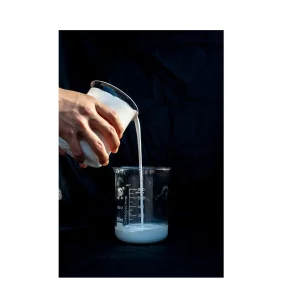
Representing the apex of commercial insulation performance, PIR (polyisocyanurate) is produced via a chemical reaction between polymeric isocyanate and polyol, resulting in a highly cross-linked ring structure. This chemical configuration yields excellent heat resistance, low smoke emissions, and a highly uniform closed-cell content exceeding 95%. This ensures thermal conductivity values (λ) as low as 0.019 W/m·K.
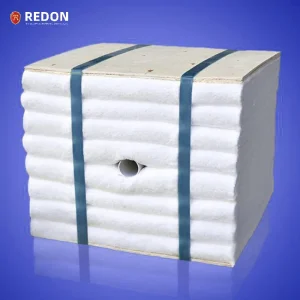
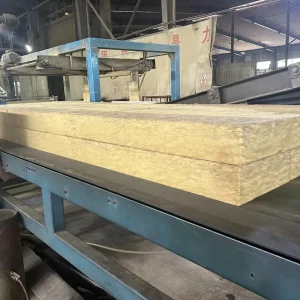
For applications where non-combustibility and absolute fire resistance are paramount (e.g., hazardous storage, battery assembly spaces, or complex public assemblies), high-density mineral wool cores offer unmatched thermal stability. Composed of natural basalt rock and slag, our structured fiber orientation ensures robust load distribution and compressive strengths matching high-tensile architectural requirements.
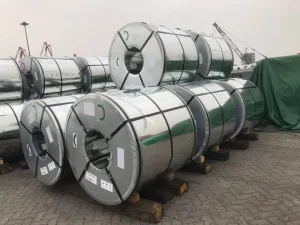
To resist harsh marine environment weathering, acid rain, and heavy UV exposure, we utilize advanced structural face metal materials such as Zinc-Aluminum-Magnesium (ZAM) coated prepainted steel. The self-healing properties of ZAM cut edges prevent localized galvanic corrosion, ensuring design-life durability exceeding 30 years without panel face deterioration.
The applicability of modern sandwich panels and multifunctional systems extends across diverse global industrial configurations. Rather than relying on standard stock materials, engineering teams must evaluate specific environmental exposures and thermal stresses to construct optimal envelope profiles:
Cold chain infrastructure demands zero thermal bridging, continuous vapor seals, and high panel joints integrity. Any micro-fissure at structural interfaces will result in localized ice formation, convective moisture ingress, and rapid compressor wear. Utilizing double-tongue-and-groove joint patterns with integrated elastomeric gaskets enables Homecoxa's panels to maintain pressure differentials across cold-room partitions and external walls.
Within cleanroom environments, standard plasterboard is unsuitable due to dust generation and microbial vulnerabilities. Instead, specialized wall systems utilizing flush-mount, non-outgassing panel joints combined with antistatic coatings are necessary. These systems prevent particulates from clinging to surface membranes while ensuring resistance to harsh chemical washdowns and automated decontamination protocols.
Heavy production environments require robust structural support integrated directly into the walls to carry mechanical equipment, cabling, and HVAC ducting. The engineered load capacity of composite sandwich panels allows them to serve not only as external cladding but also as self-supporting partitions capable of withstanding local seismic shifts, wind-shear loads, and negative room pressure differentials.
For international buyers, sourcing prefabricated building materials from Chinese factories involves evaluating more than just the ex-factory unit price. Leading procurement departments look at the Total Cost of Ownership (TCO) through a balance of logistics, customized engineering, and material lifecycle costs.
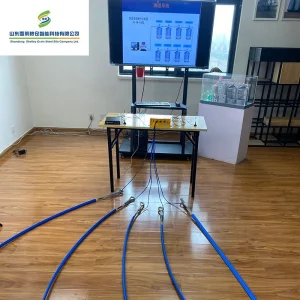
In modern industrial construction, code compliance is a critical requirement. Sourced wall assemblies must function within strict fire safety, thermal performance, and seismic structural guidelines. Chinese exporters like Dongguan Homecoxa Panels Co., Ltd. address this by conducting structural and thermal testing in certified third-party laboratories.
When panels arrive on site, technical support is key to a smooth installation. From matching architectural drawings with factory production lists to configuring custom panel cuts, detailed pre-shipment layouts help minimize waste and speed up installation. In addition, providing engineered connection accessories, flashings, and fasteners ensures the wall system performs to its specifications under wind load and seismic activity.
As the construction industry works to lower carbon emissions, structural design is adapting. The next generation of multifunctional wall systems will integrate active technologies directly into the wall assembly. Key developments include:
The U-value depends on the panel thickness and core chemistry. For instance, a 100mm PIR core panel offers a U-value of approximately 0.20 W/m²·K (equivalent to an R-value of around 28-30 hr·ft²·°F/BTU), depending on the joint configuration. Mineral wool cores of the same thickness typically yield U-values around 0.38 W/m²·K, trading some thermal performance for non-combustible fire protection.
High-quality PIR formulations are self-extinguishing and create a protective carbon char layer when exposed to flame. Under European classification standards (EN 13501-1), PIR panels can achieve B-s1, d0 or B-s2, d0 ratings. For projects requiring zero combustibility, structural rockwool panels are the recommended choice, with fire ratings up to Class A1.
Yes. Standard polyester coatings can degrade quickly under high salt exposure. For maritime or industrial environments, we recommend PVDF (Polyvinylidene Fluoride) coatings or Zinc-Aluminum-Magnesium (ZAM) structural steel faces, which provide superior corrosion resistance and long-term durability.
By moving the cutting, core integration, and face profiling to an automated factory setting, panels arrive on site ready for installation. This dry construction method minimizes wet work and decreases standard cladding installation times by up to 50% compared to traditional field-assembled wall systems.
Continuous airtightness is achieved through double-tongue-and-groove joint profiles, complemented by factory-applied or field-applied elastomeric seals. This design isolates the core material and prevents warm, humid air from condensing inside the joint, protecting the wall's structural integrity.
Yes. The light weight of composite sandwich panels reduces dead loads, allowing them to be installed on standard structural steel columns, girts, or concrete sub-frames using certified self-tapping fasteners and engineered clips.
When installed correctly and maintained according to specifications, high-performance insulated wall systems can last over 30 years. The durable steel faces protect the internal insulation from environmental degradation, ensuring consistent thermal and structural performance.
Our engineering team works directly with client submittals, providing wind-load capacity calculations, structural design support, and detailed shop drawings to ensure the supplied panels meet local structural requirements.
 Homecoxa Panels