Explore our state-of-the-art environmental systems, thermal envelopes, and fireproof composite solutions tailored for commercial, cleanroom, and cold storage configurations.
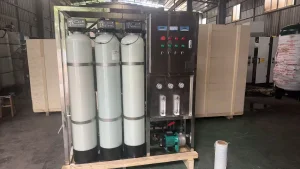
Sustainable, low-energy reverse osmosis purification systems engineered for process water integration.
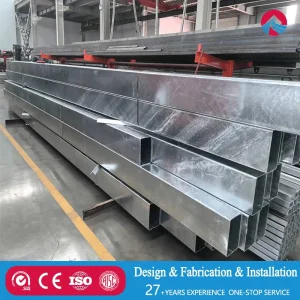
Ecologically certified building elements designed to minimize carbon footprint and enhance LEED credentials.
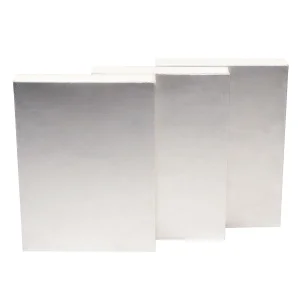
Excellent thermal resistance configuration with aluminum foil vapor barrier for modern envelopes.
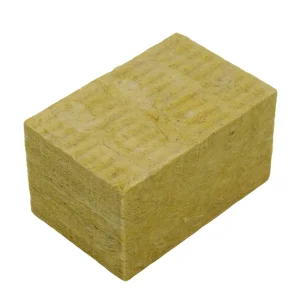
High-density stone wool matrices engineered to isolate noise transmissions and achieve Class A fire ratings.
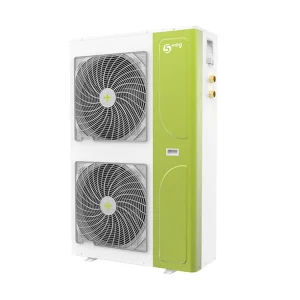
Optimized radiant hydronic tubing networks distributing thermal warmth uniformly across floor levels.
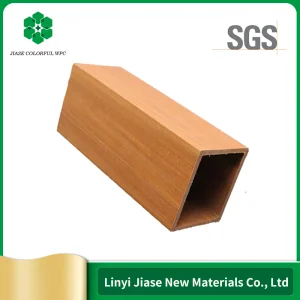
Rot-resistant, high-durability wood plastic composite profile designed to withstand structural moisture.

Architecturally striking glazing systems featuring advanced thermal break structural profiles.
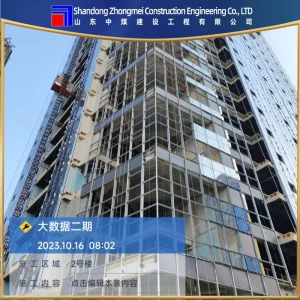
FR core panels providing high structural rigidity and exceptional resistance to flame spread.
A comprehensive analysis of thermal envelope dynamics, material composition, and structural integration in high-performance architecture.
In modern industrial, commercial, and cold-chain engineering, the ceiling assembly functions not merely as a boundary layer, but as a critical regulator of thermodynamic exchange. Dongguan Homecoxa Panels Co., Ltd. stands as a premier manufacturer of premium insulated sandwich panels, specializing in high-performance roofing, wall, and cold storage ceiling systems designed to prevent thermal bridging and atmospheric moisture migration. Our engineered panels feature structural cores bonded between pre-painted galvanized steel skins, optimizing thermal resistance and structural load-bearing performance.
The core physics of insulated ceiling systems revolve around minimizing heat transfer via conduction, convection, and radiation. Thermal conductivity, represented by the lambda value (λ), dictates the rate at which heat moves through a material. By using advanced Polyurethane (PUR), Polyisocyanurate (PIR), and high-density Rockwool cores, Homecoxa achieves exceptional thermal resistance values (R-values). For instance, our PIR sandwich panels exhibit thermal conductivities as low as 0.020 W/m·K, establishing them among the most efficient insulation materials commercially available today.
Homecoxa focuses on the research, development, and production of a wide range of insulated panel systems, including roof sandwich panels, wall panels, cold storage panels, and interior partition and ceiling solutions. All products are manufactured using advanced production lines and high-quality raw materials, ensuring excellent thermal insulation, fire resistance, durability, and structural stability. These panels are widely used in industrial plants, warehouses, cold storage facilities, cleanrooms, commercial buildings, and agricultural projects.
Driven by innovation and quality, Dongguan Homecoxa Panels Co., Ltd. continuously improves its manufacturing processes and product performance to enhance energy efficiency and reduce construction time. The company also offers customized solutions based on specific project requirements, including panel thickness, core materials, and surface finishes.
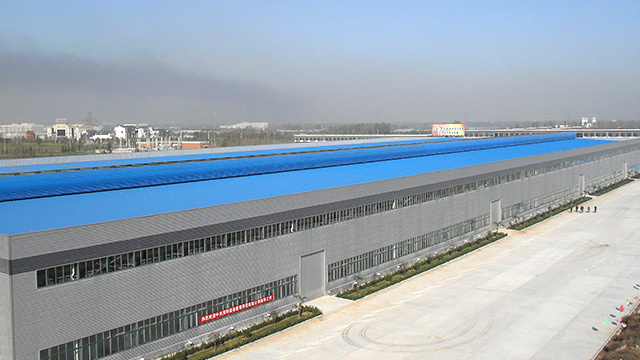
Tailored structural systems engineered to meet the stringent demands of specialized commercial and industrial sectors.
Maintaining temperature-controlled environments requires precise insulation. Our panels minimize refrigeration run-times by establishing airtight thermal barriers that resist thermal expansion and contraction cycles from -40°C to +50°C.
For cleanrooms requiring dust-free, non-outgassing surfaces, our ceiling panels incorporate flush-joint profiles and food-grade PVDF coatings. These surface coatings resist heavy chemical washes and prevent microbial colonization.
High-span industrial complexes benefit from our panels' superior strength-to-weight ratio. They reduce structural steel requirements while providing excellent acoustic dampening to control interior noise levels.
Our solutions resist high relative humidity and ammonia concentrations common in livestock housing. Specialized anti-corrosive coatings guarantee panel integrity and prevent structural decay over decades of service.
Engineered with pre-cut tongue-and-groove joints, our ceiling panels accelerate onsite assembly. This modular approach reduces installation labor costs, decreases construction waste, and speeds project completion.
Empirical metrics demonstrating our manufacturing capacity and rigorous quality standards.
How advanced production technology and optimization deliver superior cost-efficiency and logistics reliability.
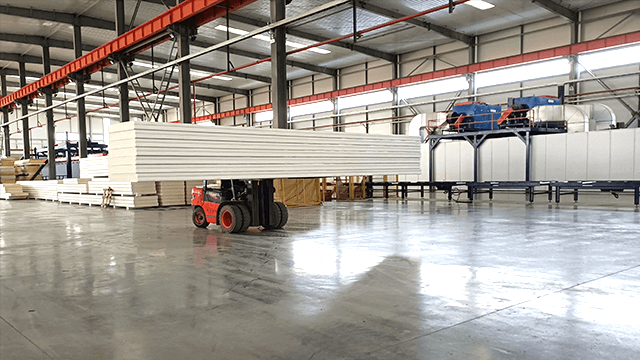
At our Dongguan facility, we use high-capacity continuous double-belt laminating lines. Liquid polyol and isocyanate chemical mixtures are high-pressure injected between metal facings, expanding under heated, controlled conditions to form a uniform core. This continuous process eliminates density variations and voids, preventing delamination and ensuring structural integrity.
With a commitment to quality, reliability, and customer satisfaction, Homecoxa has established strong partnerships with clients across global markets. The company strives to deliver sustainable, cost-effective, and easy-to-install panel solutions, supporting customers in building efficient, durable, and environmentally friendly structures worldwide.
| Core Material Option | Density Range (kg/m³) | Thermal Conductivity (W/m·K) | Fire Classification (EN 13501-1) | Key Performance Attribute |
|---|---|---|---|---|
| Rigid PU (Polyurethane) | 38 - 42 | 0.022 - 0.024 | Class B-s2, d0 | High insulation, lightweight panels |
| Rigid PIR (Polyisocyanurate) | 40 - 45 | 0.020 - 0.022 | Class B-s1, d0 | Superior flame retardation & low smoke emission |
| High-Density Rockwool | 80 - 150 | 0.038 - 0.044 | Class A1 (Non-combustible) | Exceptional structural fire barrier & sound absorption |
Exploring next-generation materials and processes shaping the future of building insulation.
We are researching ultra-thin Vacuum Insulation Panels (VIPs) and silica aerogels embedded within polymer foam cores. This hybrid approach will decrease required ceiling thickness by 40% while maintaining equivalent U-values, maximizing usable vertical interior space.
To reduce embodied carbon footprint, our laboratory is testing bio-polyols derived from vegetable oil and agricultural by-products. This green chemistry reduces fossil resource dependence while preserving the high insulation performance of PUR cores.
Future iterations of our panels can integrate IoT-enabled micro-temperature and humidity sensors. These smart sensors provide facility operators with real-time insulation performance data, highlighting thermal leaks before they cause system failures.
Evaluating international certifications, engineering specifications, and supply chain compliance protocols.
Procuring building envelope systems for global projects requires satisfying strict building codes across different jurisdictions. Homecoxa ceiling systems are designed to meet international standards including Europe's CE marking, North America's ASTM and FM approvals, and international ISO 9001 quality management procedures. By verifying mechanical and thermal performance under standard test conditions, we ensure our panels comply with local building regulations worldwide.
Our dedicated engineering department assists project developers with comprehensive load calculation tables, thermal transmittance modeling (U-value calculations), and wind-load calculations. This detail-oriented support mitigates construction risk and ensures local municipal building departments approve plans quickly.
Always verify local fire assembly rules. For example, cleanrooms in European jurisdictions typically require BS1D0 fire ratings under EN 13501-1, whereas US facilities mandate ASTM E84 Class A certification with a flame spread index (FSI) ≤ 25 and smoke developed index (SDI) ≤ 450. Homecoxa provides customized core formulas to fulfill both certification paths, ensuring compliance on international projects.
Our structural insulation panels, cleanroom ceiling networks, and industrial building elements provide durable, long-term performance.
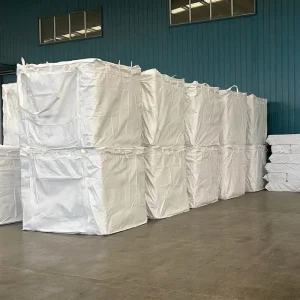
High-density mineral fibers engineered for thermal stability and noise dampening.
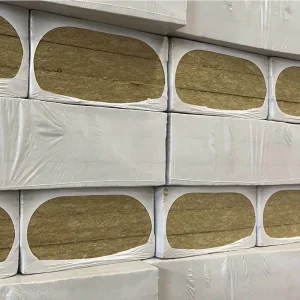
Premium grade core board optimizing structural insulation performance.
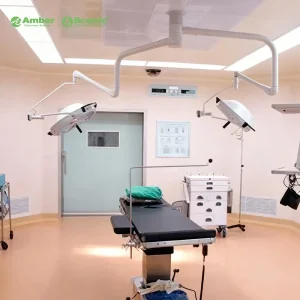
Engineered ceiling supply terminals maintaining clean laminar air distribution.
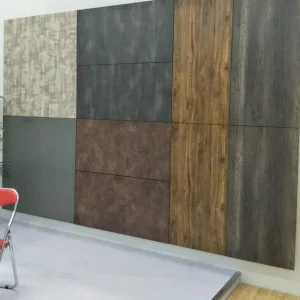
Environmentally friendly, fire-resistant board configured for sound absorption.
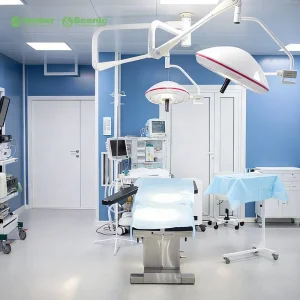
Integrated ceilings and walls engineered for critical clinical spaces.
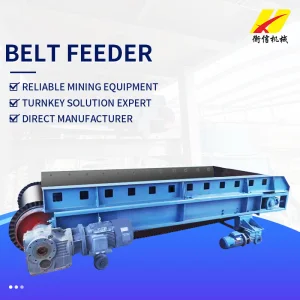
Industrial infrastructure systems designed for rugged construction applications.
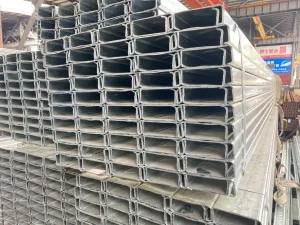
Precision steel structural components supporting secure sandwich panel assemblies.
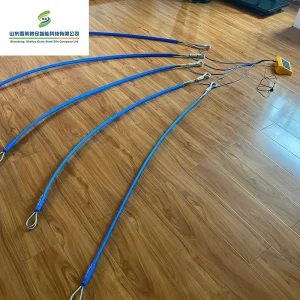
Sensors and cables monitoring agricultural storage humidity and temperature.
Detailed engineering answers regarding thermal conductivity, structural spans, and installation techniques for insulated sandwich ceiling systems.
The maximum structural span depends on panel thickness, core density, metal facing gauge, and the design load (including wind load, maintenance walk-on loads, and ceiling-hung equipment). For standard 100mm thick PIR panels with 0.5mm steel facings, typical safe spans range from 4.0 to 6.5 meters for standard walk-on applications (assuming a 100 kg point load design). For spans beyond this limit, our engineering team designs structural support hangers or integrated steel subframes to prevent panel deflection.
PIR (Polyisocyanurate) is an advanced chemical variant of PUR (Polyurethane). By increasing the proportion of MDI (methylene diphenyl diisocyanate) under specific catalytic conditions, PIR forms stronger, highly cross-linked ring structures. This chemical makeup helps PIR withstand higher temperatures, carbonizing rather than melting when exposed to flames. PIR typically achieves a European Class B-s1, d0 fire rating, whereas standard PUR usually rates as Class B-s2, d0 or Class C. PIR also maintains a slightly lower thermal conductivity (higher R-value per unit of thickness) compared to PUR.
Thermal bridging is prevented through precision panel joints and vapor-tight connections. We use continuous tongue-and-groove joint profiles factory-fitted with high-density EPDM gaskets or PVC thermal breaks. During installation, applying a continuous bead of non-setting vapor barrier sealant along the cold side of the panel joint prevents air leakage and vapor transmission. Structural suspension systems are hung from external support structures using insulated rod hangers or thermal break washers to prevent localized condensation.
In environments exposed to daily sanitization cycles, chemical disinfectants, or high moisture, standard galvanized coatings can degrade. To prevent this, we specify specialized polymer protective finishes such as PVDF (Polyvinylidene Fluoride) or PET (Polyethylene Terephthalate) laminates over zinc-aluminum alloy steel substrates. These high-durability coatings resist chemical corrosion and scratching, preventing moisture from reaching the underlying steel.
Yes. Our panels are fully compatible with Class 100 cleanroom laminar flow systems. The ceiling panels can be factory-pre-cut or field-modified using standard routing tools to accept modular HEPA filter fan units (FFUs), light fixtures, and digital control integration systems. The airtight interlocking joints prevent bypass air leakage, maintaining the pressure differentials required in pharmaceutical, semiconductor, and medical operating room cleanrooms.
 Homecoxa Panels