Explore our top-tier collection of high-performance insulation systems, composite panel structures, and engineering materials. Engineered to maximize R-values, guarantee fire safety, and maintain structural integrity across industrial, commercial, and cleanroom environments globally.
In the era of rapid structural shift toward global carbon neutrality, the insulation sector has transitioned from a basic construction material to a critical driver of thermodynamics, energy containment, and environmental performance. Deep structural insulation is now at the forefront of major industrial designs, commercial real estate development, high-density residential buildings, and sophisticated scientific ecosystems. Global frameworks—including the European Union's Energy Performance of Buildings Directive (EPBD), US ASHRAE standards, and rigorous regional green building directives—increasingly mandate insulation envelopes that deliver long-term thermal resistance, low thermal bridging, and structural longevity.
Traditional materials, such as low-grade mineral wool and basic expanded polystyrene (EPS), are being superseded by engineered composite systems like polyisocyanurate (PIR), polyurethane (PUR), and advanced vacuum insulation panels (VIP). The search for high performance is driven by the industry's need to control structural heat flow ($\lambda$-values falling below 0.020 W/m·K) and ensure compliance with life safety certifications (such as ASTM E84, EN 13501-1 Class A2/B1, and FM Global approvals). As projects prioritize sustainability, developers and procurement managers demand custom OEM solutions that integrate structural panels, acoustic dampening, waterproofing, and high fire resistance into unified assemblies.
Procurement directors and engineering specialists face a complex set of requirements when designing structural building envelopes. The purchasing matrix extends beyond simple unit costs to include Total Cost of Ownership (TCO), logistical risk mitigation, certification verification, and supply chain transparency. As a result, global engineering networks seek OEM manufacturers capable of producing custom composite profiles tailored to specific regional climatic profiles, seismic ratings, and safety regulations.
Securing higher thermal efficiency over the building's operating life is critical. Advanced composite insulation materials rely on cyclopentane or clean hydrofluoroolefins (HFO) blowing agents to maintain cell structure. This limits thermal degradation from gas diffusion and ensures stable performance over time.
Different territories demand strict testing profiles. European markets mandate CE marking and EN 13501-1 certification, while American projects require ASTM E84 flame spread ratings under 25, FM 4880 approvals, and UL listings. Advanced OEM services build these compliance paths into the initial material formulation phase.
Rising global labor costs demand quick-install structural solutions. Standardized, pre-engineered interlocking joint details (such as double tongue-and-groove systems) reduce on-site crane time, minimize thermal bridging at panel intersections, and lower the risk of installation errors.
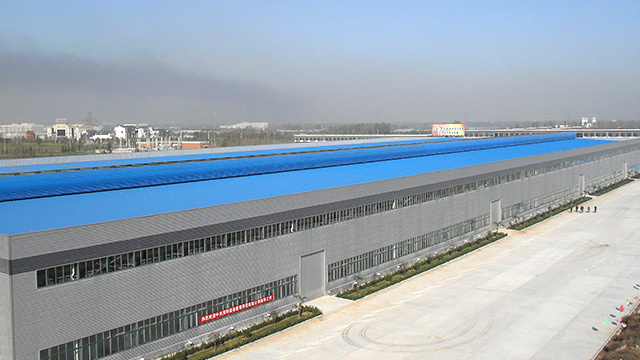
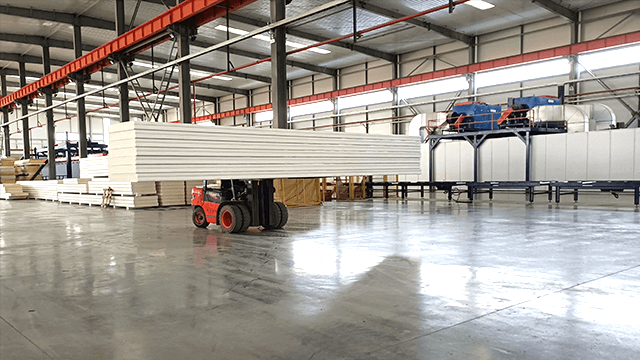
Modern high-performance insulation manufacturing requires advanced technological precision. Leading Chinese manufacturing operations have transitioned to Industry 4.0 practices, utilizing fully automated production systems to ensure uniform physical properties across high-volume production runs. From chemical component selection in computerized blending rooms to precise continuous double-belt lamination, automation limits the structural variations common in manual operations.
This automated system is central to OEM flexibility. Computerized control networks quickly recalibrate line configurations, allowing for shifts in core thickness (ranging from 50mm to over 250mm), customized edge geometries, and diverse facer layers—such as textured galvanized steel, stucco-embossed aluminum, or flexible fiberglass mats. In addition, integrated inline curing ovens, laser-guided profiling, and real-time ultrasonic quality controls monitor cell density and core-to-skin adhesion, minimizing the risk of post-installation delamination.
Crucially, these manufacturing capabilities are supported by strong supply chain ecosystems. Production facilities maintain direct access to regional downstream chemical suppliers (providing high-grade MDI, polyols, and eco-friendly blowing agents) and steel processing plants. By grouping raw-material sourcing, tooling design, and manufacturing within unified industrial corridors, Chinese OEM exporters mitigate supply chain disruptions, shorten lead times, and maintain stable pricing structures amid global market fluctuations.
Dongguan Homecoxa Panels Co., Ltd. is a professional insulated sandwich panel manufacturer specializing in roofing, wall, and cold storage solutions. With years of industry experience, the company is dedicated to providing high-performance building materials that meet the evolving demands of modern construction and cold chain infrastructure.
Homecoxa focuses on the research, development, and production of a wide range of insulated panel systems, including roof sandwich panels, wall panels, cold storage panels, and interior partition and ceiling solutions. All products are manufactured using advanced production lines and high-quality raw materials, ensuring excellent thermal insulation, fire resistance, durability, and structural stability. These panels are widely used in industrial plants, warehouses, cold storage facilities, cleanrooms, commercial buildings, and agricultural projects.
Driven by innovation and quality, Dongguan Homecoxa Panels Co., Ltd. continuously improves its manufacturing processes and product performance to enhance energy efficiency and reduce construction time. The company also offers customized solutions based on specific project requirements, including panel thickness, core materials, and surface finishes.
With a commitment to quality, reliability, and customer satisfaction, Homecoxa has established strong partnerships with clients across global markets. The company strives to deliver sustainable, cost-effective, and easy-to-install panel solutions, supporting customers in building efficient, durable, and environmentally friendly structures worldwide.
Selecting the correct insulation system requires matching mechanical properties, thermal limits, and chemical compositions to the project's parameters. Below is a comparative engineering overview of modern commercial-grade core materials used in global OEM fabrication.
| Insulation Core Type | Thermal Conductivity ($\lambda$ - W/m·K) | Compressive Strength (kPa) | Fire Classification (EN/ASTM) | Primary Industrial Use Case |
|---|---|---|---|---|
| Polyisocyanurate (PIR) | 0.019 - 0.022 | 150 - 220 | B-s1, d0 / Class 1 (FM Approved) | High-Rise Envelopes, Cold Storage, Industrial Roofs |
| Polyurethane (PUR) | 0.021 - 0.024 | 140 - 180 | B-s2, d0 / Class 2 | Refrigerated Transport, Walk-in Freezers, Ducting |
| Rockwool / Mineral Fiber | 0.035 - 0.040 | 60 - 100 | A1 / Non-combustible | High-Risk Petrochemical Facilities, Sound Barriers |
| Expanded Polystyrene (EPS) | 0.033 - 0.038 | 70 - 150 | E / Class B | Cost-sensitive modular housing, temporary shelters |
| Vacuum Insulation Panels (VIP) | 0.004 - 0.008 | 120 - 200 | B-s1, d0 (varies by cladding) | Cryogenic Research, Ultra-low logistics, Space-saving walls |
Advanced insulation materials must perform reliably across diverse, demanding environmental conditions. Custom-engineered structural components are designed to adapt to specific localized stresses, including thermal gradients, seismic activity, chemical exposure, and humidity challenges:
In logistics centers in hot regions (such as GCC countries or Southeast Asia), temperature differences between the exterior and interior can exceed 60°C. OEM PIR and PUR core systems, with thick steel facings and vapour barriers, prevent interstitial condensation. This controls thermal heat load and reduces HVAC energy consumption.
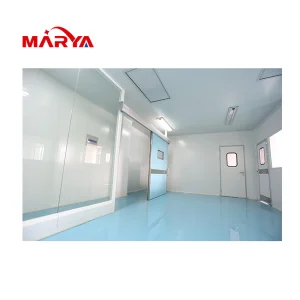
In biotech and semiconductor facilities, wall materials must resist regular sanitization with aggressive chemical agents. Flush-fitting modular cleanroom panels with chemical-resistant PVC, PVDF, or stainless steel coatings prevent micro-particle buildup and chemical degradation.
Marine environments accelerate standard metal rust. For seaside industrial complexes, OEM specifications require protective structural coats (such as 275 g/m² zinc coatings with PVDF paint layers or FRP composite surfaces) to prevent salt-spray degradation and structural wear.
Under Search Quality Rater guidelines, reliable information requires validation by qualified professionals. In the structural engineering field, this verification relies on independent third-party laboratories. Specifiers and engineers must verify that manufacturing partners hold current test reports from accredited institutions (such as SGS, Intertek, or TÜV Rheinland).
Key performance indicators, such as thermal resistance (ASTM C518), fire spread (ASTM E84), compression performance (EN 826), and water vapour permeability (ASTM E96), should not rely on unverified claims. Reliable OEM manufacturing partners provide complete traceability, including factory inspection reports, mill test certificates (MTC) for steel components, and chemical formulations that comply with environmental standards like REACH and RoHS.
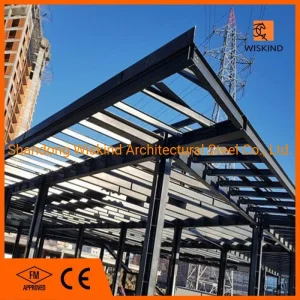
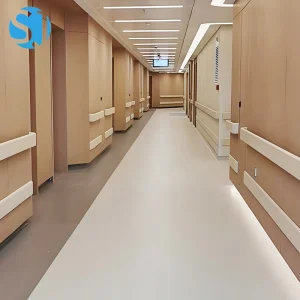
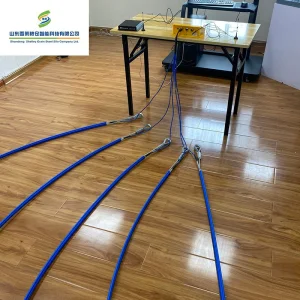
Complete your building design with our structural framing systems, high-durability wall protection elements, custom thermal coatings, and sensor cables.
 Homecoxa Panels