High-precision envelope elements designed to reduce thermal bridging, accelerate build time, and fulfill stringent low-energy design paradigms globally.
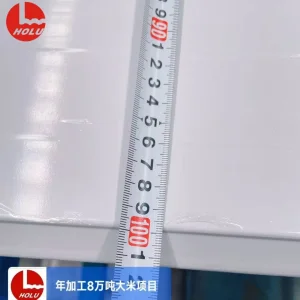
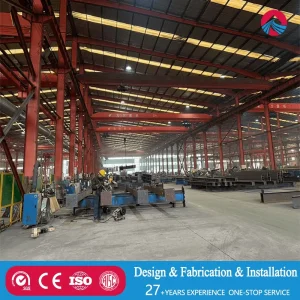
As global regulatory bodies accelerate policies targeting Net-Zero Energy Buildings (NZEB), modern architectural designs demand envelope solutions that deliver exceptional thermal resistance while drastically cutting carbon footprints. Modern commercial, industrial, and agricultural infrastructures now consume approximately 30% of global end-use energy, emphasizing the crucial need for optimal envelope engineering.
Thermal insulation is no longer evaluated as a secondary cladding layer; instead, it is designed as a core structural element. Globally, strict energy directives—such as the European Energy Performance of Buildings Directive (EPBD) and the American ASHRAE 90.1 standard—have elevated required structural R-values. B2B procurement managers and project designers must look past traditional materials toward advanced continuous-lamination sandwich panels. These composite systems provide reliable thermal boundaries while reducing installation stages.
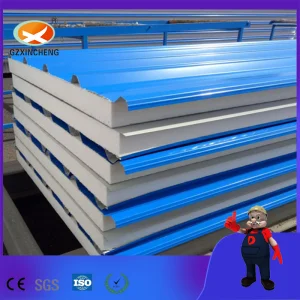
From an ESG and life-cycle perspective, using customized OEM panels drastically cuts construction waste, mitigates thermal bridging at panel junctions, and decreases structural load requirements thanks to high strength-to-weight ratios. The integration of high-performance cores such as PIR (Polyisocyanurate), PUR (Polyurethane), and premium fire-retardant EPS (Expanded Polystyrene) enables contractors to minimize wall thickness while achieving target U-factors. This delivers more rentable internal floor area without sacrificing thermal performance.
Dongguan Homecoxa Panels Co., Ltd. is a professional insulated sandwich panel manufacturer specializing in roofing, wall, and cold storage solutions. With years of industry experience, the company is dedicated to providing high-performance building materials that meet the evolving demands of modern construction and cold chain infrastructure.
Homecoxa focuses on the research, development, and production of a wide range of insulated panel systems, including roof sandwich panels, wall panels, cold storage panels, and interior partition and ceiling solutions. All products are manufactured using advanced production lines and high-quality raw materials, ensuring excellent thermal insulation, fire resistance, durability, and structural stability. These panels are widely used in industrial plants, warehouses, cold storage facilities, cleanrooms, commercial buildings, and agricultural projects.
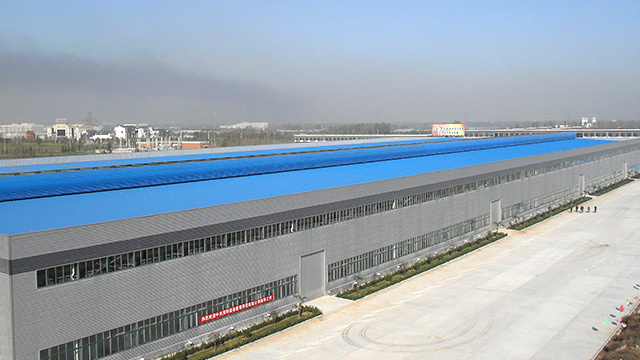
Driven by innovation and quality, Dongguan Homecoxa Panels Co., Ltd. continuously improves its manufacturing processes and product performance to enhance energy efficiency and reduce construction time. The company also offers customized solutions based on specific project requirements, including panel thickness, core materials, and surface finishes.
With a commitment to quality, reliability, and customer satisfaction, Homecoxa has established strong partnerships with clients across global markets. The company strives to deliver sustainable, cost-effective, and easy-to-install panel solutions, supporting customers in building efficient, durable, and environmentally friendly structures worldwide.
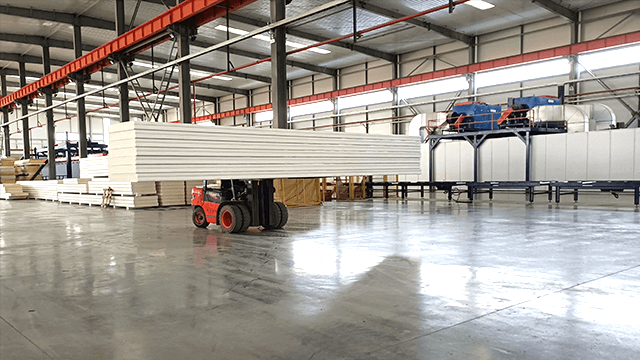
Engineering a modern facility requires thermal components that can adapt to high stress loads, biological requirements, and varying mechanical factors. Custom OEM building insulation addresses these challenges by replacing field-applied insulation systems with pre-engineered, factory-controlled components. The structural integrity of our structural wall and ceiling panels stems from combining rigid insulation cores with protective exterior metal skins.
Engineered with a high index of cross-linked isocyanurate polymers, providing excellent R-values and inherent self-extinguishing behavior under fire exposure.
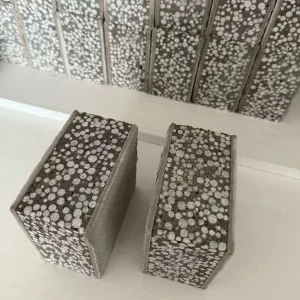
Premium, high-density nonmetal composite systems that combine cost efficiency with reliable Class B/A2 safety compliance for lightweight partition designs.
Formulated with premium structural skins (G90 Galvanized, Galvalume, or PVDF coatings) to resist high wind loads and harsh environmental exposure.
Navigating global building jurisdictions requires a comprehensive understanding of regional certifications. Our industrial panels are manufactured to align with the critical parameters demanded by global inspectors and regulatory frameworks:
High-efficiency insulated systems are essential across various critical commercial, industrial, and clinical environments. Each application requires careful consideration of mechanical, clean, or thermodynamic factors:
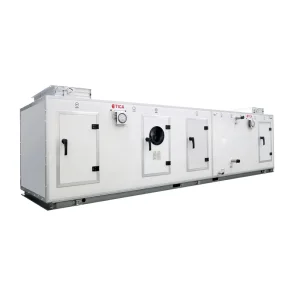
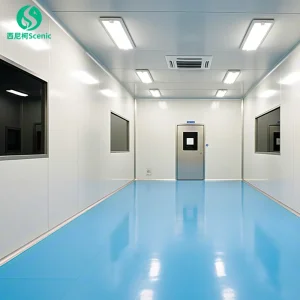
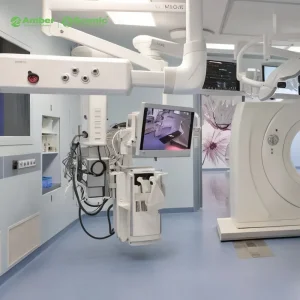
In surgical settings, pharmaceutical synthesis hubs, and semiconductor processing units, air purity and easy sanitization are critical. Combining modular cleanroom partition systems with cleanroom air units creates a secure, sterile space. Interlocking joints prevent cleanroom depressurization, while anti-microbial outer skins resist chemical washdowns, preventing micro-particle accumulation and bacterial growth.
From deep-freeze facilities holding vaccine stocks at -70°C to high-throughput agricultural distribution hubs, maintaining precise temperature control is critical. A secure thermal envelope prevents thermal leaks and ice buildup along panel joints. Custom continuous tongue-and-groove joints, sealed with vapor-barrier elastomeric compounds, maintain system efficiency over decades of operation.
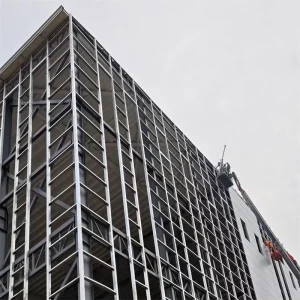
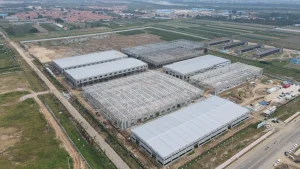
Large-span structures like industrial manufacturing sheds, prefabricated hangars, and logistics hubs require structural strength and long-lasting durability. The integration of high-grade structural framing with thermal sandwich panels enables engineers to extend span distances and reduce secondary framing requirements. The result is a highly efficient building envelope that lowers peak cooling requirements in hot regions and retains heat in colder climates.
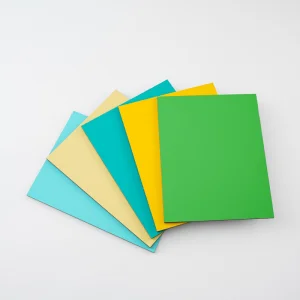
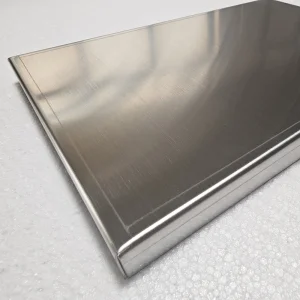
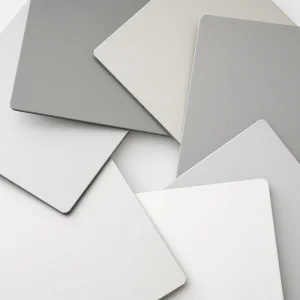
For high-rise commercial office developments, high-end retail venues, and institutional campus assets, aesthetics must match thermal performance. Composite structural elements—such as lightweight composite stone honeycombs and aluminum composite panel systems—enable engineers to design striking external profiles. These composite cladding assemblies protect structural frames against weather exposure while maintaining a consistent thermal boundary.
The insulation industry is undergoing significant transformation driven by material science breakthroughs and ambitious carbon-neutral goals. Looking ahead, custom OEM insulation manufacturing is transitioning toward intelligent, bio-based, and highly integrated thermal management systems:
Direct answers to crucial structural, chemical, and thermodynamic questions faced by project developers and international procurement professionals.
PIR (Polyisocyanurate) and standard Polyurethane (PUR) cores provide superior thermal resistance, achieving lambda values as low as 0.022 W/m·K. This allows for thinner panel configurations to achieve the target R-value compared to EPS. EPS (Expanded Polystyrene) cores offer a lightweight, cost-effective option ideal for internal partition walls, packaging applications, and projects with moderate load and temperature requirements.
To prevent thermal bridging, our custom OEM panels feature precision-machined interlocking tongue-and-groove or cam-lock joints. During installation, these joints are sealed with expanding polyurethane foam or specialized elastomeric vapor gaskets. This design creates a continuous thermal boundary across the wall or roof assembly, preventing condensation risks, air leakage, and thermal bypass.
For sanitary and sterile environments, we customize panels with food-grade steel coatings like PVC Plastisol, PET laminates, or specialized antimicrobial layers. These finishes resist high-pressure water washdowns, aggressive cleaning chemicals, and sanitizing solutions, preventing mold, bacterial growth, and corrosion in food processing and pharmaceutical facilities.
Our sandwich composite panels function as structural box beams. The rigid core bonds to the metal outer skins, distributing shear loads effectively across the entire composite structure. The panel's load-carrying capacity is determined by its core density, skin thickness, and profile depth, allowing it to withstand high winds over long spans with minimal structural deflection.
For seismic zones, we offer lightweight wall panel systems combined with flexible fastener details. The high strength-to-weight ratio of these composite panels reduces the overall building mass, lowering inertial seismic forces. Under seismic shifts, the panel fasteners absorb movement without causing catastrophic damage to the building envelope.
Explore additional high-performance solutions for architectural facades, structural support, drainage systems, and specialized cleanroom monitoring.
 Homecoxa Panels