The prefabricated construction industry is rapidly evolving, with market growth expected to reach $157 billion by 2025. However, ensuring quality remains a significant challenge. Many projects fail due to inconsistencies in materials and workmanship. Experts stress that knowing how to ensure quality in prefabricated construction is critical for success. As noted by Dr. Sarah Thompson, a leading construction quality consultant, "Quality is not just a goal; it is a process that begins before the first component is manufactured."
Adopting best practices can enhance quality in prefabrication. For example, standardized manufacturing processes are imperative. Studies indicate that projects using controlled environments for component assembly have a 30% reduction in defects. Yet, even with standards in place, attention to detail is often overlooked. Many in the field underestimate the importance of thorough inspections throughout the construction lifecycle.
Quality assurance cannot be an afterthought. It requires collaboration among architects, engineers, and contractors from the beginning. Many stakeholders still struggle with communication, which can lead to errors. Without a unified approach, even the best materials can result in subpar outcomes. As the industry continues to expand, the focus on how to ensure quality in prefabricated construction must remain at the forefront.
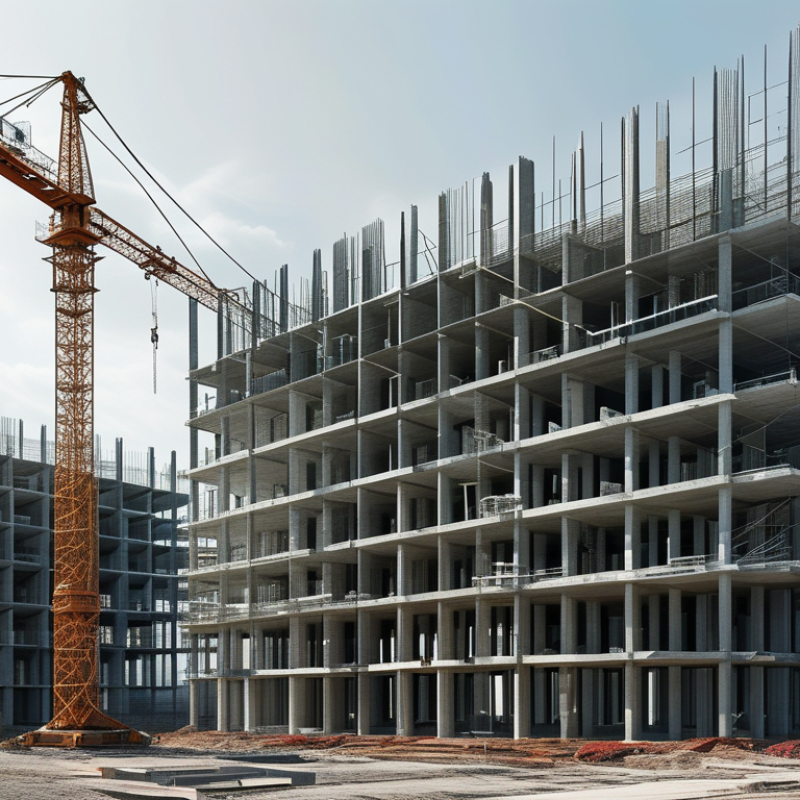
Prefabricated construction has emerged as a significant method in the building industry. This approach allows for components to be manufactured in a controlled environment before being transported to the construction site. This process helps in maintaining quality and reducing waste. However, understanding its importance requires a deeper look.
The efficiency of prefabrication can lead to faster project completion. Components are often built parallel to site preparation. This overlap saves time and often reduces labor costs. Quality control is enhanced because factories can ensure consistency. Yet, some may overlook the complexity of logistics. Poor planning can lead to delays and increased costs. Additionally, while this method offers numerous advantages, it can limit design flexibility.
Prefabricated construction has a steady rise in popularity. It addresses various challenges in traditional building methods. Yet, stakeholders must remain vigilant about quality control. Ensuring a unified understanding between design and construction teams is vital. Mistakes in communication can result in mismatched expectations. Ultimately, prefabrication can revolutionize the industry, but care must be taken to avoid common pitfalls.
Quality assurance in prefabricated construction is crucial for achieving reliable and efficient outcomes. One key practice is thorough inspection of materials. Ensuring that each component meets industry standards can help reduce errors. Regular quality checks during manufacturing also play a vital role. This helps identify defects before assembly on site.
Training the workforce is another significant aspect. Skilled workers are less likely to make mistakes. They understand the importance of precision. Continuous training encourages adherence to best practices. Moreover, implementing standardized processes helps streamline operations. Yet, sometimes these standards can lead to rigidity, restricting creative solutions.
Feedback loops are essential in this field. Regular communication among teams fosters a culture of quality. Issues can be identified and corrected in real-time. However, relying solely on past experiences may lead to complacency. It's important to remain open to new techniques. Quality assurance practices must evolve to adapt to changing demands in construction.
| Quality Assurance Practice | Description | Importance | Example |
|---|---|---|---|
| Standardized Manufacturing Processes | Implement consistent manufacturing practices to ensure uniformity. | Ensures product consistency and minimizes defects. | Use of detailed assembly line instructions. |
| Regular Quality Audits | Conduct scheduled inspections and audits on processes and products. | Identifies issues before they escalate. | Monthly inspections of components. |
| Material Quality Control | Ensure all materials used meet specified standards. | Reduces risk of structural failures. | Testing batches of raw materials. |
| Skilled Workforce | Employ workers with the right skills and training. | Enhances quality through expertise. | Training programs for assembly workers. |
| Comprehensive Documentation | Maintain detailed records of processes and inspections. | Facilitates tracking and accountability. | Usage of digital project logs. |
| Feedback Mechanism | Implement systems to gather feedback from stakeholders. | Improves future processes based on lessons learned. | Surveys from construction team members. |
| Technology Integration | Utilize modern technology for design and manufacturing. | Can enhance precision and efficiency. | Using CAD software for modeling. |
| Sustainability Practices | Incorporate eco-friendly materials and processes. | Addresses environmental impact and regulatory compliance. | Using recycled materials for production. |
| Continuous Improvement Culture | Foster an environment where improvement is constant. | Drives innovation and quality enhancement. | Regular team meetings to discuss improvements. |
Material selection plays a crucial role in ensuring durability and performance in prefabricated construction. Studies indicate that approximately 70% of construction failures stem from inadequate material choices. Selecting high-quality materials can significantly extend the lifespan of a structure. For example, using engineered wood rather than traditional lumber can reduce swelling and warping, leading to fewer repairs and lower maintenance costs.
Another aspect to consider is the environmental impact. Reports suggest that prefabricated buildings often utilize recycled or sustainable materials, which can reduce the carbon footprint by up to 30%. However, not all materials classified as "green" meet the same performance standards. It's vital to scrutinize and validate the properties of these materials before use. While some projects might lean towards cost savings, ignoring performance for the price can be a costly mistake in the long run.
Additionally, it’s essential to address local climate conditions in material selection. For instance, buildings in humid environments require materials that resist mold and decay. Choosing materials without considering these factors can lead to structural failures. The balance between cost, performance, and durability remains a nuanced challenge in prefabricated construction. Continuous feedback from industry professionals helps in refining these choices to promote lasting quality.
Ensuring compliance with standards and regulations is crucial in prefabricated construction. According to a report by the National Institute of Standards and Technology (NIST), over
40% of construction projects face delays due to regulatory non-compliance. This emphasizes the need for effective adherence to industry standards.
Regulatory frameworks such as the International Building Code (IBC) and local building regulations create a baseline for safety and quality. Employing a
systematic approach to compliance can mitigate risks. Companies often rely on third-party audits to verify that prefabricated components meet these standards. Such audits can increase confidence among stakeholders.
However, compliance isn’t always flawless. Inadequate training and miscommunication can lead to lapses. A study from McKinsey shows that
70% of construction projects exceed their budget, often due to compliance issues. Continuous education and clear communication channels are essential for overcoming these challenges in
prefabrication.
Quality control plays a vital role in prefabricated construction. This method allows for precise monitoring of materials and processes. Integrating quality checks early in the construction stages helps identify issues before they escalate. Regular inspections should be conducted at various phases. Poor craftsmanship discovered late can lead to costly delays.
Throughout the entire process, involving skilled professionals is crucial. They provide insights that enhance quality. Workers trained in best practices contribute to better outcomes. Not all projects incorporate these measures adequately. Some teams overlook crucial quality control steps.
Documentation serves as an important tool. Keeping records of inspections and reviews creates accountability. However, finding the balance between thorough checks and project timelines can be challenging. Teams often rush through quality assessments under tight deadlines, risking end results. Continuous reflection on procedures can lead to improvements, ensuring better quality in future projects.
: Prefabricated construction involves manufacturing building components in controlled environments before transporting them to the site.
Material selection is crucial because poor choices can lead to structural failures and increased maintenance costs over time.
Components are constructed simultaneously with site preparation, which saves time and can lower labor costs.
They often use recycled or sustainable materials, potentially reducing the carbon footprint by up to 30%.
Quality control ensures consistent materials and processes, helping to catch issues early and avoiding costly delays.
Poor logistics, misunderstood communications, and a lack of quality checks can lead to mismatched expectations and project failures.
In humid areas, materials must resist mold and decay. Ignoring this can cause significant structural issues.
Documentation keeps track of inspections, fostering accountability, but can be rushed during tight deadlines.
Balancing thorough quality checks with the need to meet timelines can sometimes lead to compromised results.
Ongoing input from professionals helps refine material choices and processes, leading to improved durability and quality.
In the realm of prefabricated construction, understanding its significance is crucial for achieving optimal results. This article outlines the top 10 ways to ensure quality in prefabricated construction by emphasizing key quality assurance practices. Among these practices, careful material selection plays a pivotal role in guaranteeing both durability and performance, ensuring that prefabricated elements can withstand the test of time.
Furthermore, compliance with established standards and regulations is essential to uphold construction integrity. Integrating quality control throughout the construction process enables consistent monitoring and allows for immediate adjustments, fostering an environment where quality is prioritized at every stage. By implementing these strategies, stakeholders can effectively enhance the quality and reliability of prefabricated construction projects.

Homecoxa Panels