In today's fast-paced construction industry, efficiency is paramount. Builders and developers constantly seek methods to speed up project timelines. One approach gaining traction is the use of prefabricated materials. Learning how to reduce construction time with prefabricated materials can significantly impact project delivery.
Prefabrication allows components to be manufactured off-site. This process minimizes delays associated with traditional building methods. For instance, wall panels and modules can be constructed in a controlled environment, reducing weather-related interruptions. Such advantages are turning the industry’s focus toward innovative building practices.
However, challenges exist. Not all projects benefit equally from prefabrication. Customization may be limited, and the initial investment could be higher. Balancing the need for speed with quality is crucial. Exploring how to reduce construction time with prefabricated materials presents opportunities but also requires careful consideration of potential trade-offs.
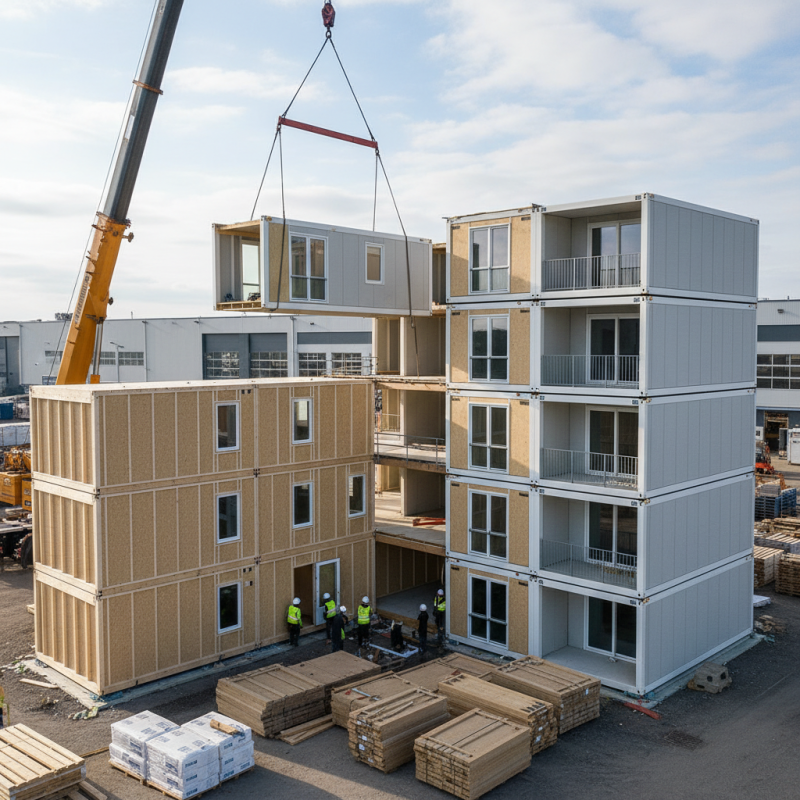
Prefabricated materials are transforming the construction industry. They offer a streamlined approach, leading to reduced construction time. Components are manufactured off-site, which minimizes delays related to weather and on-site labor. This process enhances efficiency. Buildings can be assembled quickly, cutting weeks or even months from project timelines.
The benefits extend beyond speed. Prefabricated materials improve quality control, as they are produced in controlled environments. This consistency results in fewer errors. Additionally, there’s less waste generated on-site. Reduced waste leads to lower disposal costs and promotes sustainability. While the initial investment might seem higher, long-term savings through efficiency and reduced labor can be significant.
However, challenges remain. Coordination between off-site and on-site teams can be complex. Communication issues may arise, impacting scheduling. It's crucial to address these challenges proactively. Planning and flexibility are key. Adopting prefabricated materials requires adjustment, but the potential advantages are substantial for those willing to rethink traditional construction methods.
Prefabricated materials in construction are gaining attention for their efficiency. Recent studies reveal significant energy and time savings when using these methods. For instance, using prefabricated components can cut construction time by up to 30%. This means faster project delivery and reduced labor costs, which benefit the entire industry.
One insightful statistic indicates that projects utilizing prefabrication can save up to 20% on energy consumption during the build. This not only decreases costs but also lowers the carbon footprint of construction projects. However, some builders still face challenges when adapting to prefabrication. Miscommunication and lack of training can lead to errors.
It's vital to recognize that while prefabrication presents numerous benefits, it isn't a one-size-fits-all solution. Some projects may require unique customization that offsite construction can't accommodate easily. Still, as we explore these methods, more data from real-world applications will illuminate their true potential.
| Project Type | Construction Time (Traditional) | Construction Time (Prefabricated) | Time Saved (%) | Energy Consumption Reduction (%) |
|---|---|---|---|---|
| Residential Houses | 10 months | 7 months | 30% | 25% |
| Commercial Buildings | 15 months | 10 months | 33% | 20% |
| Industrial Facilities | 12 months | 8 months | 33% | 22% |
| Healthcare Facilities | 18 months | 12 months | 33% | 18% |
Case studies highlight the effectiveness of prefabricated materials in construction. One notable project involved a community center built using modular components. The project faced a tight deadline due to community needs. By using prefabricated sections, the construction team reduced on-site work significantly. This approach ensured that the center opened within months.
Another example is a residential building project. Traditional methods would have taken over a year. Instead, the use of prefabricated walls and roofs shortened the timeline to just weeks. The developers acknowledged challenges with transport logistics. Coordination was essential to avoid delays during shipment. Despite minor setbacks, the project was completed ahead of schedule.
While these projects were successful, not every aspect was flawless. Some teams struggled with integrating prefabricated parts seamlessly. Ensuring quality control was a continuous effort. Learning from these experiences can pave the way for future improvements. Prefabricated solutions are promising but require careful planning to achieve full potential.
Efficient prefabrication involves several techniques that can significantly reduce construction time. One approach is modular design. By designing buildings in sections, each section can be constructed simultaneously at a different location. This method not only streamlines production but also allows for faster on-site assembly. Ensure that the pieces fit together precisely to avoid delays during installation.
Another technique is advanced manufacturing processes. Utilizing computerized cutting and fabrication ensures precision and reduces waste. Implementing lean construction practices further enhances efficiency. Close coordination among teams can prevent issues related to scheduling and materials. Communication often breaks down during construction. Regular check-ins can mitigate misunderstandings.
On-site assembly is critical to maximizing the benefits of prefabrication. Workers must be trained in quick assembly techniques. They should understand the importance of safety and efficiency during this phase. Equipment choices also matter; using cranes designed for quick hoisting can save time. Reflecting on past projects can reveal what went wrong, helping teams improve their processes.
Prefabricated construction offers numerous benefits, including reduced time frames and enhanced efficiency. However, several challenges arise during its implementation. One significant hurdle is the integration of prefabricated components into traditional building methods. This can lead to delays if teams are not trained adequately. It’s vital to ensure that all workers understand the new systems. Communication between design and construction teams is essential.
Additionally, logistics can pose a serious challenge. Transporting large prefabricated elements requires careful planning. Delays can occur due to road conditions or permits. Project managers must account for these factors to streamline the timeline. Collaboration with local authorities and logistical experts can mitigate these issues.
Finally, quality control is critical. While prefabricated parts are often manufactured under controlled conditions, on-site conditions can create discrepancies. Therefore, regular inspections throughout the building process are necessary. Addressing these challenges, although complex, can ultimately lead to more efficient construction timelines.
: Prefabricated materials can reduce construction time by up to 30%. They also save about 20% on energy consumption.
Using prefabrication allows for faster project delivery, which can lead to lower labor costs and improved efficiency.
Builders often struggle with miscommunication and a lack of training. These issues can lead to errors in construction.
No, prefabrication isn't a one-size-fits-all solution. Unique projects may require customization that offsite construction can't easily provide.
Transporting large elements can pose challenges. Delays due to road conditions or permits must be planned for to avoid issues.
Regular inspections are necessary to address discrepancies between manufactured parts and site conditions. Quality control requires continuous effort.
A community center was built quickly with prefabricated components, reducing on-site work significantly and meeting tight deadlines.
The residential project timeline was shortened from over a year to just weeks by using prefabricated walls and roofs.
Effective communication between design and construction teams is vital to ensure all workers adapt to new systems properly.
Learning from integration struggles and quality control challenges can provide valuable insights for future prefabricated construction improvements.
The article "How to Reduce Construction Time with Prefabricated Materials" explores the numerous advantages of utilizing prefabricated materials, emphasizing their ability to significantly cut down construction time. By examining statistical insights, it highlights the energy and time savings achieved through prefabrication, illustrating its effectiveness in streamlining building processes.
Additionally, the article presents case studies of successful projects that have implemented prefabricated solutions, showcasing real-world applications and outcomes. It further discusses various techniques for efficient prefabrication and on-site assembly, as well as the challenges faced during the adoption of these methods and potential solutions to overcome them. Through a detailed analysis, the article serves as a comprehensive guide for those looking to optimize construction efficiency.

Homecoxa Panels