In today's construction landscape, insulated panels hold immense significance. As noted by Dr. Emily Thompson, a leading expert in sustainable building materials, "Insulated panels revolutionize energy efficiency in construction." This highlights their critical role in modern building practices.
Why are insulated panels important in modern construction? They offer unparalleled thermal performance. This reduces energy consumption and lowers heating and cooling costs. Buildings designed with these panels often achieve better energy ratings, an essential factor in green building certifications. However, challenges remain. Some may overlook the upfront costs versus long-term savings.
Additionally, insulated panels contribute to faster construction timelines. Their lightweight design allows for quicker assembly and fewer labor costs. Yet, it’s vital for builders to choose the right materials. Not all panels provide the same insulation or resilience. Balancing quality and cost can be complex, but the benefits often outweigh the drawbacks. Ultimately, understanding the advantages of insulated panels is crucial for builders aiming to create efficient and sustainable structures.
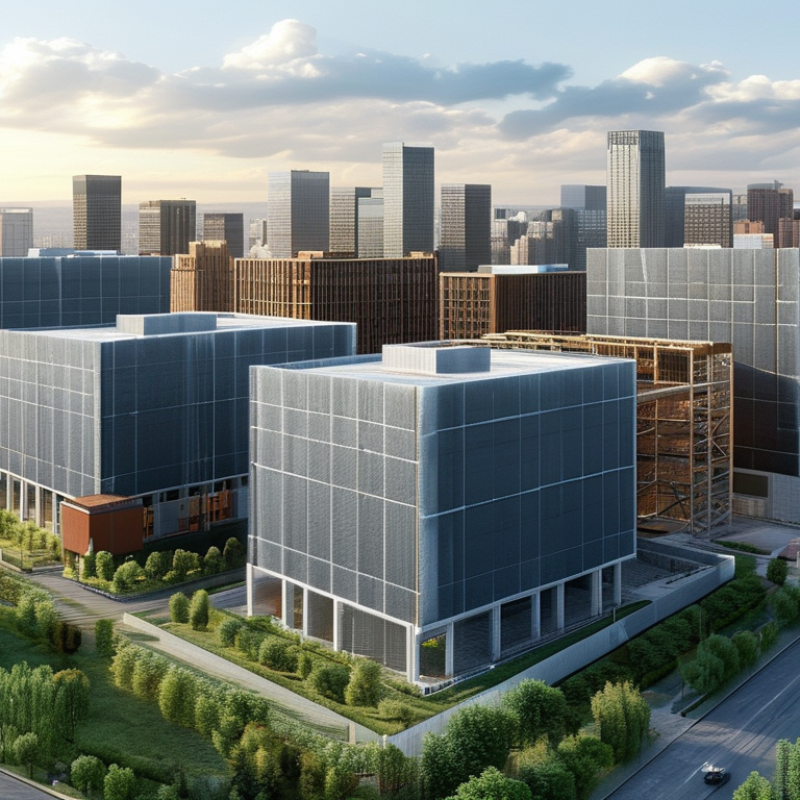
Insulated panels play a crucial role in modern construction. These panels consist of two outer layers, typically made of metal or concrete, with a core of insulation material. This design offers superior thermal performance, helping to regulate indoor temperatures and reduce energy consumption. Reports indicate that buildings with insulated panels can achieve a 20-30% decrease in energy use. This reduction is notable, especially as energy efficiency becomes a primary concern in today's eco-conscious environment.
The functionality of insulated panels extends beyond energy savings. They provide structural support, enhance sound insulation, and can be tailored for various building applications. A study from the American Institute of Architects found that 40% of all energy consumed in the U.S. is utilized in buildings. By integrating insulated panels, architects and builders can significantly mitigate this impact. However, there are considerations regarding installation, including potential thermal bridging, which can undermine energy efficiency if not addressed correctly.
While insulated panels are highly beneficial, some challenges remain. Not every project may require such panels, making it essential to evaluate cost versus benefits. Moreover, as the industry evolves, new materials emerge that could offer enhanced performance. Balancing cost, sustainability, and efficiency requires ongoing reflection as material science advances. The future of construction depends on continually assessing the best practices and technologies available today.
: Insulated panels are used in construction for energy efficiency and maintaining a comfortable indoor climate.
They trap heat in winter and reflect it in summer, balancing indoor temperatures effectively.
Common types include polyurethane (PUR), polystyrene (EPS), and mineral wool panels, each with unique benefits.
Precise installation is necessary; gaps or misalignment can lead to thermal bridging and reduced efficiency.
Yes, they can lower carbon footprints but may not always be recyclable at the end of their life.
Builders must assess building codes, environmental conditions, and specific project needs carefully.
Initial costs can be high, but long-term savings on energy bills often outweigh these expenses.
Professionals can help clarify the best options, ensuring proper installation and maximizing energy savings.
Sustainability ensures resources are conserved for future generations, balancing immediate project needs with long-term impact.
Ongoing innovation is necessary to address recycling issues and installation challenges for better efficiency.
Insulated panels play a crucial role in modern construction, primarily due to their ability to enhance energy efficiency and sustainability. These panels are designed to provide effective insulation, reducing energy consumption for heating and cooling, which is essential for meeting contemporary energy standards. Furthermore, various types of insulated panels, such as structural insulated panels (SIPs) and insulated metal panels (IMPs), enable architects to achieve greater design flexibility while maintaining strong structural integrity.
In addition to their practical benefits, insulated panels contribute to sustainability in construction by minimizing waste and promoting better thermal performance. Ultimately, understanding why insulated panels are important in modern construction can help builders and architects make informed choices that lead to environmentally friendly and economically viable projects. This combination of benefits underscores the increasing reliance on insulated panels in the building industry today.

 Homecoxa Panels