How to Improve Warehouse Insulation for Energy Efficiency?

Time:2026-05-16 Author:Charlotte
0%

As businesses seek ways to reduce operational costs, energy efficiency in warehouses has become a priority. With energy consumption accounting for a significant portion of operational expenses, understanding how to improve insulation in warehouses is crucial. According to the U.S. Department of Energy, up to 30% of energy can be lost through inadequate insulation. This statistic highlights the importance of proper warehouse insulation.

Effective insulation not only reduces energy bills but also contributes to a more sustainable environment. A study from the International Facility Management Association reveals that improved insulation can cut energy use by up to 50% in some facilities. Yet, many warehouses still struggle with outdated insulation materials and techniques. It’s essential to recognize these gaps and consider modern solutions for better energy management.

Investing in high-quality insulation materials can lead to substantial long-term savings and improved thermal performance. However, many warehouse operators remain unaware of the latest options available. A lack of knowledge in this area often leads to inefficient practices. By exploring innovative insulation methods, businesses can significantly enhance their energy efficiency and overall operational performance.
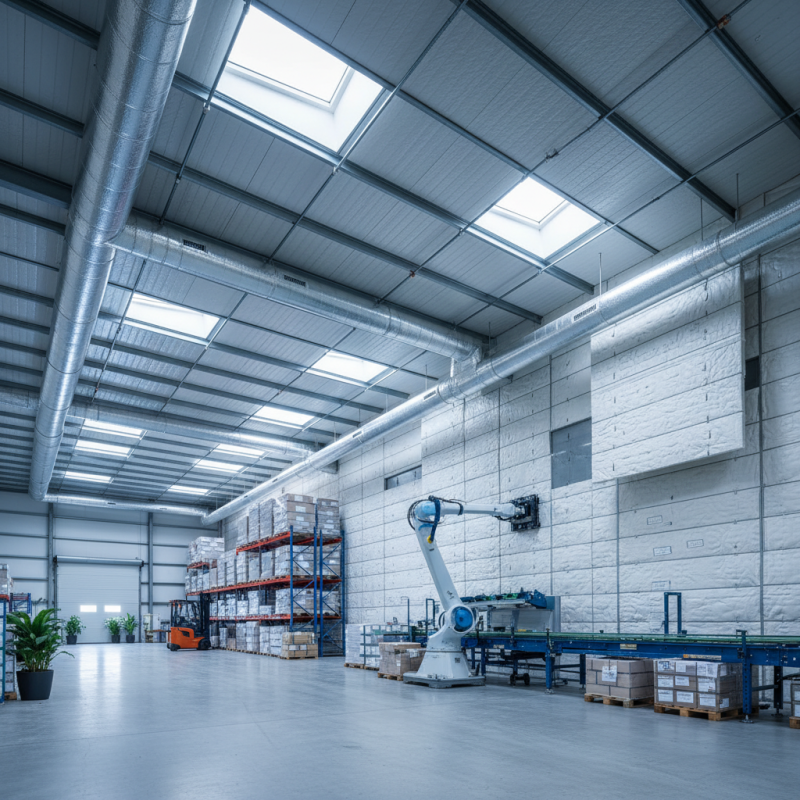
How to Improve Warehouse Insulation for Energy Efficiency?

Assessing Current Warehouse Insulation and Energy Needs

Assessing current warehouse insulation and energy needs is crucial for improving energy efficiency. Start by examining the existing insulation type. It could be outdated or insufficient for modern standards. Look for gaps, wear, or moisture damage. These issues can dramatically increase heating and cooling costs.

Tips: Regularly inspect insulation for damage. Consider hiring a professional for a thorough assessment.

Next, calculate energy consumption. Analyze utility bills to identify trends. Are there peaks in energy usage during certain months? Understanding these patterns helps determine how much insulation is needed. Evaluate whether additional insulation could stabilize temperatures and reduce energy costs.

Tips: Use thermal imaging to spot heat loss. This tool reveals areas needing improvement.

Lastly, consider your specific energy requirements. Different warehouses have varying needs based on their operation. Determine if more insulation would benefit your energy efficiency goals. However, avoid over-insulating, as that might lead to other issues like moisture accumulation or air quality concerns. Reflect on your current usage to make informed choices.

Identifying Common Types of Insulation Materials for Warehouses

When it comes to warehouse insulation, several materials can enhance energy efficiency. Common insulation types include fiberglass, spray foam, and rigid foam boards. Each material has distinct properties that affect thermal performance. Fiberglass is cost-effective and offers good thermal resistance. Spray foam, however, provides excellent air sealing and insulation in one application. Rigid foam boards can be ideal for exterior walls, providing high insulation values.

Insulation should be tailored to your warehouse needs. Consider factors like climate, budget, and building design. Different areas may require various types of insulation for optimal energy savings. It’s essential to perform regular inspections to check for wear and tear. Over time, insulation can degrade, leading to increased energy costs.

Tips: Always consult an expert when selecting insulation materials. They can provide insights specific to your warehouse conditions. Don’t overlook the importance of sealing gaps. Even the best insulation won’t perform well if there are air leaks. Be mindful of local building codes too; they may influence your insulation choices.

How to Improve Warehouse Insulation for Energy Efficiency? - Identifying Common Types of Insulation Materials for Warehouses

Insulation Material R-Value Cost (per square foot) Advantages Disadvantages
Fiberglass Batts 2.9 - 3.7 $0.50 - $1.00 Affordable, easy to install Can settle, may irritate skin
Spray Foam 5.0 - 6.0 $1.50 - $3.00 High R-value, air sealing properties Higher cost, requires professional installation
Mineral Wool 3.1 - 3.7 $0.85 - $1.50 Fire resistant, soundproofing qualities Can absorb water, may require special handling
Reflective or Radiant Barrier Typically does not have R-value $0.10 - $0.30 Reduces heat gain, inexpensive Not effective in cooler climates
Cellulose 3.1 - 3.8 $0.50 - $1.00 Made from recycled materials, good air barrier Can settle over time, potential for mold

Implementing Effective Insulation Techniques and Best Practices

Improving warehouse insulation is crucial for energy efficiency. According to the U.S. Department of Energy, nearly 30% of energy is wasted in poorly insulated spaces. Effective insulation techniques can significantly lower energy bills and enhance comfort levels for workers.

One approach to consider is using high-quality insulation materials like rigid foam boards or spray foam. These materials have higher R-values, which measure thermal resistance. In fact, buildings with enhanced insulation can reduce energy costs by 20%-50% annually. It’s essential to seal gaps around doors and windows to prevent air leaks. Proper sealing is a simple yet often overlooked task that can lead to substantial savings.

Tips: Regular inspections can help identify insulation weaknesses. Consider using infrared thermography to pinpoint areas needing attention. Additionally, think about reflective insulation systems that can help reduce heat gain in warmer months. Regular maintenance helps ensure long-lasting performance.

Investing in insulation is only part of the equation. Staff awareness and training are vital too. Many employees may not recognize the importance of maintaining insulated spaces. Regular training can foster an energy-efficient culture and instill a sense of responsibility. Reviewing your insulation strategy periodically can help optimize performance and address any shortcomings that arise over time.

Integrating Energy-Efficient HVAC Systems with Warehouse Insulation

Integrating energy-efficient HVAC systems with warehouse insulation can significantly enhance energy performance. A well-insulated warehouse reduces heat loss in winter and keeps the space cool in summer. This balance is crucial for maintaining optimal temperature and air quality.

Tips: Inspect existing insulation levels. Look for gaps and wear. Addressing these issues can improve HVAC efficiency. Additionally, using reflective insulation materials may help to further regulate the internal climate.

Choosing the right HVAC system matters. Options like variable refrigerant flow (VRF) provide targeted heating and cooling. These systems can work well with proper insulation, creating a synergy that optimizes energy use. Regular maintenance is vital. Deferred servicing leads to inefficiencies over time.

Tips: Schedule periodic audits for your HVAC system and insulation. This proactive approach helps identify potential problems early. Consider investing in smart thermostats to monitor energy consumption effectively.

Conducting Regular Insulation Maintenance and Performance Assessments

Maintaining warehouse insulation is critical for energy efficiency. Regular inspections can identify issues that lead to energy loss. According to the U.S. Department of Energy, effective insulation can reduce energy costs by 20% to 50%. This statistic emphasizes the importance of conducting performance assessments regularly.

Performing routine checks helps to spot wear and damage. It might reveal gaps or moisture accumulation that compromise insulation effectiveness. In fact, studies indicate that a mere 1% increase in insulation gaps could lead to 5% energy loss. Warehouse managers should consider using thermal imaging technology for inspections. It allows for a detailed view of issues not visible to the naked eye.

However, many facilities overlook the importance of these assessments. Some focus solely on other maintenance areas, neglecting insulation. This leads to inefficient energy use, resulting in higher operational costs. Addressing insulation performance should become a routine priority in warehouse management. Prioritizing this aspect can not only improve energy efficiency but also enhance overall operational productivity.

Warehouse Insulation Performance Assessment

This chart represents the current performance of warehouse insulation based on regular assessments. A higher percentage indicates better insulation quality, crucial for improving energy efficiency in warehouse operations.

FAQS

: Why is insulation important for warehouses?

: Insulation is key for energy efficiency. It can reduce energy waste, leading to lower bills and increased comfort.

What materials are best for insulation?

High-quality options include rigid foam boards and spray foam. These materials have higher R-values, ensuring better thermal resistance.

How can I identify insulation weaknesses?

Regular inspections are crucial. Using infrared thermography can help locate gaps and areas that need repair.

What common issues affect insulation performance?

Gaps around doors and windows often lead to air leaks, resulting in energy loss. Moisture accumulation can also compromise insulation.

How does HVAC integration affect insulation?

A well-insulated warehouse paired with efficient HVAC systems reduces heat loss in winter. It keeps spaces cool during summer months.

What should I prioritize in my insulation strategy?

Regular training for staff is essential. Many may not understand how to maintain insulated spaces effectively.

What can happen if I neglect insulation maintenance?

Overlooking insulation can lead to inefficiencies. Higher operational costs may result from energy loss that's left unaddressed.

How often should I perform insulation assessments?

Regular assessments should be a routine priority. Many facilities often neglect this, hindering potential energy savings.

What can I do to enhance my insulation's performance?

Consider using reflective insulation materials. They help regulate the internal climate, improving overall energy efficiency.

How can smart technology help with energy monitoring?

Investing in smart thermostats enables effective energy consumption monitoring. It provides insights for better energy management.

Conclusion

Improving insulation in warehouses is essential for enhancing energy efficiency and reducing operational costs. This process begins with assessing the current insulation levels and energy requirements, which allows for identifying gaps and opportunities for improvement. Common insulation materials, such as fiberglass, foam, and reflective barriers, can be evaluated for their suitability based on the specific warehouse environment.

Once the appropriate materials are selected, implementing effective insulation techniques and best practices becomes crucial. This includes ensuring proper installation and considering the integration of energy-efficient HVAC systems that work harmoniously with the insulation. Lastly, routine maintenance and performance assessments are vital to ensure that the insulation continues to perform optimally over time, further contributing to energy efficiency in warehouses.

Charlotte

Charlotte

Charlotte is a seasoned marketing professional with a deep understanding of the company's portfolio and a passion for elevating its presence in the market. With a keen eye for detail and a commitment to excellence, she ensures that our professional blog is regularly updated with insightful articles......