Improving energy efficiency in buildings is crucial for sustainable development. Many buildings consume excessive energy, leading to higher costs and environmental impact. Therefore, understanding how to improve energy efficiency in buildings can significantly benefit homeowners, businesses, and the planet.
This guide will explore innovative strategies that enhance energy performance. Simple upgrades can lead to substantial savings. For instance, replacing old windows with energy-efficient models is a straightforward yet effective change. Moreover, installing smart thermostats can help regulate heating and cooling more efficiently.
While these solutions seem effective, challenges often arise. Not all buildings are the same, and an approach that works for one may not suit another. Professionals must evaluate each structure's unique needs before implementing changes. Thus, keeping in mind that energy efficiency requires ongoing assessment is essential for achieving lasting results.
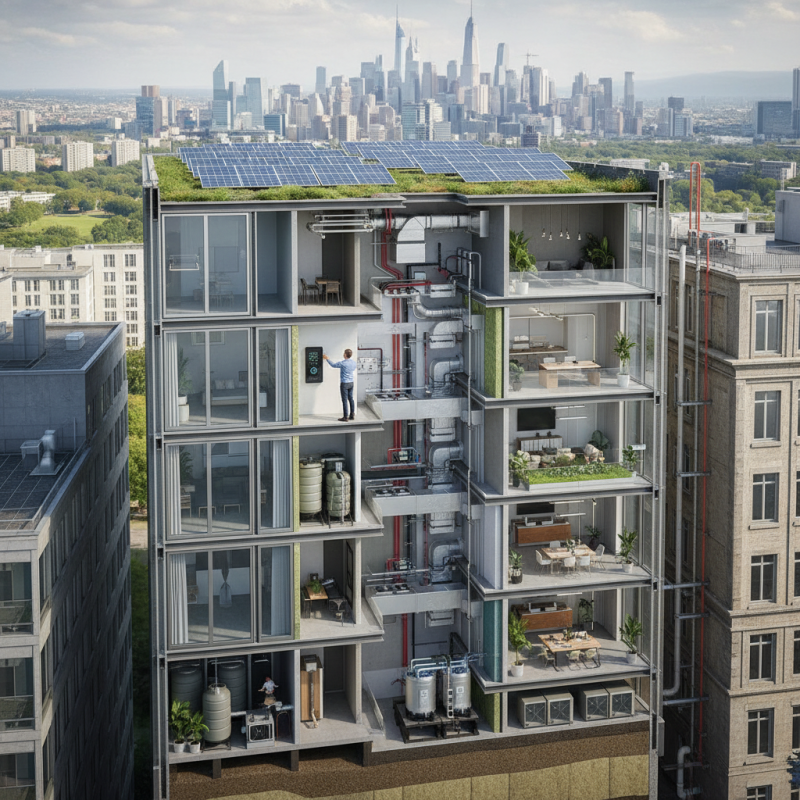
Understanding Energy Efficiency in Buildings
Energy efficiency is crucial in building design and management. By effectively reducing energy consumption, buildings can lower operating costs and minimize their environmental impact. Understanding this concept requires a grasp of how energy is used within a structure.
Insulation quality, window types, and HVAC systems play significant roles. Poor insulation can lead to heat loss. This often drives up the energy bill as systems work overtime.
Buildings should prioritize energy-efficient materials. Using sustainable resources, like recycled materials, can dramatically reduce a building’s carbon footprint. Traditional heating methods often waste energy. Innovative heating solutions, such as radiant floor heating, offer better efficiency. However, these methods may come with higher upfront costs and require careful consideration of long-term benefits.
Behavioral factors also influence energy efficiency. Occupant habits greatly affect energy consumption. Building users should be educated about practices like turning off lights and using energy-efficient appliances. Yet, change is often slow and requires ongoing effort. Indoor environments must be comfortable, but achieving this without excessive energy use can be challenging. Awareness and active participation from occupants are necessary for real improvement.
Implementing Insulation Improvements for Energy Savings
Energy efficiency is crucial for reducing
building costs and environmental impact. Insulation improvements play a significant role in achieving these goals. Proper insulation minimizes heat transfer, keeping buildings warm in winter and cool in summer. This can lead to substantial energy savings over time.
When considering insulation upgrades, focus on the building envelope. Inspect windows and doors for air leaks. Replace old weather stripping with new, energy-efficient options. Improved seals can block drafts effectively. Adding foam insulation to walls is another practical approach. It creates a barrier that reduces energy loss.
Before making improvements, assess the current insulation. Sometimes, existing materials can be enhanced rather than replaced entirely. For example, adding insulation to uninsulated attics or crawl spaces can yield quick results. Energy audits can provide detailed insights into areas needing attention. Keeping energy usage minimal not only conserves resources but also contributes to better indoor comfort. Stay informed, and always seek reliable advice when making these changes.
Utilizing Energy-Efficient Windows and Doors
Energy-efficient windows and doors play a crucial role in enhancing a building’s energy efficiency. These installations help regulate indoor temperatures, reducing the need for heating and cooling. By minimizing air leakage, they keep warm air in during winter and cool air in during summer. Buildings can significantly lower their energy consumption by upgrading to high-performance options.
Tips for Selecting Energy-Efficient Windows: Look for double or triple glazing. These models have multiple panes, creating insulating air pockets. Low-emissivity (Low-E) coatings reflect heat while allowing light in. Additionally, consider the frame materials. Vinyl and fiberglass offer better insulation than aluminum. Always check for Energy Star ratings to ensure quality.
When it comes to doors, choose solid-core models. Hollow doors might look appealing, but they provide less insulation. Weather stripping around the edges additionally contributes to reducing drafts. Be aware, however, that improper installation can lead to more problems. Hiring a professional can make a difference in performance and durability. Remember, even small gaps can allow significant energy loss, so every detail matters.
Adopting Smart Technology for Energy Management
Smart technology is revolutionizing energy management in buildings. With the rise of IoT devices, monitoring energy use has become easier than ever. Sensors can track occupancy, temperature, and light levels, allowing for real-time adjustments. These adjustments lead to significant energy savings. For example, smart thermostats can optimize heating and cooling by learning preferences. They respond to changes automatically, minimizing waste.
However, adopting smart technology is not without challenges. Many buildings still rely on outdated systems. Integrating new technologies with existing infrastructures can be complex. Training staff to use these systems effectively is crucial yet often overlooked. Without proper training, the potential benefits of smart technology may go unrealized. Organizations must commit to ongoing education.
Data privacy also poses a concern. The more data collected, the greater the risk of misuse. Balancing efficiency with security is essential. Building managers should prioritize transparent data policies. This creates trust with occupants and stakeholders. Embracing smart technology requires a thoughtful approach. Addressing challenges is vital for sustainable energy management.
Top 10 Ways to Improve Energy Efficiency in Buildings
Exploring Renewable Energy Options for Buildings
Exploring renewable energy options for buildings is essential for enhancing energy efficiency. A 2023 report from the International Energy Agency suggests that renewable energy could account for 30% of global building energy consumption by 2030. Integrating solar panels or wind turbines can significantly reduce reliance on fossil fuels. An average building can save up to 50% on energy costs by adopting solar energy solutions, making this an attractive option.
Harnessing geothermal energy is another effective strategy. According to the U.S. Department of Energy, using geothermal heat pumps can lead to savings of 30-60% in heating and cooling costs. These systems utilize the stable temperatures underground, providing a reliable energy source. However, installation can be costly upfront, and it requires careful site assessment. Not all buildings are conducive to geothermal systems, which presents challenges for widespread adoption.
Hydroelectric systems, although less common in urban areas, can be efficient for buildings near water sources. Small-scale hydro systems can generate significant power, sometimes covering all energy needs. However, regulatory hurdles often complicate implementation. Addressing these issues involves collaboration between energy providers and local governments. Overall, while renewable energy options have great potential, their effectiveness varies by location and building design.
FAQS
: Energy efficiency reduces energy consumption and operating costs. It also minimizes environmental impacts.
Poor insulation leads to heat loss. This increases energy bills as heating and cooling systems overwork.
Occupant habits strongly influence energy use. Educating users on energy-saving practices is vital.
Smart technology allows real-time monitoring and adjustments, improving energy savings significantly.
Many buildings use outdated systems. Integrating new technologies can be complex and requires staff training.
Renewable energy can greatly reduce reliance on fossil fuels, cutting energy costs significantly.
Geothermal heat pumps can save 30-60% on heating and cooling costs, offering a stable energy source.
Installation costs can be high. Not all buildings are suitable for certain renewable energy systems.
More data collection raises risks of misuse. Balancing efficiency and security is crucial for trust.
Without training, staff may not utilize new technologies effectively, leading to unfulfilled potential benefits.
Conclusion
Improving energy efficiency in buildings is crucial for reducing energy consumption and minimizing environmental impact. One effective way to achieve this is by enhancing insulation, which helps maintain temperature and reduces reliance on heating and cooling systems. Additionally, utilizing energy-efficient windows and doors can significantly decrease energy loss, ensuring that buildings remain comfortable while using less energy.
Moreover, adopting smart technology for energy management allows for better monitoring and control of energy usage, leading to further savings. Finally, exploring renewable energy options, such as solar or wind power, can greatly enhance a building's sustainability. By implementing these strategies, property owners can learn how to improve energy efficiency in buildings, contributing to a greener future.

 Homecoxa Panels