Insulated panel systems are shaping modern buildings where temperature control, hygiene, speed, and energy performance matter. They combine core insulation with protective outer skins, creating practical envelopes for demanding environments. In field assessments, I have seen their value most clearly in cold storage rooms, food processing plants, pharmaceutical facilities, warehouses, and controlled agricultural buildings. Each application exposes different priorities. A freezer may require continuous thermal protection, while a cleanroom depends more heavily on smooth surfaces and reliable sealing.
So, what industries use insulated panel systems the most? The answer depends on construction volume, operating temperatures, sanitation requirements, and regional energy costs. Cold-chain logistics often stands out because small temperature losses can damage products and increase operating expenses. Food and beverage facilities also use panels extensively around production areas, chilled rooms, and washing zones. Pharmaceutical manufacturers demand tighter environmental control, although panel selection alone cannot guarantee compliance. Installation quality, joint design, cleaning practices, and regular inspections remain equally important.
The ranking is not absolute.
A credible comparison should examine project data, manufacturer specifications, thermal performance, fire characteristics, moisture resistance, and lifecycle costs. Engineers should also consider local building requirements and the facility’s actual operating conditions. A panel that performs well in a dry warehouse may fail prematurely in a humid processing room. That detail is easy to overlook. This guide will compare leading industries, explain their practical reasons for adoption, and identify the evidence needed before choosing a system. Some conclusions may remain imperfect, because industry demand changes with technology, logistics, climate, and investment patterns.
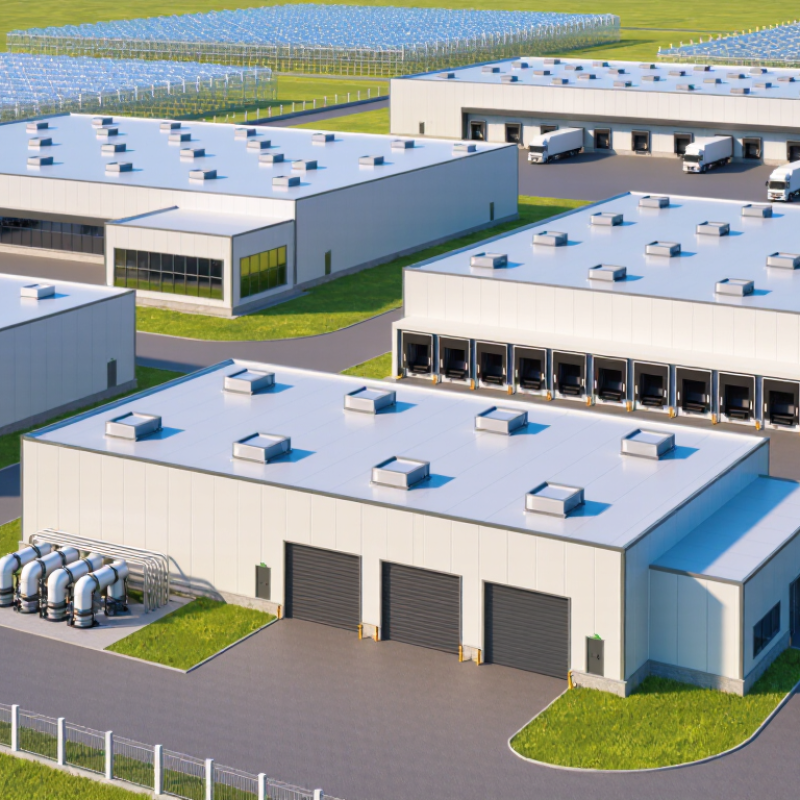
How to Identify Top Industries Using Insulated Panel Systems?
Insulated panel systems are factory-made wall, roof, or ceiling assemblies. They usually combine metal skins with an insulating core. Their core functions include thermal resistance, moisture control, airtightness, and surface protection. Joints matter as much as the panel. Poor sealing can defeat impressive laboratory values. This detail is often underestimated.
The United Nations Environment Programme reported that buildings consumed 32% of global energy in 2022. They also produced 34% of global carbon emissions, according to the 2023 Global Status Report for Buildings and Construction. The Global Cold Chain Alliance reported approximately 719 million cubic metres of refrigerated warehouse capacity in 2023. These figures highlight two strong application areas: energy-sensitive buildings and temperature-controlled logistics. Food processors need washable surfaces and stable internal temperatures. Pharmaceutical facilities demand tighter environmental control and documented hygiene procedures. Data centers require predictable thermal performance, although panels cannot replace complete cooling strategies.
Identifying a top industry requires more than checking market size. Review temperature ranges, cleaning frequency, humidity, fire requirements, and door traffic. Cold stores with constant loading may need stronger joint detailing. Controlled agricultural rooms may prioritize vapor resistance. Modular construction may value speed and reduced site waste. A thicker core is not always the best answer. Field conditions can expose gaps between design assumptions and daily operation. Site inspections, thermal calculations, and verified fire data create more reliable decisions. Some specifications still look excellent on paper, but fail at corners, penetrations, or poorly trained installation teams.
Insulated panel systems are factory-made wall, roof, and ceiling assemblies that combine an insulating core with protective outer facings. Their main functions are to reduce heat transfer, control condensation, improve hygiene, and accelerate enclosure installation.
Cold storage and pharmaceutical facilities typically require the thickest panels because they maintain tightly controlled temperatures. Food processing and logistics facilities also depend on insulated panels for thermal stability, washable surfaces, and energy-efficient space separation.
Data shown are representative commercial design ranges based on commonly specified insulated-panel thicknesses for these applications; exact requirements vary by climate, temperature set point, fire rating, hygiene standard, and local building codes.
Industries requiring thermal and environmental control usually reveal their needs through daily operating conditions. Food processing rooms may face warm washdown water, condensation, and strict hygiene demands. Cold storage facilities need stable temperatures, tight joints, and limited heat transfer around doors. Small gaps can create frost, mold, or uneven cooling. Not decoration.
Pharmaceutical production, medical facilities, and laboratories require cleaner, more predictable environments. Insulated panels can support controlled temperature, humidity, and airborne-particle management when installed with suitable ventilation systems. Smooth, sealed surfaces simplify cleaning and reduce hidden contamination points. However, panel selection must match the room’s chemicals, pressure levels, fire requirements, and cleaning routine. A visually clean wall may still have weak joints.
Data centers and electronics plants also depend on environmental stability. Their rooms may need continuous cooling, controlled humidity, and protection from dust. In practical assessments, I examine panel cores, vapor barriers, connection details, penetrations, and maintenance access. The best system is not always the thickest one. It must work with HVAC capacity and the building structure. This is where decisions can become imperfect. A design may meet temperature targets but create difficult repairs later. Reliable evaluation combines site measurements, recognized safety codes, installer experience, and documented performance data. Insulation alone cannot control an environment.
| Industry | Primary Environmental-Control Requirement | Representative Operating Temperature | Humidity, Hygiene, or Cleanliness Considerations | Why Insulated Panel Systems Are Used | Typical Applications |
|---|---|---|---|---|---|
| Food Processing and Beverage Production | Stable temperatures, reduced heat transfer, and separation of clean and non-clean areas | Approximately 0–5°C for chilled rooms; −18°C or below for frozen storage | Frequent washdown, condensation control, smooth hygienic surfaces, and resistance to moisture and cleaning chemicals | Helps maintain cold-chain conditions and limits temperature fluctuations between processing zones | Chill rooms, freezer rooms, ingredient storage, preparation areas, and hygienic production rooms |
| Cold Storage and Refrigerated Logistics | Continuous thermal containment and efficient separation between temperature zones | Chilled: about 0–5°C; frozen: typically −18°C or below | Vapor control, airtight joints, durable impact-resistant finishes, and reduced condensation at doors and penetrations | Reduces heat gain and supports efficient operation of refrigeration equipment | Distribution centers, freezer warehouses, refrigerated loading areas, and insulated temperature chambers |
| Pharmaceutical Manufacturing and Storage | Validated temperature stability, contamination control, and controlled airflow management | Common controlled-room range: 15–25°C; refrigerated products: 2–8°C | Cleanable, low-particle surfaces; controlled humidity where required; sealed joints and compatible finishes | Creates controlled internal zones that can support regulatory, quality, and validation requirements | Cleanrooms, packaging rooms, sampling rooms, temperature-controlled warehouses, and cold rooms |
| Biotechnology and Laboratory Facilities | Stable temperature, contamination reduction, and room-to-room pressure control | Often maintained near 18–24°C, depending on process and equipment | Low-shedding surfaces, cleanable finishes, controlled humidity, and sealed interfaces around services | Supports construction of separated laboratory zones with predictable thermal and cleanliness performance | Research laboratories, controlled processing rooms, testing areas, and sample storage rooms |
| Medical Device Manufacturing | Particulate control, repeatable room conditions, and protection of sensitive production processes | Commonly about 18–24°C, subject to process specifications | Low-particle construction, smooth cleanable panels, controlled humidity, and resistance to routine disinfectants | Provides modular clean manufacturing spaces with fewer exposed surfaces that can collect contaminants | Assembly rooms, inspection areas, packaging rooms, and controlled clean zones |
| Electronics and Semiconductor Manufacturing | Very low particulate levels, temperature stability, and static-control support | Frequently maintained around 20–24°C, depending on process requirements | Cleanroom-compatible surfaces, sealed joints, controlled humidity, and provisions for pressure cascades | Helps form airtight, cleanable room envelopes that support precise environmental control | Cleanrooms, equipment rooms, component assembly areas, and inspection zones |
| Horticulture and Indoor Agriculture | Control of temperature, humidity, light leakage, and air movement | Crop-dependent; many controlled growing areas operate approximately at 18–28°C | High humidity, condensation prevention, washable surfaces, and resistance to irrigation-related moisture | Improves separation from outdoor conditions and helps maintain a stable growing environment | Vertical farms, propagation rooms, mushroom-growing rooms, and controlled cultivation areas |
| Data Centers and IT Equipment Facilities | Thermal containment, reliable cooling performance, and protection from dust and moisture | Commonly designed within approximately 18–27°C for equipment intake conditions | Low dust infiltration, limited condensation risk, fire-performance requirements, and controlled air paths | Supports thermal zoning and reduces unwanted heat transfer around server and equipment spaces | Server rooms, modular data halls, power rooms, and equipment enclosures |
| Chemical and Specialty Materials Processing | Temperature stability, vapor separation, and protection from corrosive or hazardous environments | Process-specific; commonly controlled near ambient conditions or within defined cold-storage ranges | Chemical-resistant internal finishes, sealed joints, ventilation compatibility, and moisture control | Provides thermal separation and a maintainable enclosure for designated process areas | Material storage rooms, controlled process rooms, laboratories, and temperature-sensitive warehouses |
| Aerospace and Precision Engineering | Dimensional stability, dust reduction, and controlled production conditions | Often maintained around 18–24°C for precision work, depending on the process | Cleanable surfaces, low particulate release, humidity management, and controlled airflow | Helps reduce environmental variation that can affect high-tolerance assembly and inspection | Precision assembly rooms, inspection laboratories, component storage, and controlled workshops |
| Archives, Museums, and Records Storage | Long-term control of temperature, humidity, light exposure, and air contaminants | Often maintained near 18–21°C, with humidity commonly controlled around 30–50% RH depending on materials | Low air leakage, stable humidity, reduced condensation risk, and protection from external environmental changes | Limits rapid fluctuations that can accelerate deterioration of paper, textiles, photographs, and artifacts | Archive vaults, collection stores, conservation rooms, and records warehouses |
Note: Temperature and humidity values are representative industry ranges rather than universal specifications. Final requirements depend on the product, process, local codes, validation protocol, and facility design.
How to Identify Top Industries Using Insulated Panel Systems?
Assessing panel performance starts with the operating environment, not the panel label. The IEA’s Energy Efficiency 2023 report states that buildings consume about 30% of global final energy. This makes thermal performance a measurable business concern. For warehouses, cold rooms, and production areas, compare U-values, joint airtightness, vapor control, and thermal bridging. A small gap around a door can undermine an otherwise efficient envelope. It happens more often than specifications suggest.
Food and pharmaceutical facilities require stricter controls. The Global Cold Chain Alliance reported approximately 719 million cubic meters of global refrigerated storage capacity in its 2020 capacity report. That scale increases pressure on refrigeration efficiency and temperature stability.
Panels should support cleanable surfaces, controlled condensation, and reliable hygiene zones. Pharmaceutical rooms also need documented temperature mapping, as recommended by WHO Technical Report Series No. 961.
Performance data should include tested conductivity, fire behavior, and aging assumptions. Nominal thickness alone proves little.
Data centers prioritize cooling continuity and fire performance. Energy use intensity, service access, and panel reaction to moisture deserve equal attention. Standards such as EN 14509 and ISO 10211 help assess factory-made panels and thermal bridges.
Yet laboratory results may not match poorly installed joints. I would inspect fasteners, seals, penetrations, and maintenance records on site. That extra step is inconvenient. It is also where many evaluations become more honest.
Insulated panel systems serve industries where temperature, hygiene, or fire performance matters. Food processing plants often use metal-faced panels with closed-cell cores. These surfaces resist moisture and allow frequent washing. Cold-storage facilities need low thermal conductivity and carefully sealed joints. Even a small gap can create condensation behind the panel.
Material choice changes with risk. Polyisocyanurate cores offer strong thermal efficiency in limited wall space. Mineral wool supports higher fire resistance and can improve sound control. Expanded polystyrene may reduce cost, but its performance depends on the specified grade and protection. Pharmaceutical rooms require smooth, cleanable finishes and minimal ledges. Cleanroom designs also need controlled airflow, pressure management, and compatible sealants. These details are easy to overlook.
Installation quality often decides whether a good panel performs well. Crews should check the substrate, panel alignment, fastener spacing, and vapor-barrier continuity. Joints need compression without crushing the core. Openings around doors, pipes, and drains deserve special inspection. Applicable building, fire, food-safety, and cleanroom standards should guide the design. Local requirements vary, so project teams must verify tested assemblies and installation tolerances. In practice, drawings may look precise, yet uneven floors can force field adjustments. That is where careful documentation matters. I have found that rushed sealing creates later maintenance problems, although better planning does not always prevent every defect.
How to Identify Top Industries Using Insulated Panel Systems?
Selecting the Most Suitable Insulated Panel System for Each Industry
Insulated panel systems serve industries with strict temperature, hygiene, and energy requirements. Cold storage facilities need strong thermal resistance and carefully sealed joints. Even a small gap can create condensation near door frames. Food processing plants require smooth, washable surfaces that resist moisture and cleaning chemicals. Panels should also support regular sanitation without losing their protective finish.
Pharmaceutical facilities and cleanrooms demand tighter control. Their panel systems should reduce dust collection and support stable indoor conditions. Fire performance, air leakage, and pressure differences deserve close attention. Warehouses and logistics centers often prioritize fast installation, impact resistance, and reliable insulation. Their needs differ from laboratories, even when both use controlled environments. Fit matters more than a standard specification.
A proper selection starts with a site assessment. Review temperature ranges, humidity, cleaning routines, structural loads, and local safety requirements. Experienced contractors also inspect floor levels and connection details before installation. This prevents expensive adjustments later. Yet, field decisions are not always perfect. A panel suitable for a dry warehouse may perform poorly beside a wet production line. That judgment can be wrong. Rechecking the design with engineers, installers, and facility operators usually reveals overlooked risks. Performance data should come from verified testing, not attractive claims alone.
Food processing, cold storage, pharmaceutical production, medical facilities, laboratories, data centers, and electronics plants often need it. Their rooms may face heat, moisture, dust, or unstable temperatures.
Small gaps can allow heat transfer, condensation, frost, or mold. They may also weaken hygiene control. Small gaps matter.
They need low thermal conductivity, stable temperatures, and tightly sealed joints. Door areas require special attention because frequent opening increases heat movement.
Polyisocyanurate can provide strong thermal efficiency in limited wall space. Mineral wool can support fire resistance and sound control. Expanded polystyrene may lower cost, but its specified grade matters.
Smooth, sealed surfaces simplify cleaning and reduce hidden contamination points. Designs also need compatible sealants, controlled airflow, pressure management, and suitable ventilation.
Teams should check the substrate, alignment, fastener spacing, vapor barriers, joints, doors, pipes, and drains. Joints need compression without crushing the core.
No. The system must match HVAC capacity, building structure, room conditions, and maintenance access. A thicker panel may meet temperature targets but complicate future repairs.
They should use site measurements, tested assemblies, documented performance data, and clear installation records. Uneven floors may force field adjustments. Planning helps, but it cannot prevent every defect.
Insulated panel systems are engineered building components that combine thermal insulation, protective surfaces, and structural efficiency to create controlled interior environments. They help regulate temperature, reduce energy loss, manage moisture, improve hygiene, and support fast construction. To understand what industries use insulated panel systems the most, it is important to examine where stable environmental conditions are essential. Food processing, cold storage, pharmaceuticals, healthcare, agriculture, electronics manufacturing, logistics, and commercial facilities commonly depend on these systems for reliable temperature and cleanliness control.
Choosing the right system requires comparing industry requirements with panel performance, including insulation value, fire resistance, moisture protection, durability, hygiene, and ease of maintenance. Material selection, panel design, joint construction, and installation standards can significantly affect long-term performance. For example, a facility handling sensitive products may require highly sealed, washable surfaces, while a warehouse may prioritize thermal efficiency and structural strength. By matching these factors with operational needs, building conditions, and regulatory expectations, each industry can select an insulated panel system that provides efficient, safe, and lasting environmental control.

Homecoxa Panels