How to Identify Key Features of High Performance Panels?

Time:2026-11-11 Author:Aria
0%

Solar panels can look nearly identical on a warehouse roof, yet their output and durability may differ. So, what are the key features of high performance panels? The answer goes beyond a headline wattage. Buyers should compare rated power, conversion efficiency, temperature coefficient, expected degradation, and independent reliability testing. These details help explain how a module may perform in a specific climate, on a shaded roof, or during hot afternoons.

Evidence matters. A 2013 review by NREL researchers Dirk Jordan and Sarah Kurtz examined nearly 2,000 degradation-rate estimates and reported a median rate of about 0.5% per year. That figure is a broad historical benchmark, not a promise for every product. PVEL’s 2024 PV Module Reliability Scorecard assesses modules under stress tests that include thermal cycling and damp heat. These tests can reveal weaknesses that a short product brochure may not show. Check whether the manufacturer publishes test results, warranty terms, and clear measurement conditions.

Look closely at the temperature coefficient: it indicates how power changes as module temperature rises. Compare warranties carefully, too; a long warranty does not automatically mean stronger real-world performance. Small details matter. Cell technology, glass quality, frame construction, and installation conditions all influence results. No panel is best in every setting, and datasheets can make comparisons seem simpler than they are. A careful assessment pairs verified specifications with local conditions and independent evidence.
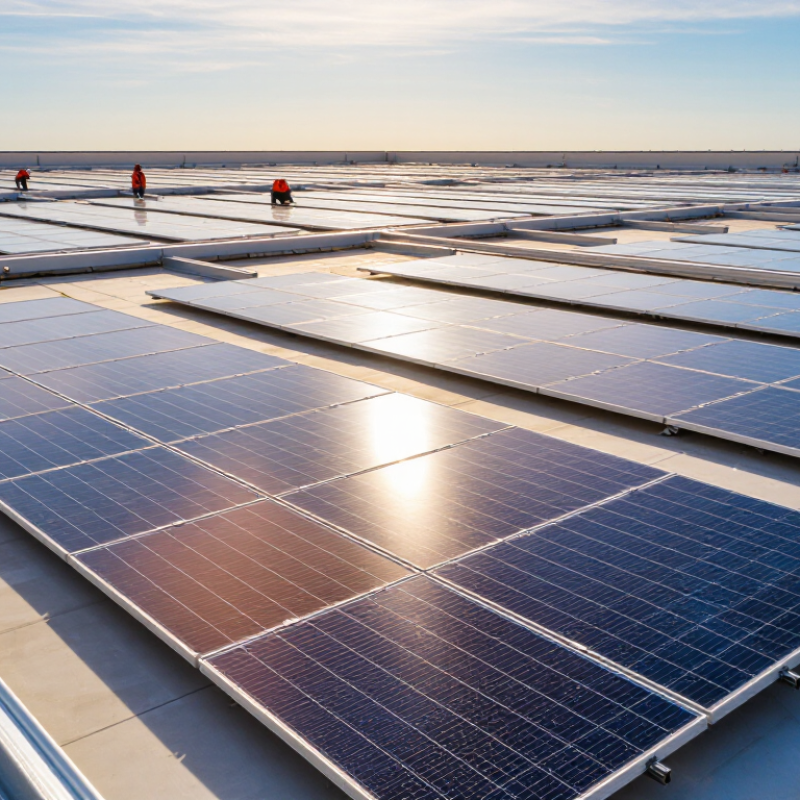
How to Identify Key Features of High Performance Panels?

Define the Panel Type and Its Intended Application

Before comparing performance, identify what “panel” means in the project. A structural insulated panel, a solar panel, and an acoustic wall panel solve different problems. The same label can hide different materials, test methods, and failure modes. Start with the panel’s function: carrying a load, generating electricity, controlling sound, or separating spaces. Then record where it will be installed, including indoor or outdoor exposure, humidity, temperature swings, and expected service life. Details matter.

Translate that use into measurable requirements. For a load-bearing panel, check span, deflection, connection design, and verified load data. For an exterior panel, examine water uptake, UV stability, thermal movement, and edge protection. Acoustic applications need frequency-specific absorption data, not just a broad “soundproof” claim. Ask whether test results match the intended thickness and mounting method. A rating from one assembly may not transfer to another. That point is easy to miss. Compare maintenance access, repair options, and replacement impact too. Note any assumptions that remain uncertain; early specifications are rarely complete, and pretending otherwise can misdirect procurement. The right panel is the one whose documented properties fit actual conditions, not simply the one with the highest number on a data sheet.

Examine Materials, Construction, and Design

High-performance solar panels begin with materials that withstand heat, moisture, and repeated temperature swings. Inspect the cell type, front glass, encapsulant, and backsheet rather than relying on efficiency claims alone. NREL’s 2016 Compendium of Photovoltaic Degradation Rates reported a median degradation rate of about 0.5% per year across reviewed studies. That figure is a useful benchmark, not a guarantee for every panel or climate.

Construction details reveal how well materials work together. Look for sealed edges, durable junction boxes, and frames that resist bending and corrosion. Small details matter. A poorly protected cable connection can become a weak point, even when the cells perform well. Check the frame. Ask how the panel was tested for mechanical load, damp heat, and thermal cycling, and compare warranty terms with the test conditions. A datasheet can still hide trade-offs.

Design affects output after installation, too. Cell layout, bypass diodes, and shade response influence how a panel behaves when a chimney or branch casts a narrow shadow. The IEA PVPS Trends 2024 report estimated global cumulative solar capacity at roughly 1.6 terawatts by the end of 2023, making consistent quality checks increasingly important. Yet no single design suits every roof. Measure usable space, note nearby shade, and compare dimensions before choosing. I would still inspect the installation plan; strong components cannot correct poor placement.

Compare Performance Metrics and Efficiency

A high-efficiency rating is useful, but it does not tell the whole story. Compare panels using the same test conditions and rated area. Fraunhofer ISE’s Photovoltaics Report (2024) puts leading commercial crystalline-silicon modules at roughly 22–24% efficiency. That range is a benchmark, not a promise of equal output on every roof. A shaded vent, hot afternoon, or poor orientation can change real-world energy production. Check the temperature coefficient, too: it estimates how much power falls as the panel heats above standard test temperature.

Look beyond the headline percentage. NREL’s review of photovoltaic degradation studies found a median decline near 0.5% per year, though results varied by technology and site. Ask for warranty terms and independent test data, then compare estimated annual energy yield per installed kilowatt—not just watts per panel. Small differences matter. A panel with a slightly lower rating may perform better in limited space or warmer conditions. Still, estimates are estimates; local shade and installation quality are easy to understate. I would want a site-specific production calculation before treating any efficiency figure as decisive.

Check Durability, Safety, and Certifications

Durability is more than a thick frame or a long warranty. Check the module’s glass, frame, seals, junction box, and connectors for documented resistance to the conditions at your site. Coastal salt, heavy hail, and high heat create different risks. A review published in Progress in Photovoltaics analyzed thousands of photovoltaic degradation rates and reported a median decline of about 0.5% per year. That figure is useful context, not a guarantee for every product or installation. Ask for test reports, not just marketing claims.

Safety deserves equal scrutiny. IEC 61215 covers design qualification and type testing, while IEC 61730 addresses module safety qualification. Verify the certificate applies to the exact model, and check that an accredited laboratory issued it. Standards matter. They do not replace correct wiring, compatible inverters, or installation inspections. Certifications also may not cover every local fire or electrical requirement. A small mismatch can matter. Compare the paperwork with the label on the panel, and confirm the stated hail, temperature, and environmental tests match your actual exposure. I would not treat a warranty as proof of safety; it is a promise with conditions, and those conditions are easy to overlook.

Assess Maintenance Needs and Long-Term Value

How to Identify Key Features of High Performance Panels?

Assess Maintenance Needs and Long-Term Value

For photovoltaic panels, high performance means more than strong output on day one. Check how easily technicians can inspect wiring, connectors, and mounting points. Dust, leaves, and bird droppings can collect along frame edges, especially on shallow roofs. A clear monitoring system also helps owners spot unusual production drops before they become costly surprises. In a 2013 review in Progress in Photovoltaics, Dirk Jordan and Sarah Kurtz reported a median degradation rate of about 0.5% per year across nearly 2,000 reported rates. That figure is useful context, not a promise for every site.

Tips: Review the maintenance manual before purchase. Ask who handles inspections, what cleaning methods are approved, and how replacement parts are sourced. Keep dated photos and performance records. Small details matter.

Long-term value depends on upkeep, local labor costs, and component life—not just the panel warranty. Compare expected energy production over time with inspection, cleaning, and repair costs. Check whether monitoring alerts identify individual panel or system-level issues; the distinction affects troubleshooting time. Also ask how inverter replacement is handled, since panels and inverters may not share the same service life. Jordan and Kurtz’s findings are an industry-wide benchmark, but real degradation varies with climate, installation, and maintenance. A spotless panel is not automatically a better investment. I would still want service records from a comparable site before trusting optimistic savings estimates.

FAQS

How should I choose the right type of panel?

Start with its job: carrying loads, generating electricity, absorbing sound, or dividing spaces. Then match its documented properties to the installation.

Which details matter for an outdoor panel?

Check water uptake, UV stability, temperature changes, and edge protection. Coastal salt or hail may add site-specific risks.

How can I compare structural panel performance?

Review span, deflection, connections, and verified load data. A high rating alone may not reflect your assembly.

What should I check in photovoltaic panel safety documents?

Confirm test certificates match the exact model and came from an accredited laboratory. Paperwork does not replace correct wiring or inspections.

Does a warranty prove a panel is safe and durable?

No. Warranties have conditions, and they do not establish safe installation. Read the terms carefully.

How much output loss should I expect over time?

One review reported median degradation near 0.5% annually. Treat that as context, not a promise for your site.

What maintenance details should I consider before buying?

Check inspection access, approved cleaning methods, and replacement-part availability. Dust and leaves can gather along shallow roof edges.

How can I judge long-term value?

Compare expected production with labor, cleaning, repairs, and inverter replacement costs. Monitoring helps locate output drops, though estimates can still be optimistic.

Conclusion

Understanding what are the key features of high performance panels starts with matching the panel type to its intended application. Consider where and how the panel will be used, then examine its materials, construction, and design. These factors can influence strength, insulation, energy efficiency, and suitability for particular conditions. Comparing relevant performance metrics helps determine whether a panel can meet practical requirements without relying on a single specification.

Durability, safety, and recognized certifications are also important when evaluating options. Look for panels designed to withstand expected wear and environmental exposure, and check what care or inspection they require over time. Finally, weigh installation and maintenance needs against expected service life and overall value. A well-chosen panel balances dependable performance with manageable upkeep, making it a practical fit for both immediate needs and long-term use.

Aria

Aria

Aria is a dedicated marketing professional with a deep passion for innovative strategies and a keen understanding of our company's product offerings. With a wealth of experience in the industry, Aria excels at crafting engaging content that highlights the unique features and benefits of our......