When considering the purchasing of thermal insulation materials, many buyers often ask, "what factors affect thermal insulation performance?" This question has significant implications for both energy efficiency and comfort in homes and commercial buildings. According to a recent report by the U.S. Department of Energy, effective insulation can reduce heating and cooling costs by up to 20%. This statistic underscores the importance of choosing the right materials.
Various elements, such as material type, thickness, and installation method, play a crucial role in insulation performance. Research from the National Institute of Standards and Technology highlights that the R-value, which measures thermal resistance, is vital in determining the effectiveness of insulation. Buyers must also consider environmental factors, like humidity and temperature fluctuations, as these can influence insulation's long-term performance. Interestingly, not all insulation materials perform equally under differing conditions, leading to potential miscalculations in energy savings.
Additionally, the installation quality can significantly impact performance. Poorly installed insulation can trap moisture and create air leaks, negating its benefits. This reality presents a challenge for buyers: even the best materials, if improperly applied, may not deliver expected results. Understanding these dynamics is essential for making informed decisions in thermal insulation selection.
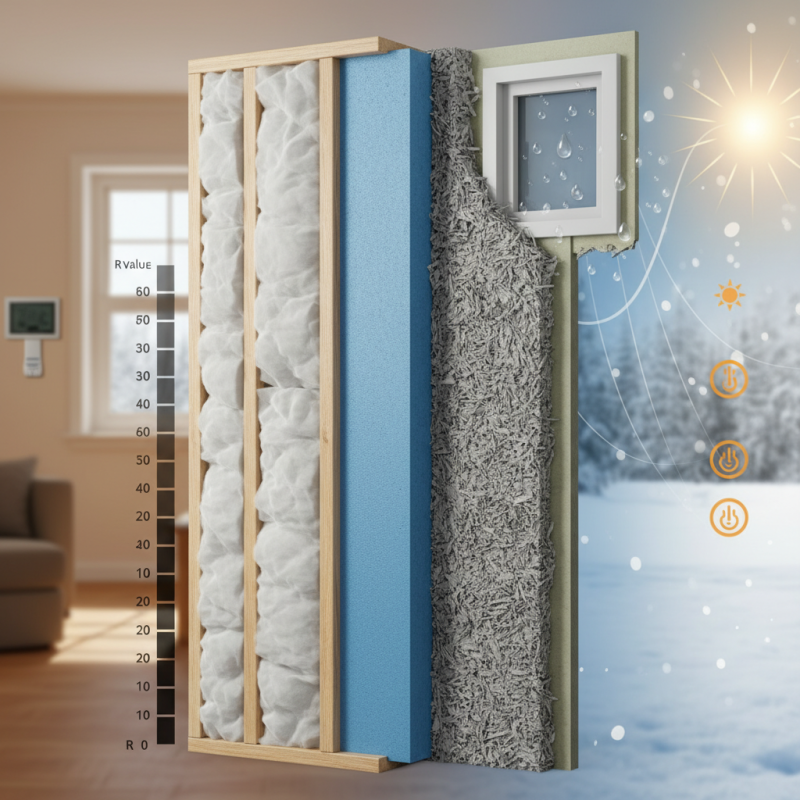
Factors Influencing Material Selection for Thermal Insulation
When selecting materials for thermal insulation, several factors play a crucial role. The material's R-value indicates its resistance to heat flow, crucial for efficiency. Higher R-values mean better insulation performance, but they often come at a higher cost. Buyers must balance performance with their budget, which can lead to difficult choices. In some cases, cheaper materials may require more frequent replacements, ultimately increasing costs.
Another significant factor is moisture resistance. Materials that absorb moisture can lose their insulating properties over time. This degradation might not be immediately obvious, making it essential to assess long-term performance. Environmental impact also matters. Eco-friendly materials are becoming more popular, but they can sometimes sell for a premium. Buyers should evaluate whether the benefits outweigh the price.
Installation ease cannot be overlooked. Complex installations may require skilled labor, thus increasing total expenses. Some materials are simple to install, making them suitable for DIY projects. Buyers often overlook the importance of proper installation, which directly affects thermal performance. Ultimately, choosing the right insulation requires careful consideration of multiple factors and a bit of trial and error.
Impact of Insulation Thickness on Thermal Performance
When it comes to thermal insulation, thickness plays a crucial role in its performance. According to the U.S. Department of Energy, insulation's R-value generally increases with thickness. For instance, doubling the thickness can enhance the R-value, thereby significantly improving energy efficiency. However, the law of diminishing returns applies here. Beyond a certain thickness, the added insulation may not yield proportionate benefits.
Research shows that an optimal thickness varies by climate. In colder regions, thicker insulation often leads to better energy retention. A study from the National Renewable Energy Laboratory emphasizes that a thickness of at least 12 inches is often required for optimal efficiency in harsh winter conditions. However, in milder climates, less thickness might be sufficient, potentially prompting buyers to reconsider their choices based on local needs.
Many buyers overlook practical aspects. For instance, installing excessive insulation may not just be costly; it could lead to issues such as moisture buildup. This adverse effect can compromise indoor air quality and structural integrity. It's crucial for consumers to strike a balance between thickness and cost-effectiveness while considering their specific climate and home design.
Role of R-Value in Assessing Insulation Efficiency
When assessing insulation efficiency, R-Value is a key metric. It quantifies thermal resistance, indicating how well a material retains heat.
Higher R-Values suggest better insulation performance. Various studies highlight that insulation materials with R-Values of R-30 and above can significantly reduce heating and cooling costs.
However, many homeowners overlook the importance of the specific type of insulation used.
The R-Value can be influenced by several factors. These include the material type, thickness, and installation quality.
For instance, fiberglass insulation typically offers an R-Value of around R-2.9 to R-3.8 per inch.
In contrast, closed-cell spray foam can achieve an R-Value of R-6 to R-7 per inch. This difference can lead to substantial energy savings in the long run.
However, many consumers may not consider adequate installation, leading to air leaks that undermine R-Value effectiveness.
A report from the Department of Energy notes that improper installation can reduce insulation effectiveness by up to 50%.
This emphasizes the need for professional installation and attention to details.
Proper sealing of gaps and ensuring continuous insulation layers can significantly enhance performance.
Buyers should consider these aspects critically to maximize thermal insulation benefits.
Environmental Considerations in Thermal Insulation Choices
When considering thermal insulation, environmental factors play a crucial role. Buyers often overlook how materials impact ecosystems. Sustainable choices can reduce carbon footprints. For instance, natural fibers such as wool or hemp offer excellent insulation while being biodegradable. These materials contribute less to landfill waste, promoting a circular economy.
Energy efficiency is another critical aspect. Some insulation products require high energy for production. Therefore, choosing insulation with lower embodied energy promotes sustainability. Reflective barriers can enhance energy savings in sunny climates. Understanding local climate conditions helps in making informed decisions.
However, there are trade-offs to consider. Some eco-friendly materials may not perform as well as synthetic alternatives. Cost can be a significant barrier for many buyers. Researching local suppliers can reveal options that balance cost and sustainability. Observing installation methods is essential, as improper application can diminish effectiveness.
Cost-Benefit Analysis of Different Insulation Solutions
When considering thermal insulation solutions, buyers should prioritize cost-benefit analyses. The initial investment may vary widely among different materials, but long-term savings can offset higher upfront costs. For example, while some advanced insulation options are pricier, they often lead to reduced energy bills. Homeowners should weigh these benefits carefully.
Different insulation types come with unique performance metrics. Fiberglass, for instance, offers decent insulation at a lower cost. However, it may not provide the same energy efficiency as spray foam, which seals gaps effectively but demands a significant initial outlay. Buyers must consider their individual needs and budgets. Evaluating local climate conditions can also play a crucial role in decision-making.
Reflecting on the environmental impact of insulation materials is another factor. Some products are more sustainable than others, influencing long-term choices. While many aim for maximum efficiency, the production processes of certain materials can be controversial. It's essential to research thoroughly and question perceived benefits. Remember to seek expert advice when needed. This ensures you make an informed choice that aligns with both your budget and values.
What Factors Affect Thermal Insulation Performance for Buyers?
FAQS
: R-value measures a material's resistance to heat flow. Higher R-values indicate better insulation efficiency.
Moisture-absorbing materials can lose their insulating properties over time. This impact may not be immediately noticeable.
Proper installation ensures maximum thermal performance. Gaps or poor sealing can significantly reduce insulation effectiveness.
Often, eco-friendly materials cost more. Buyers should weigh the benefits against their budget to make informed choices.
Yes, cheaper materials may need frequent replacements. This can ultimately increase overall costs, making long-term investment wise.
Understanding local climate conditions helps in selecting suitable insulation. This knowledge enhances energy efficiency and performance.
Check for gaps and ensure continuous insulation layers. Professional installation helps ensure proper applications and prevents performance issues.
Natural fibers like wool or hemp are biodegradable and provide good insulation. They support a circular economy and reduce landfill waste.
Some eco-friendly options may underperform compared to synthetic types. Research is needed to balance cost and sustainability effectively.
Poor installation can reduce R-value effectiveness by up to 50%. Attention to detail is crucial for maximizing insulation benefits.
Conclusion
When considering what factors affect thermal insulation performance, several key aspects come into play. Material selection is crucial, as different materials offer varying degrees of thermal resistance. Additionally, the thickness of insulation significantly impacts its effectiveness; thicker layers typically enhance performance by reducing heat transfer. The R-value, a measure of thermal resistance, serves as an essential criterion for assessing insulation efficiency, with higher values indicating better insulation.
Furthermore, environmental considerations are increasingly relevant in today's market. Eco-friendly insulation materials can not only reduce carbon footprints but also improve overall building sustainability. Finally, conducting a cost-benefit analysis is vital for buyers to evaluate the long-term savings versus the initial investment in insulation solutions. By understanding these elements, consumers can make informed decisions that enhance their property's energy efficiency.

 Homecoxa Panels