10 Essential Tips on Insulated Panels and How They Work?

Time:2026-03-30 Author:Sienna
0%

Insulated panels are gaining popularity in construction and design. They provide exceptional thermal performance and energy efficiency. But what exactly are insulated panels and how do they work? Understanding this technology is crucial for builders, architects, and homeowners alike.

These panels consist of two outer layers and a core of insulating material. They create a barrier against heat transfer, making buildings more energy-efficient. Whether for roofing, walls, or flooring, insulated panels can significantly reduce energy costs. However, their installation requires precision. Mistakes can lead to air leaks, undermining their benefits.

As we explore the essential tips, it's important to recognize the limitations of insulated panels. Their performance depends on various factors, including climate and installation quality. Be aware that every project might present unique challenges. With the right knowledge and careful planning, insulated panels can be a valuable asset in modern construction.
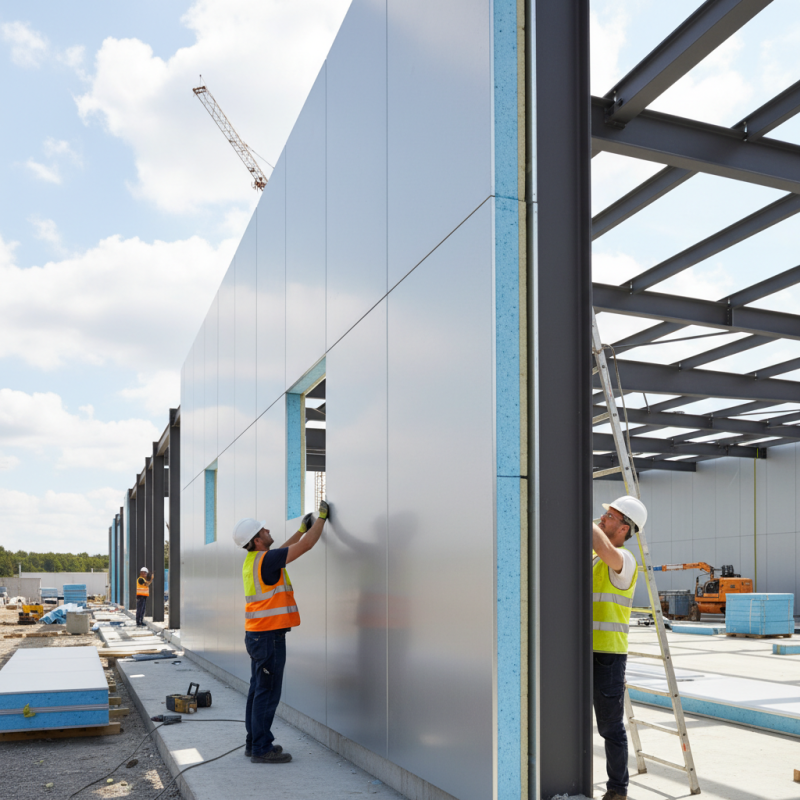
10 Essential Tips on Insulated Panels and How They Work?

Understanding Insulated Panels: Definition and Purpose

Insulated panels consist of two outer layers that enclose a core material. This design enhances energy efficiency by providing superior thermal insulation. The purpose of insulated panels is to maintain stable indoor temperatures and reduce energy consumption. According to a study from the U.S. Department of Energy, buildings with insulated panels can achieve up to 50% energy savings compared to traditional construction methods.

Managing the application of these panels requires understanding their specifications. When selecting panels, consider the R-value. A higher R-value indicates better insulation. A recent industry report highlighted that insulated panels with an R-value of 30 or more significantly lower heating and cooling costs.

Tip 1: Focus on the construction and assembly process. Proper installation ensures optimal performance. Misalignment during installation could lead to thermal bridging, diminishing the panel's effectiveness. This is a common oversight that can be easily avoided.

Tip 2: Regular maintenance is crucial. Check for any damage or wear that might affect insulation. Addressing small issues promptly can prevent larger problems later. A slight crack or gap can drastically increase energy loss, a concern often underestimated in building management audits.

Types of Insulated Panels: Materials and Applications

Insulated panels are versatile building materials, crucial for energy efficiency. They come in various types, each serving specific purposes. The most common materials include polyurethane, polystyrene, and mineral wool. Polyurethane panels offer excellent insulation, making them ideal for cold storage facilities. Polystyrene panels, lighter and easy to handle, are often used in residential buildings.

The applications of insulated panels are broad. They are commonly used in commercial structures like warehouses and factories. These panels can also be found in cold storage, refrigeration units, and even in modular buildings. Each type of panel has unique benefits and challenges. For example, mineral wool panels provide fire resistance but can absorb moisture. This characteristic might lead to issues if not monitored properly. Choosing the right type is essential.

Understanding the materials and applications of insulated panels helps in making informed decisions. It is crucial to consider the building's specific needs. This process requires careful thought and some trial and error. Selecting the wrong panel can result in higher energy costs and maintenance challenges. Balancing insulation efficiency with other factors is key.

Types of Insulated Panels: Materials and Applications

Mechanisms of Insulation: How Insulated Panels Work

Insulated panels are effective solutions for improving energy efficiency in buildings. They consist of two outer layers and an insulating core in between. This core, often made of materials like polyurethane or polystyrene, helps to reduce heat transfer. Understanding how insulated panels work can enhance their use in both residential and commercial applications.

When heat encounters an insulated panel, it can either be absorbed or reflected. The insulating material limits conductive heat transfer significantly. In cold climates, this means warmer indoor temperatures. In hot climates, it keeps interiors cooler. The effectiveness of these panels often depends on their thickness and the material used.

Using insulated panels can greatly benefit energy efficiency. Choose the right type based on your climate. Ensure proper installation to avoid gaps that diminish effectiveness. Regular maintenance is crucial; wear can compromise insulation. Keep an eye out for signs of damage, as even small issues can escalate. Understanding these mechanisms enhances your ability to utilize insulated panels effectively.

Installation Best Practices for Insulated Panels

Installing insulated panels requires a keen understanding of best practices. Proper installation directly affects energy efficiency and the lifespan of the panels. Industry data shows that a well-installed panel can improve energy savings by up to 30%. Attention to detail during installation can significantly reduce thermal bridging, a common issue where heat transfers through structural materials, compromising insulation effectiveness.

Preparation is key. Ensure the surfaces are clean and dry before installation. Utilizing high-quality sealants can prevent air leaks, enhancing the overall insulation performance. According to a study by the Building Sciences Corporation, improper sealing can lead to energy loss exceeding 25%, highlighting the need for diligent work. Some installers overlook critical details, such as ensuring panels are level or correctly aligning seams. This folly can create weak points in the structure.

Regular inspections during and after installation are crucial. Inspect for gaps or misalignments. Early detection can prevent long-term performance issues. However, even the most experienced installers can face challenges. Weather conditions, such as high humidity or rain, may impact adhesion. Adaptations might be needed, but acknowledging these factors can lead to improved results next time. Engaging a skilled team familiar with these complexities can make all the difference in achieving desired performance.

Maintenance Tips for Longevity of Insulated Panels

Maintaining insulated panels is crucial for their longevity and effectiveness. Regular inspection is a key part of the maintenance process. Look for signs of wear, such as cracks or dents. If you notice any damage, address it promptly. Ignoring these issues may lead to more significant problems and higher repair costs.

Cleaning is another essential maintenance tip. Use gentle cleaning agents to keep the panels free from dirt and debris. Avoid harsh chemicals that can damage the surface. A simple wash with soap and water can do wonders for their appearance and functionality. Don't forget to rinse thoroughly to remove any residue.

Finally, ensure proper sealing around the edges of the panels. Over time, seals can wear out, leading to energy loss and moisture infiltration. Inspect seals regularly and replace them as needed. A good seal enhances the efficiency of the insulated panels and prolongs their lifespan. Neglecting this can lead to costly energy bills and reduced comfort.

FAQS

: What are insulated panels?

: Insulated panels are building materials with two outer layers and an insulating core, enhancing energy efficiency.

How do insulated panels improve energy efficiency?

They limit heat transfer, keeping interiors warmer in winter and cooler in summer.

What materials are commonly used for the insulating core?

Common materials include polyurethane and polystyrene, valued for their durability and insulation properties.

Why is proper installation important for insulated panels?

Proper installation reduces energy loss and extends the lifespan, improving overall performance significantly.

What should be checked during installation?

Ensure surfaces are clean, panels are level, and seams are properly aligned to avoid gaps.

How often should insulated panels be inspected?

Regular inspections should be done to identify signs of wear or damage, addressing issues promptly.

What cleaning methods are safe for insulated panels?

Use gentle cleaning agents like soap and water; avoid harsh chemicals that can harm their surface.

What maintenance is needed for seals around insulated panels?

Regularly inspect and replace worn seals to prevent energy loss and moisture issues.

What can happen if damage to insulated panels is ignored?

Ignoring damage can lead to larger problems, increased repair costs, and higher energy bills.

How do weather conditions affect installation?

High humidity or rain can impact adhesion, causing potential issues during the installation process.

Conclusion

Insulated panels are composite materials designed to provide thermal insulation while maintaining structural integrity. What are insulated panels and how do they work? These panels typically consist of a core material, such as foam, sandwiched between two outer layers, which can be made from various materials including metal, plastic, or concrete. This configuration helps reduce heat transfer, making them ideal for energy-efficient building applications.

Understanding the different types and applications of insulated panels is crucial for selecting the right product for specific needs. Proper installation practices are essential to maximize their effectiveness, ensuring a tight seal that prevents air leaks. Additionally, regular maintenance is necessary to ensure the longevity of insulated panels, preserving their insulation properties over time. By following these tips, you can optimize the performance of insulated panels in both commercial and residential settings.

Sienna

Sienna

Sienna is a skilled marketing professional with a deep expertise in our company’s core products and services. With a passion for innovation and detail, she plays a pivotal role in crafting insightful blog posts that not only highlight the unique features of our offerings but also provide valuable......