In the realm of modern construction, selecting the right materials is crucial. Insulated panels stand out for their efficiency and sustainability. According to the U.S. Department of Energy, buildings account for nearly 40% of total energy use. This statistic highlights why insulated panels are important in modern construction. They significantly reduce energy consumption while enhancing structural integrity.
The global insulated panel market was valued at approximately $9.2 billion in 2021, as reported by Grand View Research. This growth reflects an increasing demand for energy-efficient building solutions. Insulated panels provide superior thermal insulation and faster assembly times. They minimize the need for extensive HVAC systems, helping to lower operational costs.
However, the choice of insulated panels can be overwhelming. Different materials and configurations are available. Engaging with industry professionals can clarify options and ensure optimal performance. By understanding the benefits and limitations of insulated panels, builders can make informed decisions that align with both sustainability goals and budget constraints.
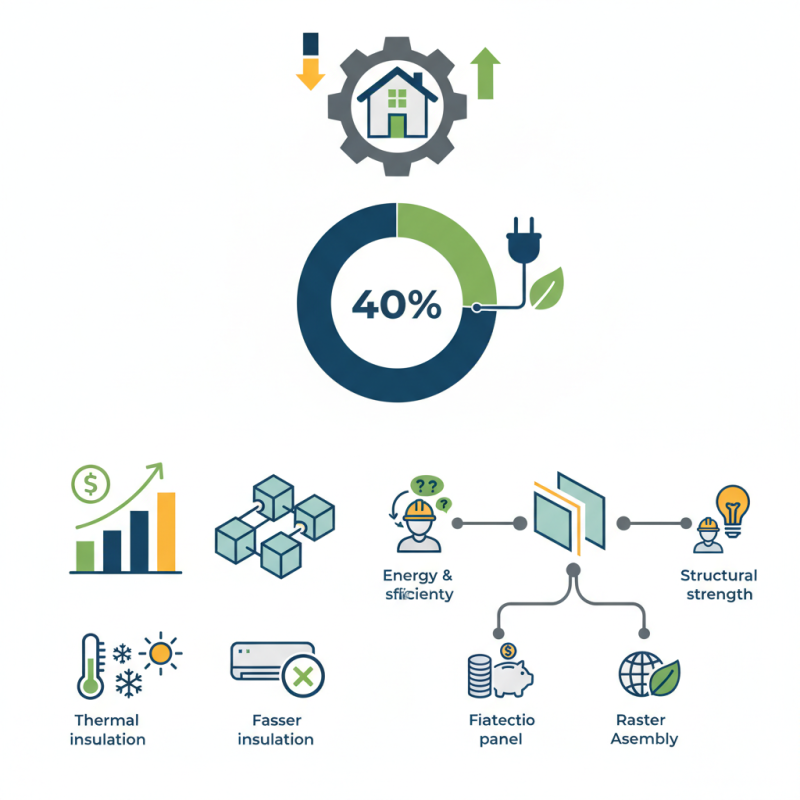
Understanding Insulated Panels and Their Functionality
Insulated panels play a vital role in modern construction. Their design facilitates energy efficiency, reducing utility bills significantly. According to industry reports, buildings using insulated panels can save up to 30% on heating and cooling costs compared to traditional methods. This is a crucial consideration as energy prices continue to rise.
Understanding the functionality of insulated panels is essential. These panels consist of multiple layers that provide thermal performance and structural integrity. The core materials often include expanded polystyrene or polyurethane, known for their excellent insulating properties. A study conducted by the International Journal of Energy Research highlighted that insulated structures can maintain indoor temperatures more effectively, leading to improved comfort levels.
While insulated panels offer numerous advantages, there are challenges as well. Installation requires skilled labor to ensure proper alignment and sealing. Poor workmanship can lead to compromised energy efficiency. Additionally, the initial investment can be higher than traditional materials, prompting some builders to hesitate. Balancing these factors is key for achieving long-term benefits.
Types of Insulated Panels for Modern Construction
Insulated panels have become essential in modern construction. They enhance energy efficiency and provide structural support. Various types are available, each with unique benefits.
Structural insulated panels (SIPs) are popular for their strength and insulation properties. They consist of an insulating foam core sandwiched between two structural facings, often OSB or plywood. SIPs can reduce construction time while improving thermal performance. However, they may require careful installation to avoid moisture issues.
Another option is insulated metal panels (IMPs). These panels are lightweight and easy to install. They often feature a rigid foam core, providing excellent insulation. While they allow for versatile design, make sure to account for potential thermal bridging. Additionally, some builders choose polyisocyanurate panels for their high insulation value and affordability. Evaluating project needs is critical to ensure the right choice.
Key Benefits of Using Insulated Panels in Building Projects
Insulated panels are increasingly popular in modern construction. They offer several advantages that can significantly enhance building projects. One major benefit is energy efficiency. These panels help maintain consistent indoor temperatures, reducing heating and cooling costs significantly. By minimizing energy loss, property owners can lower their utility bills.
Another important aspect is the speed of construction. Insulated panels are pre-fabricated, which allows for faster assembly on-site. This efficiency can shorten project timelines, reducing overall labor costs. Some builders find this approach less stressful, given the reduced on-site work. However, improper installation can lead to issues, so attention to detail is critical.
In terms of durability, insulated panels resist various environmental factors. They can withstand harsh weather, reducing maintenance needs. However, specific materials may degrade over time. Builders should consider this aspect for long-term projects. Choosing the right insulation can influence overall performance, thus requiring careful consideration.
Factors to Consider When Selecting Insulated Panels
When choosing insulated panels for modern construction, several factors stand out. First, consider the panel's R-value, which measures thermal resistance. A higher R-value means better insulation. This impacts energy efficiency. In a world focusing on sustainability, many builders look for panels that provide excellent insulation while reducing heating costs.
Next, assess the materials used in the panels. Some are made from polyurethane, while others use polystyrene or mineral wool. Each material has its own benefits and drawbacks. Polystyrene panels are lightweight, yet may not provide the same fire resistance as mineral wool. Think about the local climate, too. A panel suitable for a cold environment may not perform well in warmer regions.
Lastly, installation is key. Improperly installed panels can lead to air leaks and diminished efficiency. Hire a qualified contractor for this task. Reflect on the long-term costs versus initial savings. Sometimes, cheaper options can lead to expensive repairs down the line. Balancing immediate needs with future considerations is crucial when selecting the right insulated panels.
Factors Influencing the Choice of Insulated Panels in Modern Construction
Installation and Maintenance Tips for Insulated Panels
When it comes to installing insulated panels, proper preparation is essential. Begin by assessing the installation area. Ensure the surface is clean and dry for optimal adhesion. Ideally, panels should be installed in moderate weather conditions. Extreme heat or cold can affect the adhesive properties. Using a level is vital. Uneven surfaces can lead to gaps, compromising insulation effectiveness.
Handling panels requires care. Use protective gear to avoid injury. When lifting, get assistance for larger panels. Misalignment during installation can create difficulties later. Measure twice, cut once. Making accurate cuts prevents waste and enhances installation efficiency. Once installed, regularly check for any damage or wear. Timely repairs can prevent larger issues.
Maintenance is equally crucial for longevity. Clean panels using mild soap and water. Avoid abrasive materials that could scratch the surface. Inspect the seals periodically. Deteriorating seals can lead to air leaks. Address any issues promptly to ensure the panels perform efficiently. Reflect on your installation process. Lessons learned can improve your next project.
How to Choose Insulated Panels for Modern Construction Benefits? - Installation and Maintenance Tips for Insulated Panels
| Dimension |
Material |
R-Value (Thermal Resistance) |
Installation Method |
Maintenance Tips |
| 4' x 8' |
Polyurethane |
R-25 |
Direct Applied |
Regular inspection for seal integrity |
| 4' x 10' |
EPS (Expanded Polystyrene) |
R-20 |
Mechanical Fasteners |
Check for moisture accumulation |
| 5' x 8' |
Polyisocyanurate |
R-30 |
Adhesive Applied |
Clean surfaces to prevent water damage |
| 3' x 10' |
Steel Faced |
R-18 |
Snap Lock |
Inspect seams and joints regularly |
| 5' x 5' |
Fiberglass |
R-15 |
Frame Installed |
Ensure ventilation for absorption |
FAQS
: Insulated panels are construction materials that improve energy efficiency. They help reduce utility bills significantly.
They offer better thermal performance. This can lead to savings of up to 30% on heating and cooling costs.
Common core materials include expanded polystyrene and polyurethane. These materials are known for their excellent insulation properties.
SIPs consist of an insulating foam core between two structural facings. They provide strength and improve thermal performance.
Installation requires skilled labor to ensure proper sealing. Poor workmanship may compromise their energy efficiency.
Yes, IMPs are lightweight. However, consider potential thermal bridging in your design.
Initial investments can be higher than traditional materials. This might deter some builders from choosing them.
They help maintain stable indoor temperatures. This results in better comfort levels within the building.
It is crucial to ensure long-term benefits. Poor installation can lead to moisture issues and decreased performance.
Assess the project's specific needs. This will help in selecting the right type of insulated panel.
Conclusion
Insulated panels are crucial in modern construction as they enhance energy efficiency and structural integrity. These panels come in various types, including structural insulated panels (SIPs), insulated concrete forms (ICFs), and composite panels, each designed to meet specific construction needs. The benefits of using insulated panels include improved thermal performance, reduced energy costs, and a streamlined installation process, making them a preferred choice for contemporary building projects.
When selecting insulated panels, it is essential to consider factors such as insulation material, R-value, and environmental impact. Proper installation and maintenance further ensure longevity and performance. Understanding why insulated panels are important in modern construction helps builders and architects develop designs that not only meet aesthetic and functional goals but also contribute to sustainability and energy efficiency in the built environment.

 Homecoxa Panels