In the construction industry, the choice of materials significantly impacts a project's success. Lightweight building materials have gained popularity in recent years. They offer unique advantages that traditional materials often lack. This shift prompts the question: what are the benefits of lightweight building materials?
Consider the ease of handling. Lightweight materials can reduce labor costs, as fewer workers are needed for transport and installation. Additionally, these materials can contribute to quicker project completion times. This speed is crucial in today's fast-paced construction environment. Furthermore, they improve energy efficiency due to better insulating properties. This results in reduced energy bills over time.
Yet, it's essential to reflect on the potential drawbacks. While lightweight materials are convenient, they may not always provide the same strength and durability as heavier alternatives. We must carefully evaluate our choices. In exploring lightweight materials, we should weigh their advantages against any limitations.
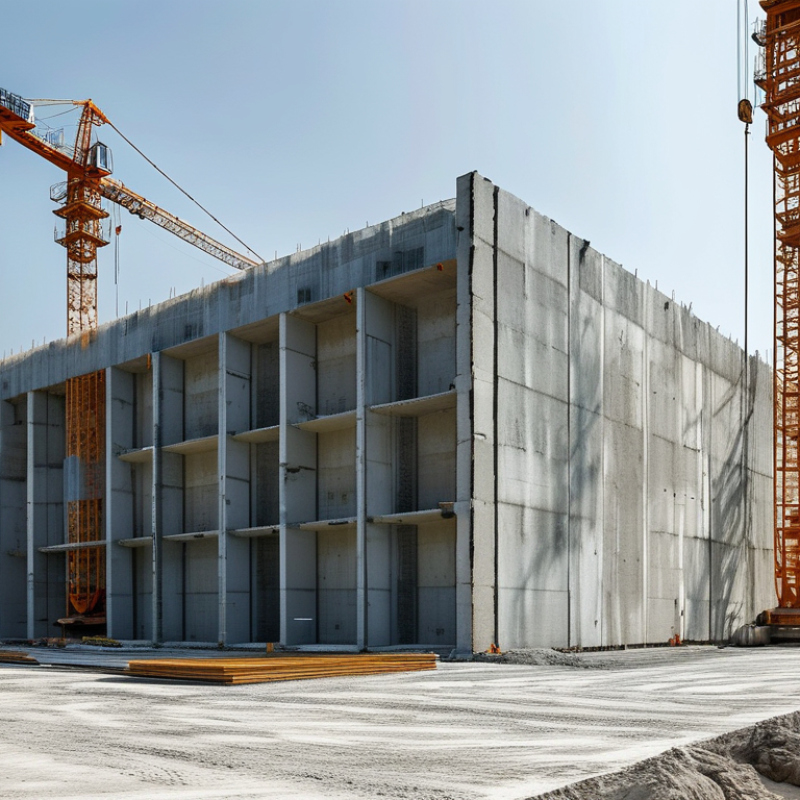
Lightweight building materials are gaining popularity in modern construction. These materials reduce the overall weight of structures, leading to lower transportation costs and easier handling on site. According to a report by the National Institute of Standards and Technology, using lightweight materials can cut construction costs by 15-20%. This is significant for budget-conscious projects.
In addition to cost savings, lightweight materials improve energy efficiency. Their superior insulation properties help maintain temperature control in buildings. The U.S. Department of Energy states that proper insulation can reduce energy consumption by up to 30%. This leads not only to lower energy bills but also to a smaller carbon footprint.
Tip: When selecting lightweight materials, consider their durability and long-term performance. Testing materials under different conditions can provide valuable insights into their suitability for your project.
While the benefits are clear, it’s essential to recognize potential challenges. Some lightweight materials may lack the strength of traditional alternatives. It's crucial to ensure that they comply with safety standards. A careful examination of material properties will help avoid future issues.
Tip: Always seek advice from building professionals. Their expertise can guide you in making the best material choices.
When considering building materials, the choice between lightweight and traditional options is pivotal.
Lightweight materials often offer superior advantages. For instance, they significantly reduce the overall building weight.
This reduction can lead to lower foundation costs, enabling projects to stay within budget. Engaging with lightweight options can streamline construction timelines.
Fewer workers may be needed, allowing for greater project efficiency.
On the other hand, traditional materials like concrete and brick remain widely used. They provide proven durability and strength, essential for specific structures.
However, they come with higher transportation costs and labor requirements. Some might worry about their thermal performance compared to lighter alternatives.
While both options have their merits, exploring lightweight materials can reveal innovative potentials. Balancing the pros and cons of each type is crucial.
Each project's unique demands will shape the final decision.
Lightweight building materials can significantly enhance project budgets. Their lower weight means reduced transportation costs. When materials are lighter, they enable faster installation. This can lead to shorter project timelines and reduced labor costs. Therefore, choosing lightweight materials often brings financial relief during construction.
Consider this: lighter materials can also minimize the need for heavy machinery. This can save not just on rentals, but also on fuel costs. It's worth considering how these savings accumulate over the course of a project. However, it is essential to ensure that the materials chosen do not compromise structural integrity. Conduct thorough research on the materials' performance and strength.
Tip: Always factor in the long-term savings of maintenance when budgeting for materials. Sometimes, using more expensive lightweight materials can lead to overall cost savings due to their durability. Balance cost with the advantages they offer. Improving building efficiency can indeed reflect positively on your budget in the long run.
Lightweight building materials have gained significant attention due to their positive impact on energy efficiency ratings. According to a report by the U.S. Department of Energy, incorporating lightweight materials can reduce overall energy consumption by up to 30%. This reduction is largely attributed to their lower thermal mass compared to traditional materials. Lower thermal mass means these materials can achieve and maintain optimal indoor temperatures with less energy input.
In addition, lightweight materials often enable better design flexibility. As a result, they can facilitate innovative building shapes that maximize natural light. With up to 25% more daylight in interior spaces, energy reliance on artificial lighting decreases. A study by the National Renewable Energy Laboratory showed that buildings designed with such features often earn higher Energy Star ratings. However, not every project benefits equally from lightweight materials. Some applications may not fully leverage their advantages, leading to potential energy inefficiencies.
When it comes to structural integrity, the use of lightweight materials presents challenges as well. Ensuring adequate strength while maintaining reduced weight requires careful engineering. This complexity can sometimes negate potential energy savings, making thorough analysis and expert consultation crucial. By understanding these nuances, professionals can better harness the energy-efficient potential of lightweight materials in their projects.
Choosing lightweight building materials offers numerous advantages. To make sustainable choices, it's essential to consider both environmental impact and resource efficiency. Lightweight materials often require less energy during production and transport. This can lead to reduced carbon emissions overall, making them more eco-friendly than traditional options.
It’s important to look closely at the lifecycle of materials. What is their source? How are they manufactured? These questions can reveal significant insights into sustainability. For example, recycled or renewable resources often come with a lower environmental footprint.
**Tips:** Consider materials that are locally sourced. This reduces transportation emissions. Be cautious, though; local materials may not always be the best choice for every project. Always assess their performance and properties in the context of your specific needs.
When evaluating lightweight options, also reflect on their durability. Less material may seem beneficial, but it shouldn’t compromise strength. Balancing weight and performance is key. Do your research, and don’t hesitate to ask for expert opinions on material selection. Always aim for better solutions, keeping environmental sustainability in mind.
| Material Type | Density (kg/m³) | Thermal Conductivity (W/m·K) | Recyclability | CO2 Emissions (kg CO2/m³) |
|---|---|---|---|---|
| EPS Foam | 15 | 0.035 | Yes | 100 |
| Lightweight Concrete | 1600 | 0.18 | Yes | 150 |
| Wooden Panels | 500 | 0.12 | Yes | 30 |
| Steel Framing | 7850 | 50 | Yes | 70 |
| Recycled Plastic | 900 | 0.22 | Yes | 25 |
: Lightweight materials reduce overall weight, lowering transportation costs and improving energy efficiency.
Using lightweight materials can cut construction costs by 15-20%, making projects more budget-friendly.
Yes, proper insulation from lightweight materials can reduce energy consumption by up to 30%, lowering energy bills.
Consider durability and long-term performance. Testing under various conditions can help avoid future issues.
Some may lack the strength of traditional materials. It's essential to ensure they meet safety standards.
Their reduced weight often allows for faster installation and may require fewer workers, streamlining construction.
While traditional materials offer proven strength, lightweight options can provide cost efficiency and innovative potential.
They can minimize the need for heavy machinery, saving on rentals and fuel costs during the project.
Balance the initial cost against potential long-term savings in maintenance and energy efficiency.
Not necessarily. Weigh the pros and cons. Each project's unique requirements may require a mixed approach.
Lightweight building materials have become increasingly popular in modern construction due to their numerous advantages. What are the benefits of lightweight building materials? Firstly, they offer significant ease of handling and installation, which can enhance overall project efficiency. Compared to traditional materials, lightweight options often reduce transportation costs and labor expenses, making them a cost-effective choice for project budgets.
Moreover, the impact of lightweight materials extends beyond mere economics; they contribute positively to energy efficiency ratings by reducing the overall energy consumption of buildings. This aligns with increasing sustainability considerations in construction, as lightweight materials typically have a lower environmental footprint. In summary, the adoption of lightweight building materials provides a blend of cost savings, energy efficiency, and sustainability benefits that can greatly enhance construction projects.

Homecoxa Panels