In recent years, the urgent need to address climate change has brought building energy efficiency to the forefront. The U.S. Department of Energy reports that buildings account for nearly 40% of total energy consumption. Consequently, knowing how to improve energy efficiency in buildings has become essential for reducing carbon footprints and operating costs.
Innovative technologies and practices can significantly enhance energy performance. For instance, implementing smart thermostats can cut energy usage by 10 to 20%. Yet, many building owners are slow to embrace these changes. Barriers such as high initial costs and a lack of awareness about potential savings persist.
It's crucial to realize that enhancing energy efficiency is not a one-size-fits-all solution. Each building has its unique challenges. Experts emphasize the necessity for tailored strategies. Effective solutions might range from insulation upgrades to advanced HVAC systems. Reflecting on past initiatives can inspire new approaches and identify areas for improvement. Designing energy-efficient buildings is not merely an option; it’s a responsibility we can no longer ignore.
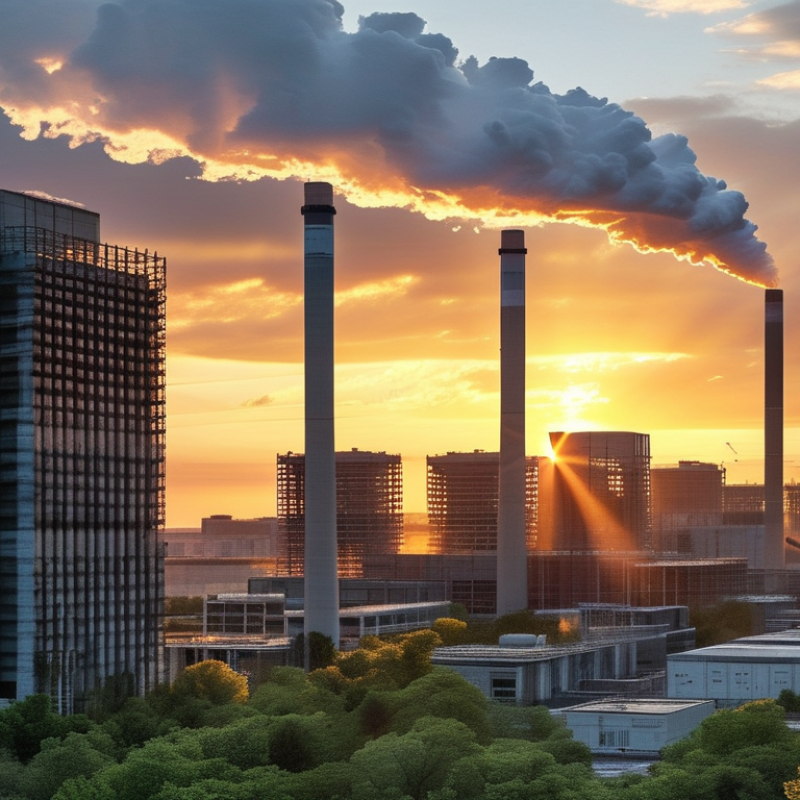
Energy efficiency in buildings plays a crucial role in addressing global challenges like climate change and resource depletion. Improved energy use reduces greenhouse gas emissions. Engaging in energy efficiency can lead to reduced operational costs for homeowners and businesses. This kind of forward-thinking saves money over time and conserves valuable resources.
Implementing energy-efficient systems and practices creates healthier indoor environments. Better ventilation and natural lighting promote well-being. Yet, many buildings still operate with outdated systems. This oversights squander energy and increase utility bills. Regular assessments can highlight areas needing improvement. Even small changes can lead to meaningful differences in energy consumption.
Retrofitting existing structures can pose challenges. There may be budget constraints or building restrictions. Nonetheless, as we navigate these complexities, prioritizing energy efficiency remains essential. Balancing initial investment with long-term savings requires thoughtful planning. It might not always be easy, but the benefits of enhanced energy efficiency significantly outweigh the hurdles.
Conducting energy audits is essential for improving energy efficiency in buildings. These audits provide a comprehensive analysis of energy usage. They identify inefficiencies and offer actionable solutions. By assessing the current systems, professionals can pinpoint specific areas for improvement. This approach helps in creating tailored strategies for energy conservation.
During the audit, various components are evaluated. This includes heating, cooling, and lighting systems. Insulation quality also plays a significant role. Detailed measurements and assessments help building owners understand their energy consumption patterns. It's not just about finding issues; it’s about recognizing potential. Awareness often leads to meaningful changes.
Engaging experts in energy audits brings credibility. They provide insights based on experience and technical knowledge. However, not every audit will yield immediate results. Some buildings may require time to implement changes. It’s crucial to reflect on what worked and what didn’t. Improvement is a continuous journey, often involving trial and error.
Incorporating renewable energy sources in building design can significantly enhance energy efficiency.
Solar panels are a popular choice. They harness sunlight to generate electricity. This reduces reliance on non-renewable energy.
Wind turbines are another option. Buildings can install small turbines on rooftops, tapping into wind energy. This adds to the energy supply and reduces bills.
Geothermal systems offer an innovative solution too.
They utilize the earth's natural heat for heating and cooling. This method can lower energy use. However, implementation can be costly, and not all locations are suitable.
Biomass systems convert organic materials into energy. While effective, they require careful sourcing to avoid sustainability issues.
Incorporating renewable energy is not just beneficial; it also involves challenges.
Building owners must consider local regulations and initial investment costs. Balancing these factors is essential for success.
Each building's design must reflect its specific context. This ensures that renewable energy integration is effective and contributes positively to overall energy efficiency.
Upgrading insulation and sealing gaps in buildings significantly boosts energy efficiency. According to the U.S. Department of Energy, nearly 30% of a building's energy use can be lost through unsealed gaps. Improving insulation not only reduces energy costs but also enhances comfort.
Proper insulation minimizes heat transfer, keeping buildings warmer in winter and cooler in summer. The EPA notes that a well-insulated building can save homeowners 15% or more on heating and cooling costs. However, many buildings have outdated or insufficient insulation, which invites energy waste.
Tips: Conduct a thorough inspection for air leaks around windows, doors, and vents. Use weatherstripping and caulk to seal gaps. Consider upgrading to high-quality, energy-efficient insulation materials that suit your climate. While investing in these upgrades requires capital, the long-term savings often outweigh the initial costs. Reflect on your building's current energy performance. Are there obvious areas of heat loss? Addressing these issues can lead to significant improvements.
Smart technology is transforming energy management systems in buildings. These systems enhance efficiency, reducing waste and costs. They enable real-time monitoring of energy usage. Sensors track occupancy and adjust lighting accordingly, leading to significant energy savings. Integration with weather forecasts allows for proactive adjustments in heating and cooling.
Data analytics is vital in this process. It provides insights into energy consumption patterns. However, interpreting this data can be complex, requiring skilled professionals. Not all buildings have the necessary infrastructure for optimal smart system deployment. Upgrading can be costly and time-consuming.
User engagement plays a critical role. Educating occupants about energy efficiency practices encourages sustainable habits. Sometimes, residents resist change, leading to wasted potential. Therefore, ongoing communication and feedback are essential. Optimizing these systems remains a work in progress, with challenges that offer opportunities for improvement.
| Method | Description | Energy Savings (%) | Implementation Cost ($) |
|---|---|---|---|
| Smart Thermostats | Automated temperature control based on occupancy | 10-15% | 200-400 |
| LED Lighting | Replacing incandescent bulbs with LED alternatives | 40-75% | 50-200 |
| Energy Management Systems | Real-time monitoring and control of energy use | 15-30% | 5,000-20,000 |
| High-Efficiency HVAC Systems | Upgrading to more efficient heating and cooling systems | 20-40% | 3,000-10,000 |
| Building Insulation | Improving thermal resistance of walls and roofs | 15-30% | 1,500-5,000 |
| Window Replacements | Installing energy-efficient windows to reduce heat loss | 10-25% | 5,000-15,000 |
| Smart Power Strips | Reducing phantom loads from inactive devices | 5-10% | 20-50 |
| Solar Panels | Utilizing renewable energy for electricity generation | 25-50% | 10,000-30,000 |
| Automated Blinds | Controlling natural light to optimize heating and cooling | 10-15% | 500-2,000 |
: Energy efficiency helps combat climate change and reduces resource depletion. It lowers greenhouse gas emissions and operational costs.
Improved energy use leads to long-term savings on utility bills. Smart investments in efficiency reduce ongoing costs over time.
Energy-efficient systems create healthier indoor environments with better ventilation and natural lighting. This promotes well-being for occupants.
Outdated systems waste energy and increase utility bills. Many buildings still rely on these inefficient setups, overlooking potential savings.
Regular assessments identify areas needing improvement. They help highlight inefficiencies that, when addressed, can lead to significant energy savings.
Retrofitting can face budget constraints and building restrictions. Careful planning is needed to balance investments with long-term benefits.
Energy audits analyze energy usage and identify inefficiencies. They offer actionable solutions tailored to each building's needs.
Audits evaluate heating, cooling, lighting, and insulation systems. Measurements help understand energy consumption patterns and recognize potential efficiencies.
Experts bring credibility and insights from their experience. They can identify issues and suggest effective strategies for improvement.
Not every audit yields instant results. Some changes take time. Reflection on successes and failures is important for ongoing improvement.
Improving energy efficiency in buildings is crucial for reducing energy consumption and minimizing environmental impact. One effective approach is conducting energy audits, which identify areas of improvement and potential savings. Incorporating renewable energy sources, such as solar panels and wind turbines, into building design can significantly enhance sustainability. Additionally, upgrading insulation and sealing gaps helps maintain comfortable indoor temperatures while lowering energy bills.
To further optimize energy management, utilizing smart technology enables real-time monitoring and control of energy usage, ensuring that systems operate efficiently. By adopting these strategies, building owners and managers can learn how to improve energy efficiency in buildings, ultimately contributing to a greener future while also reducing operational costs.

Homecoxa Panels