2026 Best Ways to Improve Construction Material Durability

Time:2026-11-04 Author:Oliver
0%

Construction materials rarely fail overnight. A hairline crack beside a window, rust staining below a balcony, or damp concrete around a column can signal a larger durability problem. This guide explores how to improve durability of construction materials through sound design, careful installation, and realistic maintenance planning. The goal is not simply to choose stronger products. It is to match each material to its exposure, workmanship, and expected service life.

Concrete durability researcher Dr. Michael D.A. Thomas has studied how cement composition and environmental exposure affect concrete performance. A fair paraphrase of his research is: “Durability starts with designing concrete for the conditions it will face.” That principle matters on site. Salt spray, freeze-thaw cycles, standing water, and chemical exposure each demand different protections. A suitable mix may still underperform if workers add excess water or leave reinforcement cover too thin. Details matter.

There is no universal fix. A coating can slow moisture entry, but it cannot repair poor drainage or a moving crack. Material selection, curing, joint design, and inspection work together. Small oversights add up. This article will examine practical strategies, from choosing corrosion-resistant reinforcement to protecting timber from persistent moisture. It will also consider trade-offs: added protection costs money, while neglected maintenance can cost more later. Project conditions vary, and even a careful plan may need revision after the first season of service.
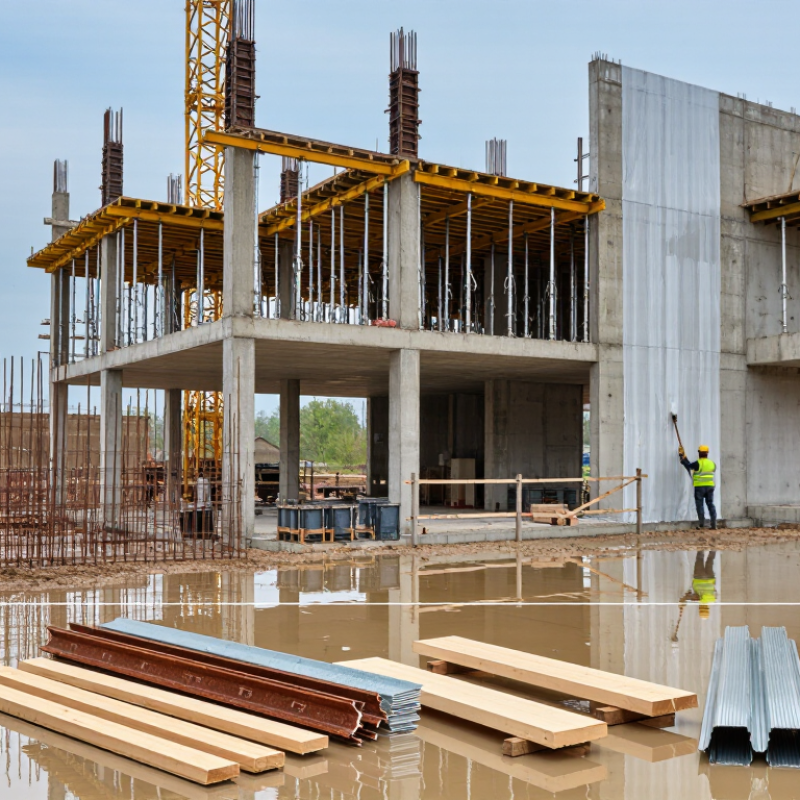
2026 Best Ways to Improve Construction Material Durability

Understanding Construction Material Durability and Its Key Measures

Construction material durability describes how well a material retains its required performance under real exposure over time. It is not simply strength. A concrete slab, for example, may carry heavy loads yet deteriorate when water and salts repeatedly enter its pores. Durability depends on the material, detailing, workmanship, and environment. Context matters. Useful measures include resistance to moisture, freeze-thaw cycling, corrosion, abrasion, heat, and chemical attack. Specify which risks apply; a coastal wall and an indoor partition face different stresses.

Measurements may come from standardized laboratory tests, field inspections, or service-life estimates. A water-absorption result, compressive-strength value, or coating-thickness check answers a limited question, not every durability question. Compare test conditions with the actual project: temperature swings, drainage, load cycles, and maintenance access can change outcomes. Look also for crack width, surface scaling, rust stains, joint failure, and repair frequency over time. Small cracks count. Records should include dates, locations, methods, and observed conditions so later comparisons are meaningful. Still, ratings cannot predict every installation flaw or unusual exposure. That limitation deserves attention.

Identifying Environmental and Design Factors That Cause Material Deterioration

Construction materials rarely deteriorate for one reason. Moisture, temperature changes, sunlight, and airborne salts can work together. Water enters through hairline cracks or poorly sealed joints, then freezes and expands in cold weather. The damage may look minor at first. Over time, edges spall, coatings peel, and reinforcement can corrode. On coastal sites, salt carried by wind can speed up that process. Strong materials still need protection.

Design choices influence how long materials last. Flat surfaces that hold rainwater, blocked drainage paths, and details that trap dampness create avoidable stress. A roof edge should shed water clear of the wall, not guide it into a joint. Material compatibility matters, too: different rates of thermal movement can loosen connections or crack a rigid finish. Small details matter.

Installation and maintenance affect the outcome. Concrete needs suitable curing, while timber benefits from details that let it dry after rain. Construction schedules can make proper curing difficult, and that deserves more attention than it often gets. Even a careful design may miss a local exposure, such as de-icing salts near an entrance. Check site conditions, drainage, joints, and surface wear regularly; small defects are easier to address before water reaches the structure.

Selecting Durable Materials for Different Construction Applications

Durability starts with exposure, not a generic “premium” label. ASCE’s 2021 Infrastructure Report Card counted 42,951 U.S. bridges as structurally deficient. Water and chloride exposure can accelerate concrete deterioration, so material choice and detailing must work together. Exposure matters.

For coastal structures and roads treated with de-icing salts, specify low-permeability concrete, suitable reinforcement, and adequate cover. Confirm performance through project-specific testing and clear specifications. For warehouse floors, focus on abrasion resistance and the expected wheel loads. On roofs, match the waterproofing system to standing water, temperature swings, and ultraviolet exposure. Timber used outdoors needs protection suited to its moisture and decay risks. Details matter.

UNEP and GlobalABC’s 2022 Global Status Report found that buildings and construction accounted for 37% of global energy- and process-related carbon dioxide emissions in 2021. Longer service life can reduce replacement needs, but durability alone does not guarantee lower emissions. Ask for test results tied to the real exposure, such as freeze-thaw, water absorption, or abrasion. No material is maintenance-free. I still see maintenance treated as an afterthought in material schedules; it is an easy mistake to repeat.

2026 Best Ways to Improve Construction Material Durability

Indicative service-life ranges for selected construction materials and systems

These broad planning ranges vary with climate, exposure, installation quality, design details, and maintenance. Choose materials suited to the application, protect vulnerable surfaces, and inspect and maintain them regularly to help extend service life.

Applying Protective Treatments and Proper Installation Methods

Durability often depends less on the material alone than on how it is protected and installed. Before applying a coating, check the product instructions, substrate condition, and weather limits. Concrete should be clean and sufficiently cured; wood needs suitable moisture levels before sealing. Metal surfaces need rust, oil, and loose scale removed, or coatings may fail early. Small checks matter.

Apply treatments evenly, paying close attention to cut ends, joints, fasteners, and edges where water can enter. Use compatible primers and sealants, and allow each layer to dry for the stated time. Rushed drying is tempting. Yet trapped moisture can blister finishes or weaken adhesion. Keep drainage paths open, separate dissimilar materials where needed, and avoid sealing over wet surfaces. These details are easy to miss.

Installation quality matters just as much: follow specified clearances, fastening patterns, joint widths, and movement allowances. Store materials off the ground and cover them without trapping condensation. Inspect after installation, then recheck exposed areas seasonally for cracks, corrosion, peeling, or damp spots. No treatment lasts forever. Some products need reapplication, while harsh exposure can shorten service intervals. Conditions vary, and one imperfect detail can undo otherwise careful work.

2026 Best Ways to Improve Construction Material Durability — Applying Protective Treatments and Proper Installation Methods
Material Common Durability Risk Protective Treatment Proper Installation Method Inspection and Maintenance
Reinforced concrete Water and chloride ingress can contribute to reinforcement corrosion; freeze–thaw exposure can damage saturated concrete. Use a concrete mix and cover depth suited to the exposure conditions. Where appropriate, apply a compatible penetrating water repellent or protective coating after the concrete has cured. Place, consolidate, and cure concrete according to the project specification. Provide the specified reinforcement cover, control joints, and drainage details. Check for cracking, spalling, standing water, and damaged coatings. Repair defects promptly using materials compatible with the existing concrete.
Structural steel Moisture, oxygen, salts, and damaged protective layers can cause corrosion. Apply a coating system selected for the environment, such as a suitable primer and topcoat. Galvanized coatings may be appropriate for some exposure conditions. Prepare surfaces to the specified cleanliness and profile before coating. Protect cut edges and connections as specified, and avoid details that trap water. Inspect for coating damage, rust, and water traps. Clean and repair affected areas using the specified coating system.
Timber Persistent moisture can lead to decay; insects can damage susceptible wood. Sunlight and weathering can degrade exposed surfaces. Use preservative-treated timber where required for the use and exposure. Apply a compatible exterior stain or coating to exposed wood when specified. Keep timber clear of soil where required, provide ventilation and drainage, and use suitable corrosion-resistant fasteners for the exposure. Check for leaks, trapped moisture, soft or damaged areas, and coating breakdown. Maintain the finish according to its product instructions.
Brick and masonry Water penetration, freeze–thaw exposure, and incompatible repairs can damage units or mortar joints. Use an appropriate breathable water-repellent treatment only where the assembly and specification permit it. Repoint deteriorated joints with compatible mortar. Install correctly detailed flashing, weep openings, and drainage cavities where the wall system requires them. Follow the specified mortar and jointing details. Inspect mortar joints, flashing exits, and areas around openings for water entry or cracking. Address the source of moisture before applying a surface treatment.
Roofing materials Water intrusion can result from damaged coverings, failed flashing, blocked drainage, or wind-related displacement. Use roofing materials and underlayments suited to the roof design and local exposure. Sealants should be used only where specified for the system. Follow the required overlap, fastening, flashing, and edge details for the selected roofing system. Maintain positive drainage and avoid incompatible material combinations. Inspect after severe weather and at intervals appropriate to the roof system. Clear drains and gutters, and replace damaged components promptly.
Protective coatings and sealants Poor surface preparation, incompatible products, movement, and weather exposure can cause loss of adhesion or cracking. Select products compatible with the substrate and intended exposure. Observe stated limits for application temperature, moisture, thickness, and curing. Prepare the substrate as directed, apply the specified number of coats, and allow adequate curing before exposure or overcoating. Look for peeling, blistering, gaps, or loss of adhesion. Recoat or replace sealant when condition assessments and product guidance indicate it is needed.
Recommendations are general guidance. Confirm material compatibility, exposure requirements, installation details, and maintenance procedures against the project specifications, applicable codes, and product instructions.

Monitoring Material Performance and Planning Preventive Maintenance

Construction materials rarely fail without warning, but early signs can be easy to miss. A damp patch beside a slab joint may signal water entry; rust-colored streaks can point to corrosion around embedded steel. Record observations with dated photos, precise locations, weather conditions, and nearby activity. Use the same marked points, methods, and units during each inspection. That makes changes easier to verify instead of relying on memory. Details matter. Review records after severe rain, temperature swings, or unusual loading, when hidden weaknesses may become visible.

Monitoring should match the material and its exposure. For concrete, track crack width, surface scaling, moisture, and drainage. For timber, check moisture levels and inspect concealed edges with poor ventilation. For steel, note coating damage, standing water, and corrosion around joints. Set maintenance triggers in advance, such as recurring water buildup or cracks widening beyond project limits. Assign each action an owner and review date. Clean a drain, reseal a joint, or request a qualified assessment before damage spreads. Still, records are imperfect: sensors can drift, and one visit may miss seasonal movement. Question readings that seem unusual, then check them against direct inspection and earlier notes. A simple log that someone reviews consistently can be more useful than a complex system left unattended.

FAQS

What commonly causes construction materials to deteriorate?

Moisture, temperature swings, sunlight, and airborne salts can combine. Water enters tiny cracks, then freezing can widen them.

Which design details can trap damaging moisture?

Flat ledges, blocked drains, and poorly sealed joints may hold water. A roof edge should direct rain away from the wall.

Why does material compatibility matter?

Materials can expand at different rates as temperatures change. Their connections may loosen, or a rigid finish may crack. Small details matter.

How can installation affect material durability?

Concrete needs suitable curing, while outdoor timber needs details that help it dry after rain. Schedules can make proper curing difficult.

How should materials be chosen for coastal or salt-exposed areas?

Consider low-permeability concrete, suitable reinforcement, and adequate concrete cover. Test performance against the project’s actual exposure.

What should be considered when choosing materials for floors and roofs?

Warehouse floors need abrasion resistance suited to wheel loads. Roof systems should handle standing water, temperature swings, and sunlight.

What tests can help assess a material’s durability?

Use project-specific results for conditions such as freeze-thaw cycles, water absorption, or abrasion. Generic labels tell you less.

Does choosing a durable material guarantee lower emissions?

No. Longer service life may reduce replacement, but durability alone does not ensure lower emissions. Maintenance is easy to overlook.

Conclusion

Construction material durability depends on more than choosing strong products. It begins with understanding how durability is measured, including a material’s ability to withstand weather, moisture, temperature changes, chemical exposure, and everyday wear. Site conditions, building design, drainage, ventilation, and construction details can all influence how quickly materials deteriorate. Knowing these factors helps project teams decide how to improve durability of construction materials from the planning stage onward.

The right materials should be selected for their intended applications and local conditions, then installed according to suitable methods to reduce weaknesses and prevent early damage. Protective treatments, effective joints, and careful moisture control can further extend service life. After construction, regular inspections and preventive maintenance help identify small problems before they become costly repairs. By combining informed material selection, thoughtful design, proper installation, and ongoing care, construction projects can achieve more reliable performance and a longer useful life.

Oliver

Oliver

Oliver is a seasoned marketing professional with a wealth of expertise in driving brand awareness and engagement. With a deep understanding of our company's product offerings, he consistently delivers high-quality content that enriches our professional blog. His insights not only shed light on......