Hygienic spaces are shaped by more than cleaning routines. A wall beside a wash station faces frequent splashes, while a worktop may meet heat, detergents, and sharp tools. The right surface can make daily cleaning simpler, but no material removes the need for sound design and maintenance. Small details matter: sealed joints, smooth corners, and finishes without cracks help prevent dirt and moisture from lingering.
This guide explores seven materials commonly considered for hygienic environments, including stainless steel, glass, ceramic tile, and solid surface. Each has trade-offs in durability, installation, upkeep, and cost. There is no single best choice for every room. Learning how to choose materials for hygienic environments starts with the actual tasks, cleaning products, moisture levels, and wear a space will face. Check manufacturers’ care instructions and technical specifications before deciding, since similar-looking products can perform differently. A glossy finish may look easy to clean, yet poorly sealed edges can still create trouble. That is easy to overlook. The comparisons ahead offer a practical starting point, not a substitute for project-specific assessment. Even careful choices deserve a second look once installation and everyday use begin.
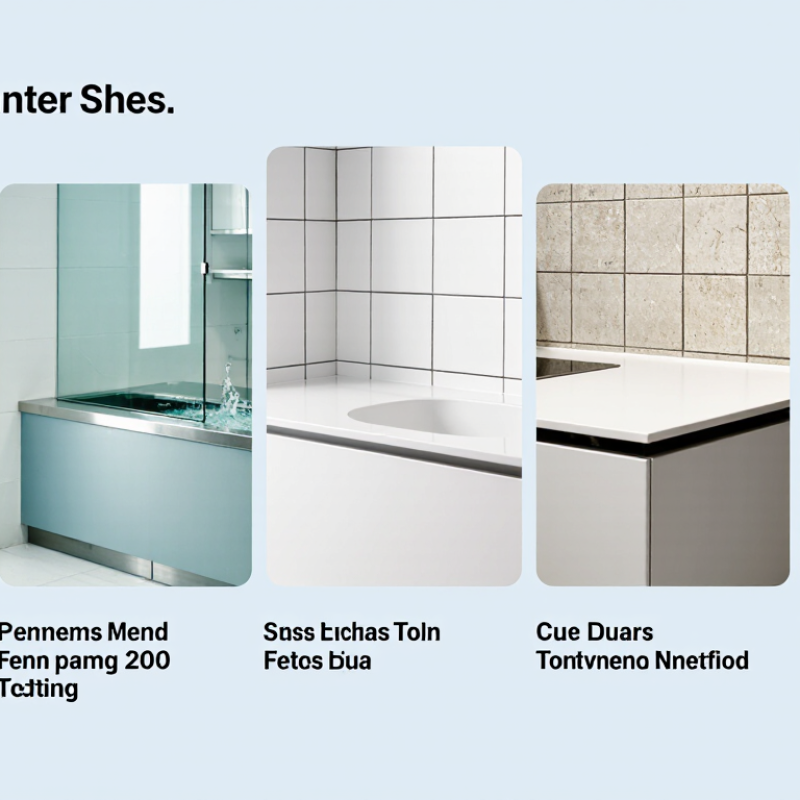
A suitable material is easy to clean, hard to damage, and compatible with the site’s cleaning routine. Smooth, non-porous surfaces leave fewer places for moisture and residue to collect. But “smooth” alone is not enough. Check joints, edges, and fixings, where dirt can hide. Stainless steel, sealed solid surfaces, and certain plastics may work well, depending on heat, chemicals, and wear. No material suits every room.
Tips: Test a sample with the actual cleaner and a soft cloth. Check for staining, dulling, swelling, or rough spots. Small details matter. Review the manufacturer’s care instructions before specifying a surface, and confirm that the cleaning team can follow them consistently.
Think about daily use, not just appearance. A surface near hot equipment faces different demands from a wall that gets occasional splashes. Ask how often it needs cleaning and whether abrasive pads are likely to be used. A glossy sample can look reassuring, yet seams or scratches may complicate maintenance. That is easy to overlook. The best choice balances cleanability, durability, installation quality, and realistic upkeep. Revisit the choice after a trial clean; real conditions can expose problems a showroom cannot.
Hygienic spaces commonly use stainless steel, epoxy resin, polyurethane cement, ceramic or porcelain tile, glass, PVC sheet, and solid-surface acrylic. Each suits different surfaces and cleaning demands. Stainless steel works well on counters, sinks, and equipment because it is nonporous and easy to wipe. Check welds and joints carefully; residue can collect in poorly finished seams.
Epoxy resin creates a smooth, joint-light floor or wall coating, while polyurethane cement can tolerate heat and heavy use in demanding work areas. Ceramic and porcelain tiles resist moisture, but grout lines need careful maintenance. Glass panels provide a smooth, washable wall surface and make leaks or splashes easier to spot. They can, however, crack if struck.
PVC sheet flooring offers a continuous surface when seams are properly welded. Solid-surface acrylic is useful for counters and integrated sinks, where fewer seams mean fewer places for soil to remain. Small details matter. A material alone does not guarantee hygiene: installation quality, surface damage, cleaning chemicals, and maintenance routines all affect performance. It is easy to overlook compatibility; confirm that the chosen finish suits the actual cleaning process and expected traffic.
| Material | Common hygienic-space uses | Hygiene strengths | Limitations to consider | Best suited for |
|---|---|---|---|---|
| Stainless steel (304 or 316) | Work surfaces, sinks, equipment housings, wall panels and food-processing equipment. | Smooth, non-absorbent when properly finished; durable and generally easy to wash and sanitize. | Scratches and poorly finished joints can collect soil. Chloride-containing cleaners may cause corrosion; grade selection and cleaning practice matter. | Frequently cleaned surfaces in food production, laboratories and healthcare settings. Grade 316 is often selected where greater chloride resistance is needed. |
| Glass | Viewing panels, splashbacks, partitions, shelves and some laboratory surfaces. | Non-porous, smooth and straightforward to inspect and clean when intact. | Can break or chip; edges, seals and frames need careful detailing. Not all glass types are suitable for every impact or heat exposure. | Areas needing visibility and cleanable barriers, provided the glass is appropriately specified and protected. |
| High-density polyethylene (HDPE) | Cutting boards, liners, containers and selected wall or equipment components. | Low water absorption and good resistance to many chemicals; food-contact grades are available for appropriate applications. | Can scratch, which may make thorough cleaning harder. Heat tolerance and chemical compatibility depend on the specific grade and conditions. | Replaceable boards, liners and components where impact resistance and easy washing are useful. |
| Polypropylene (PP) | Containers, trays, fittings, ducting and selected laboratory or food-service components. | Low moisture absorption and resistance to many acids and bases; suitable grades can be used for food-contact applications. | May deform under high heat or load, and can be damaged by some solvents or oxidizing chemicals. Verify compatibility for the intended cleaning regime. | Lightweight, washable components that do not face severe abrasion or unverified chemical exposure. |
| Epoxy resin flooring or coating | Floors, coving and coated surfaces in production rooms, kitchens and laboratories. | A correctly installed system can create a continuous, low-porosity surface with few joints and good cleanability. | Performance depends on formulation, substrate preparation, installation and cure. Damage, cracks or worn areas require repair; chemical resistance varies by product. | Seam-minimized floors and coving where the selected system matches traffic, temperature and cleaning chemicals. |
| Glazed ceramic tile | Walls and floors in wash areas, kitchens and other wet or splash-prone spaces. | The glazed face is generally smooth, hard and easy to clean when intact; tile can tolerate moisture well. | Grout joints can retain soil and may need suitable sealing and maintenance. Cracked or chipped tiles compromise cleanability; floor slip resistance must be considered. | Wet-area walls and floors where grout, joints, drainage and slip resistance are properly designed and maintained. |
| Silicone elastomer | Gaskets, seals and flexible joints around equipment, panels and service penetrations. | Flexible and useful for sealing gaps that could otherwise trap moisture or debris; suitable grades can tolerate a broad temperature range. | Not generally a structural surface. Torn, loose or poorly applied seals can harbor soil; compatibility and food-contact suitability are grade-specific. | Joints and equipment interfaces where a durable, cleanable seal is needed and can be inspected and replaced. |
Selection note: Hygienic performance depends on the finished design, installation, joint details, surface condition and compatibility with the actual cleaning and sanitizing procedure—not material name alone.
Stainless steel, glass, and ceramic offer very different hygiene profiles. Stainless steel is nonporous and easy to wipe, but seams, welds, and scratches can collect residue. Its corrosion resistance also depends on the grade and cleaning chemicals. Glass has a smooth, nonporous surface and resists many stains. It can chip or break under impact. Ceramic tile handles heat well, yet grout lines need careful attention. Clean surfaces matter.
Solid-surface panels and epoxy resin can reduce joints when installed correctly. Solid surface may allow minor scratches to be repaired, though heat can mark some formulations. Epoxy flooring creates a continuous finish, but poor installation or damage can lead to peeling and hard-to-clean edges. Not all coatings tolerate the same chemicals. Check the product’s care guidance.
HDPE and PVC are lightweight, nonporous options for wall panels, work surfaces, or equipment parts. HDPE resists moisture and many impacts, but its softer surface can scratch. PVC panels are easy to wipe, while seams and heat exposure deserve attention. A material alone cannot guarantee a hygienic space. Fit, surface condition, and cleaning routines matter just as much. I would not assume the toughest-looking option is always the easiest to maintain. Test the actual cleaner on a small area first.
Indicative ratings from 1 (lower) to 5 (higher), based on common material properties. They are comparative guidance, not standardized test results; installation, joints, maintenance, and chemical exposure can affect performance.
Material choice should follow the hazard, not a generic “hygienic” label. In food areas, CDC estimates about 48 million U.S. foodborne illnesses each year, while WHO estimated 600 million cases worldwide in 2010. These figures describe a broad risk, not the share caused by surfaces. Still, they make cleanability and contamination control hard to dismiss.
For wet, chloride-rich washdowns, compare 316 stainless steel with 304, and check the actual detergent concentration and temperature. For dry zones, a suitable polymer may be lighter and easier to replace, but scratches can trap soil. Ceramic tolerates heat and abrasion, yet impact can chip edges. There is no perfect surface. Seams matter, too: inspect welds, joints, and sealant after cleaning cycles, where residue can linger unnoticed. Confirm that the chosen material tolerates both the chemical and the operating temperature; a compatibility chart is only a starting point.
WHO’s 2015 global foodborne-disease estimates report 420,000 related deaths annually, reinforcing the value of reliable sanitation design. For pharmaceutical or healthcare settings, assess disinfectant exposure, abrasion, and required surface finish separately. A material that looks pristine may still perform poorly after repeated harsh cleaning. Pilot-test a sample under real shift conditions, then inspect for corrosion, cracking, discoloration, and soil retention. That check can be inconvenient. It is useful.
Choosing a hygienic material is only half the job. Verification starts before delivery. Ask for current technical data, cleaning guidance, and relevant test documentation. Check that the stated performance suits the actual exposure: moisture, heat, chemicals, and cleaning frequency. A material described as easy to clean may still fail if its surface scratches or its joints trap residue.
Inspect deliveries for cracks, dents, uneven edges, or damaged coatings. Keep samples and records for later reference. During installation, pay close attention to seams, corners, fasteners, and transitions between surfaces. These small details can become difficult-to-clean gaps. Follow the material maker’s installation instructions, and have qualified installers check that substrates are sound and surfaces are properly sealed. Details matter.
Maintenance should match the material, not just the room’s routine. Use approved cleaning products at the specified concentration and contact time, then rinse if instructed. Train staff to spot early wear, such as peeling, swelling, or discolored sealant. Record inspections and repairs. A checklist helps, but it can miss things. Walk the space and look closely. Even a well-chosen surface may need replacing sooner than expected if cleaning practices or site conditions change. That deserves a second look.
Common choices include stainless steel, epoxy resin, polyurethane cement, ceramic or porcelain tile, glass, PVC sheet, and solid-surface acrylic.
It is nonporous and easy to wipe. Inspect welds and joints, where residue can collect.
Epoxy can create a smooth, joint-light coating. Polyurethane cement can handle heat and heavy use in demanding areas.
Tile resists moisture, but grout needs care. Glass is washable and makes splashes easier to spot. It can crack on impact.
It can provide a continuous surface when seams are properly welded. Scratches may still trap soil.
Counters and integrated sinks benefit from fewer seams. Fewer seams help, but they do not solve every cleaning problem.
Check chemical concentration, temperature, and expected traffic. For wet, chloride-rich washdowns, compare suitable stainless-steel grades.
Test a sample during actual shifts. Look for corrosion, cracks, discoloration, and trapped soil. It takes effort. Worth doing.
Choosing surfaces for clean spaces requires more than a smooth appearance. This guide explains how to choose materials for hygienic environments by considering porosity, cleanability, chemical resistance, moisture exposure, impact, temperature, and expected service life. It reviews seven commonly used options—stainless steel, glass, ceramic tile, solid-surface materials, epoxy resin, PVC, and sealed concrete—and describes where each may be suitable.
The materials are compared in terms of hygiene, durability, upkeep, and performance under different operating conditions. Readers can match their choice to specific risks, such as frequent washing, spills, heavy traffic, or exposure to cleaning agents, while also considering seams and joints that may collect dirt. The guide concludes with practical advice on checking product specifications, ensuring proper installation, and maintaining surfaces through suitable cleaning and regular inspection.

Homecoxa Panels