Prefabricated building systems are revolutionizing the construction industry. These innovative techniques offer a range of advantages that are transforming how we think about building design and implementation. As demand for efficient and sustainable construction grows, it is essential to explore what are the benefits of prefabricated building systems.
Cost-effectiveness stands out as a primary benefit. Companies can save money through reduced labor and shorter project timelines. Speed is another key factor. With components manufactured off-site, projects can progress more quickly, minimizing delays. Additionally, the quality of prefabricated elements often surpasses traditional methods, as they are built in controlled environments.
However, there are challenges to consider. Not every project is suitable for prefabrication. Some designs may not translate well to modular formats. Also, transportation and logistics can complicate delivery to job sites. As we delve deeper into the benefits, it is crucial to weigh these pros and cons with precision.
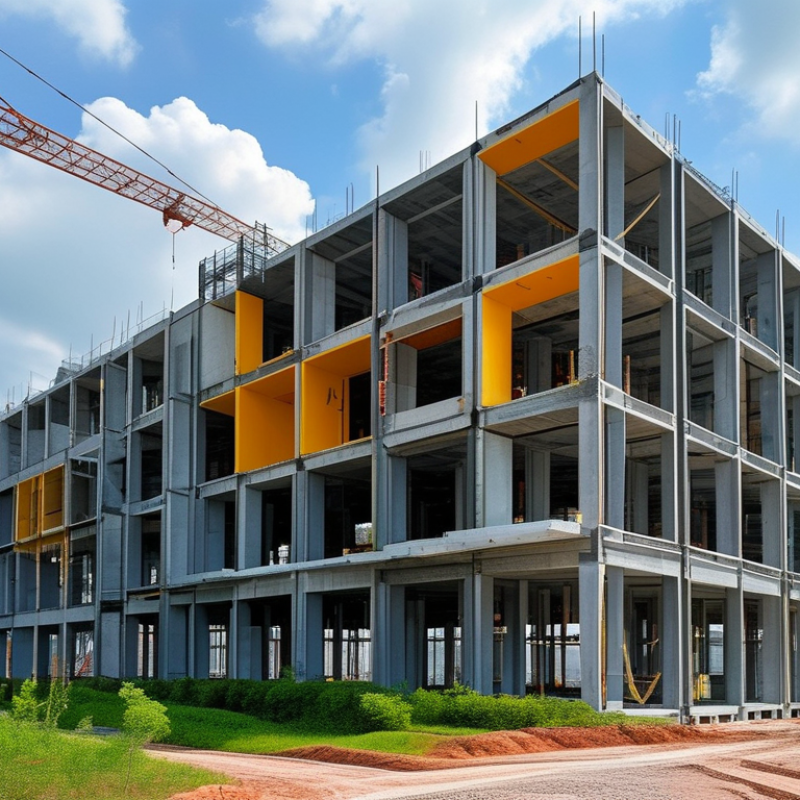
Advantages of Speedy Construction with Prefabricated Systems
Prefabricated building systems are revolutionizing the construction industry. These innovative solutions allow for faster project completion times, often reducing overall construction time by up to 50%. According to a 2022 report from the National Institute of Building Sciences, projects utilizing prefabrication can save significant time in both on-site assembly and design phases.
The speed of construction with prefabricated systems is particularly evident in mega projects. For example, modular units can be built off-site while foundation work occurs simultaneously. This overlap streamlines the entire building process. A study from the Modular Building Institute highlighted that this approach can also lead to fewer delays caused by weather, as modules are constructed in controlled environments.
Moreover, prefabricated systems often result in more efficient use of materials, which can contribute to sustainability efforts. With about 90% of construction waste attributed to traditional building methods, prefabrication can minimize waste significantly. However, it raises questions about customization and design flexibility. While standard modules provide expediency, they may not always meet specific client needs. Addressing these challenges is essential for maximizing the benefits of prefabricated construction.
Cost-Effectiveness of Prefabricated Building Methods
Cost-effectiveness is a key benefit of prefabricated building methods. These systems streamline construction. Labor costs decrease significantly. Less on-site labor means lower overall expenses. Projects can often be completed faster too, reducing indirect costs like site management.
Prefabricated components are manufactured in controlled environments. This leads to higher quality materials and fewer defects. When discrepancies do arise, it’s easier to address them before assembly. Precision in manufacturing also reduces waste. Less material waste can directly impact project budgets nicely.
While the initial investment might seem high, savings become clear over time. Efficient processes can lead to lower maintenance costs. However, some might worry about design limitations. Customization is possible but does require careful planning. A balance between creativity and efficiency is essential for success.
Enhancing Sustainability and Reducing Waste in Construction
Prefabricated building systems offer a promising solution for enhancing sustainability in construction. By utilizing factory-based manufacturing, these systems significantly reduce waste. Traditional construction often results in excess materials discarded on site. Prefabrication minimizes this by creating components in controlled environments. This approach leads to precision in measurements, which ultimately cuts down errors and minimizes scrap.
Moreover, the streamlined processes used in prefabrication enhance energy efficiency. Energy is saved not only through reduced material waste but also during construction. With quicker assembly times, construction sites consume less energy. However, practitioners need to consider the transportation aspects. While prefabricated components are more efficient, transporting them can sometimes offset energy savings. It’s crucial to evaluate local sourcing to mitigate this issue.
Sustainability also extends to the longevity of materials used in prefabricated systems. The durability often leads to less frequent repairs and replacements. While these systems promote a responsible approach, there's room for improvement. Companies must continue to innovate and adopt greener materials. Striking a balance between efficiency and ecological responsibility remains a challenge in the industry.
7 Benefits of Prefabricated Building Systems You Should Know
| Benefit |
Description |
Impact on Sustainability |
| Reduced Construction Waste |
Prefabrication minimizes on-site waste by producing components in a controlled environment. |
Leads to less landfill waste and lower environmental impact. |
| Faster Construction Time |
Components are built off-site and assembled quickly on-site, significantly reducing project timelines. |
Faster project completion means reduced energy consumption on-site. |
| Enhanced Quality Control |
Off-site construction allows for more rigorous quality checks and fewer defects. |
Higher quality materials contribute to longer lifespan and lower resource usage over time. |
| Energy Efficiency |
Prefabricated buildings can be designed for optimal energy performance from the start. |
Lower energy consumption leads to reduced carbon footprint. |
| Flexibility and Adaptability |
Systems can be reconfigured or expanded easily to meet changing needs. |
Promotes sustainable development by avoiding demolition and rebuilding. |
| Lower Labor Costs |
With less on-site work and simplified assembly processes, overall labor needs are reduced. |
Efficient use of labor resources leads to less overall energy use. |
| Improved Safety |
Controlled factory environment reduces hazards associated with construction sites. |
Safer construction contributes to a healthier workforce and reduces accident-related waste. |
Improved Quality Control Through Prefabrication Techniques
Improved quality control is a significant advantage of prefabricated building systems. In traditional construction projects, variability in on-site conditions often leads to inconsistencies. Prefabrication, however, takes the process indoors. Components are manufactured in a controlled environment, ensuring that each piece meets strict quality standards. Every stage of production can be monitored, resulting in reduced errors and superior craftsmanship.
The precision offered by prefabrication techniques can drastically improve the overall building quality. With advanced machinery, builders can create components designed to fit perfectly every time. This minimizes the need for adjustments during assembly. However, not all prefabricated structures guarantee the same level of quality. Factors like material selection and manufacturing practices must be evaluated. Some builders may prioritize speed over quality, impacting the final outcome.
Emphasizing quality control does not eliminate the challenges of prefabrication. Issues can still arise during transportation and assembly. Components might get damaged, or fit may not be as expected. It's crucial to have skilled teams that understand the intricacies of prefabricated systems. Continuous improvement and feedback loops are essential. Ultimately, while prefabrication enhances quality control, it requires diligence and a commitment to excellence from all parties involved.
Flexibility and Customization in Prefabricated Designs
Flexibility and customization are hallmark features of prefabricated building systems. These systems enable architects and builders to create tailored environments that suit specific needs. According to a study from McKinsey, the construction industry can increase productivity by up to 50% through modular building techniques. This reveals the significant potential for customized designs in reducing timeline and cost while enhancing overall project adaptability.
In prefabricated designs, modules can be easily modified. This adaptability allows for various architectural styles, materials, and finishes. For example, a report from IBISWorld states that the market for prefabricated buildings is expected to grow at a compound annual growth rate of 6.2%. Such flexibility meets diverse client preferences. However, challenges like managing changes during production can arise. Adjustments to specifications may lead to delays, underscoring the need for thorough planning.
Furthermore, customization extends beyond aesthetics. Sustainable options, such as energy-efficient materials, can be integrated seamlessly into designs. A survey by the National Institute of Building Sciences shows that 80% of architects favor sustainable elements in prefabricated projects. While the benefits are clear, ongoing discussions about balancing cost with ecological impact are essential for the industry's future.
FAQS
: Cost-effectiveness is a key benefit. These methods streamline construction and reduce labor costs significantly.
They minimize waste by creating components in controlled environments. This reduces excess materials discarded on-site.
Yes, they are often made from high-quality materials. Durability leads to less frequent repairs and replacements.
Yes, flexibility and customization are key features. Architects can modify modules for specific needs and styles.
Managing changes during production can cause delays. Thorough planning is necessary to avoid complications.
While prefabrication is energy-efficient, transportation can offset some savings. Local sourcing can help mitigate this issue.
The initial cost might seem high. However, savings can be realized over time through lower maintenance costs.
Precision in measurements cuts down errors, leading to less scrap material. This directly impacts project budgets positively.
A balance is essential for success. Too much focus on one can lead to complications, affecting project timelines.
There's always room for improvement. Innovating and adopting greener materials can enhance ecological responsibility.
Conclusion
Prefabricated building systems offer a range of advantages that are reshaping modern construction practices. So, what are the benefits of prefabricated building systems? First, they significantly accelerate construction timelines, allowing projects to be completed faster than traditional methods. Additionally, these systems are cost-effective, as they reduce labor and material expenses while minimizing delays. The emphasis on sustainability is another key benefit; prefabrication often results in less waste and a smaller environmental footprint.
Moreover, quality control is enhanced through meticulous manufacturing in controlled environments, leading to consistently high standards. Lastly, prefabricated designs provide flexibility and customization options that cater to various architectural needs, making it easier to adapt to specific project demands. Overall, the adoption of prefabricated building systems represents a forward-thinking approach in the construction industry, delivering efficiency, sustainability, and quality.

 Homecoxa Panels