Prefabricated building systems are transforming the construction landscape globally. They offer innovative solutions that cater to modern needs. Many global buyers are asking, "What are the benefits of prefabricated building systems?"
This question resonates, especially in the face of rising construction costs and time constraints. Prefabricated systems allow for faster assembly on-site, significantly reducing project timelines. Moreover, they often improve quality control due to factory conditions. Buyers appreciate these efficiencies, as they lead to reduced labor costs and lower risks of delays.
However, not all prefabricated systems are created equal. Some may face challenges in customization. It’s essential for buyers to assess the options available. Gathering insights from industry experts can provide clarity. As this market continues to evolve, understanding its nuances will be vital for global buyers looking to invest wisely.
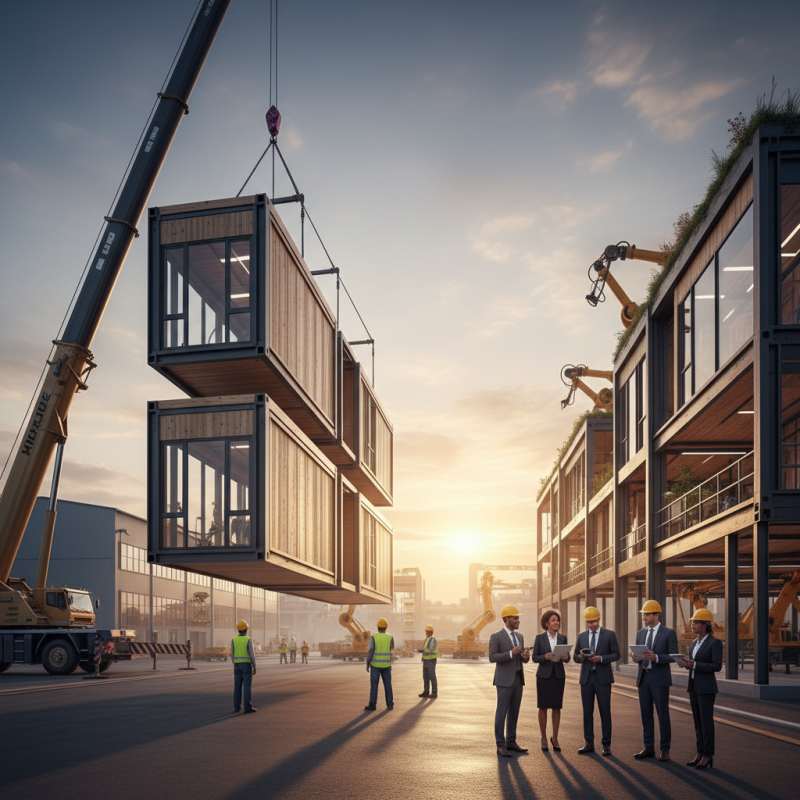
Prefabricated building systems offer various advantages for global buyers. These systems significantly reduce construction time. Instead of months, projects can be completed in weeks. This efficiency leads to lower labor costs and quicker occupancy. Additionally, factories produce components in controlled environments, ensuring quality and consistency.
Many global buyers appreciate the sustainability of prefabricated systems. Reduced waste during construction is a significant benefit. However, some still question the long-term durability of these materials. While prefabricated buildings can withstand various climates, local regulations may pose challenges in some regions. Buyers need to research compliance thoroughly.
Investing in prefabricated systems opens opportunities for innovation in design. Buyers can customize layouts to fit unique needs. The flexibility is appealing, but it may lead to over-optimizing layouts without considering practical aspects. Balancing creativity with functionality is essential to maximize benefits.
Prefabricated building systems present a unique approach to construction. They offer remarkable cost efficiency, attracting global buyers aiming to reduce expenses. These systems involve constructing building components in a factory. This process leads to lower labor costs and reduced material waste. Manufacturing in a controlled environment minimizes errors often found on-site.
Time savings are another significant advantage. Conventional construction can take months, if not years. In contrast, prefabricated systems can be assembled quickly. This speed helps in meeting tight deadlines. Rapid construction times can also lead to quicker returns on investment. However, it is essential to consider potential delays in transportation and assembly.
Investing in prefabricated systems may look simple, but challenges exist. Assembling prefabricated components on-site requires skilled labor. A lack of expertise can lead to costly mistakes. Also, buyers must take local building codes into account. This complexity can make the initial steps daunting. Nonetheless, the benefits often outweigh these hurdles for informed buyers.
Prefabricated building systems are revolutionizing the construction industry, especially in terms of quality control. Precise manufacturing processes significantly enhance the reliability of materials. Reports indicate that prefabricated components can reduce construction defects by up to 60%. This statistic highlights the importance of controlled environments during production. When elements are fabricated off-site, factors like weather and site management become less problematic.
Moreover, enhanced quality control procedures in prefabrication allow for consistent product assessment. Automation plays a key role in this. Advanced technology ensures that each unit meets stringent specifications. A study conducted by an industry association noted that automated quality checks reduced human errors by approximately 30%. Despite these benefits, some manufacturers still struggle with the adaptation process. This can lead to initial inefficiencies in transitioning from traditional methods to prefabricated systems.
Additionally, the benefits of prefabrication extend beyond quality. Lower waste generation is another advantage. Data shows that prefabricated construction can reduce material waste by around 10-15%. However, this requires careful planning and execution. Buyers must remain vigilant about maintaining strict protocols. While the advantages are clear, ongoing evaluation is essential for long-term success in these systems.
Prefabricated building systems are gaining traction worldwide, particularly for their sustainability benefits. These materials can significantly reduce waste during construction. By using pre-cut materials, builders minimize excess. This helps keep landfills less congested, contributing to environmental health.
Energy efficiency is another key advantage. Prefabricated homes often come with better insulation and airtight construction. This leads to lower energy consumption for heating and cooling. Homeowners can expect reduced utility bills while enjoying a comfortable living environment. The longevity of these materials is also worth noting; they can withstand harsh weather, promoting sustainability through durability.
However, the construction process is not without challenges. While prefabricated systems offer many benefits, they can lack customization options. Some buyers may find that the pre-designed models do not fully meet their needs. This reflects a need for careful consideration when choosing prefabricated solutions. Keeping sustainability in mind, buyers should weigh both options and limitations. Balancing practicality and eco-friendliness can lead to a more informed decision.
Prefabricated building systems offer striking advantages for global buyers. One key benefit is customization and flexibility in design. According to a report by McKinsey & Company, the prefabrication industry can reduce construction time by up to 50%. This efficiency allows builders to adapt structures to specific needs more rapidly.
Customization is not just a trend; it is a necessity. A study by Research and Markets indicates that 60% of buyers prefer tailored solutions. Prefabricated designs can meet unique specifications, ranging from material choices to layouts. This adaptability makes them suitable for various sectors, including residential, commercial, and industrial applications.
However, challenges remain in achieving perfect customization. Some buyers report difficulties in balancing cost and design preferences. Adjustments to standard designs can lead to increased expenses. Despite this, the potential for reduced time and enhanced functionality continues to drive interest in prefabricated buildings. The ability to balance flexibility with budget constraints requires careful planning and consideration.
This chart represents the key benefits of prefabricated building systems as perceived by global buyers, highlighting aspects such as customization, flexibility, speed of construction, cost efficiency, and sustainability.
The global market for prefabricated building systems is experiencing rapid growth. These systems offer significant advantages, such as reduced construction time and increased efficiency. More buyers are recognizing the potential of these innovations in various regions. This shift is evident in both urban and rural developments.
Countries are adopting prefabricated systems to meet rising housing demands. Rapid urbanization has led to a surge in construction projects worldwide. Efficiency is crucial, and prefabricated buildings often rise faster than traditional structures. Quality control measures in factories ensure consistency and durability. However, some challenges remain. Buyers must navigate regulations that vary by region. Understanding local requirements can demand additional research and resources.
The adoption of prefabricated solutions is not without obstacles. While many embrace modern techniques, others are hesitant. Traditional construction methods are deeply rooted in some cultures. Change requires time, investment, and education. As more projects showcase the benefits, skepticism may decrease. Buyers should critically assess their needs and expectations. Adjusting to new practices might take effort, but the payoff can be substantial.
: Prefabricated systems enhance quality control, reducing construction defects by up to 60%.
Precise manufacturing processes create reliability in materials and reduce issues caused by weather.
Automation reduces human errors by about 30%, ensuring consistent product assessment.
Yes, some manufacturers may struggle with the transition, leading to temporary inefficiencies.
Prefabricated construction can lower material waste by 10-15%, but requires careful planning.
Yes, prefabrication offers customization and flexibility to meet unique buyer specifications.
Buyers often face challenges balancing design preferences and cost, which can increase expenses.
Prefabrication can cut construction time by up to 50%, making adaptations quicker and easier.
Continuous assessment ensures long-term success and helps maintain high-quality standards.
Prefabricated designs serve residential, commercial, and industrial sectors, offering versatility.
Prefabricated building systems offer numerous advantages for global buyers, making them an increasingly popular choice in construction. A key benefit is cost efficiency and time savings, as these systems are manufactured off-site and assembled quickly on location. This streamlined approach reduces labor costs and project timelines. Moreover, enhanced quality control during the manufacturing process ensures that structures meet consistent standards, resulting in higher quality outputs.
Sustainability is another significant advantage, as prefabricated materials often lead to reduced waste and energy consumption. Additionally, buyers can enjoy greater customization and flexibility in design, accommodating unique needs and preferences. As global market trends indicate a growing adoption of prefabrication, it is essential to understand what are the benefits of prefabricated building systems to make informed decisions in construction planning.

Homecoxa Panels