Modular construction is gaining traction for its numerous benefits to buyers. Industry expert, Dr. Emily Sutherland, once stated, “Modular construction offers efficiency that traditional building cannot match.” Her insights highlight a significant trend in the construction industry. Buyers are increasingly interested in what are the advantages of modular construction, noticing the speed and cost-effectiveness it brings.
This construction method reduces waste and shortens project timelines. Factories can produce modules simultaneously, while on-site construction begins. This parallel process leads to projects being completed in less time. As a result, buyers experience quicker returns on investment. Importantly, modular homes often incorporate energy-efficient designs. This aspect appeals to environmentally conscious buyers.
While there are advantages, not all projects suit modular techniques. Site limitations and complex designs may pose challenges. Buyers should assess their specific needs. Although modular construction boasts many strengths, it is not a one-size-fits-all solution. Reflecting on these elements will help buyers make informed decisions.
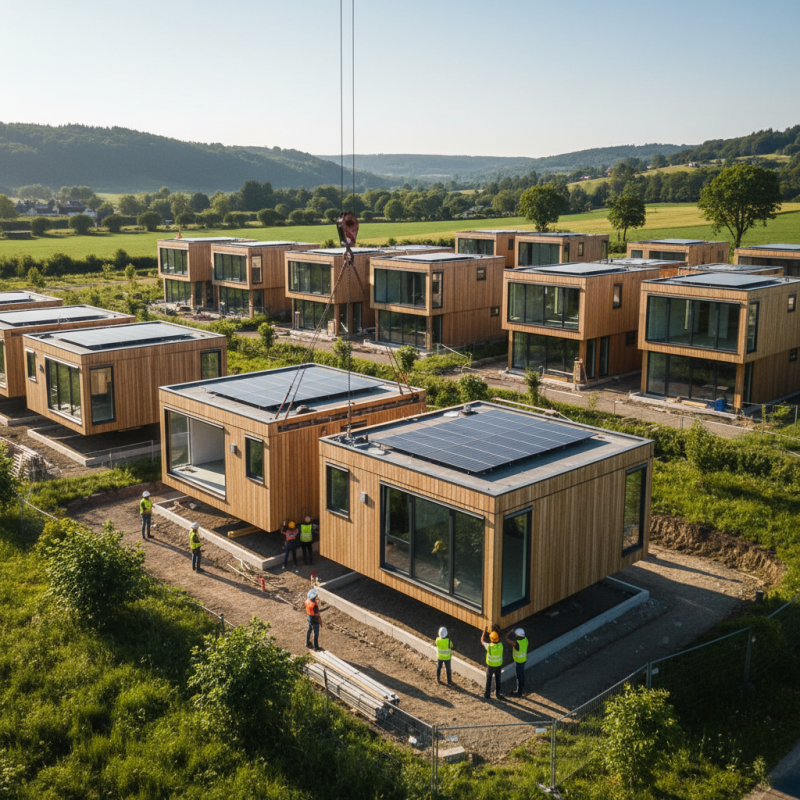
Benefits of Modular Construction: An Overview for Buyers
Modular construction offers notable advantages for buyers. One significant benefit is speed. These homes are built in sections, or modules, in a factory setting. This allows for simultaneous site preparation and construction. As a result, buyers can move into their new home much sooner than with traditional building methods. This can be particularly appealing for those with urgent housing needs.
Another advantage is cost-effectiveness. Modular construction often results in less waste and more efficient use of materials. Since the modules are built under controlled conditions, there’s a reduced chance of delays caused by weather or unexpected site issues. However, buyers should understand that the final cost may still vary based on customization options. As much as modular homes can be affordable, the price can climb with additional features.
Quality control is another key factor in modular construction. The homes are built to meet strict building codes and standards. They undergo inspections during the manufacturing process. This can lead to higher quality finishes and craftsmanship. Yet, some buyers may feel uncertain about the longevity of modular structures compared to traditional homes. It's important for them to seek reliable information and consult with professionals before making a decision.
Cost Efficiency: Analyzing Savings in Time and Materials
Modular construction is revolutionizing the way buyers approach building projects. One of the most significant benefits lies in cost efficiency. According to a report by McKinsey, modular construction can reduce project costs by 20% to 30%. This reduction largely stems from savings in materials and labor, as factory settings allow for standardization and less waste. For instance, streamlined processes in controlled environments can lead to an 80% decrease in construction time.
Moreover, the upfront investments in modular buildings often yield long-term savings. A study from the National Institute of Standards and Technology (NIST) shows that projects using modular methods can achieve a 50% reduction in overall project duration. Shorter timelines translate to fewer labor costs and the ability to market or use properties in a timely manner. However, it’s important to align these benefits with specific project needs and local regulations, which can vary significantly.
While the potential for cost savings is clear, buyers must also confront challenges. Not every modular solution fits all types of projects. Customization can sometimes lead to increased costs, potentially offsetting initial savings. Therefore, buyers should conduct thorough research and consider their specific requirements before committing to modular construction. Understanding these nuances can ultimately lead to informed and effective decision-making.
What Are the Benefits of Modular Construction for Buyers? - Cost Efficiency: Analyzing Savings in Time and Materials
| Benefit Dimension |
Description |
Estimated Savings (%) |
Time Savings (weeks) |
| Reduced Labor Costs |
Less on-site labor needed due to off-site construction |
20% |
4 weeks |
| Material Cost Savings |
Bulk purchasing and reduced waste |
15% |
- |
| Shorter Project Timeline |
Parallel construction processes reduce total time |
10% |
6 weeks |
| Improved Quality Control |
Controlled environment for assembly leads to better standards |
5% |
- |
| Flexibility and Scalability |
Easier to modify designs and add modules |
Variable |
Variable |
Quality Control: Advantages of Factory Production Standards
Modular construction offers unique benefits, particularly in
quality control through factory production standards.
A report from the Modular Building Institute indicated that
off-site construction can reduce defects by 75%. This significant decrease
in errors is largely due to the controlled environment in factories, which mitigates variables such as weather
and site conditions.
In a factory setting, every component is built to precise specifications. For instance, standardized procedures
allow for rigorous inspections and testing throughout the production process.
This level of quality control often leads to higher overall durability and lower maintenance costs over time.
Interestingly, one study found that modular homes can achieve up to a 40% decrease
in energy consumption compared to traditional builds.
However, not all modular projects guarantee high quality. Some builders may cut corners to reduce expenses.
This can lead to variability in the final product and affect long-term sustainability. Buyers should therefore
scrutinize suppliers closely and seek companies with a track record of quality.
A focus on materials and techniques used in the factory can help ensure that the final product meets high standards.
Sustainability: Environmental Benefits of Modular Building Practices
Modular construction has gained attention for its sustainability benefits. This building method minimizes waste through precise manufacturing. Statistics show that modular projects can reduce material waste by up to 90%. Factories produce components, which leads to fewer site disruptions and lower emissions.
Environmental advantages extend beyond waste reduction. A report from the Modular Building Institute indicates that modular buildings often use 20% less energy during construction. This efficiency contributes to lower carbon footprints. Moreover, many modular buildings are designed with energy-efficient materials, enhancing their overall sustainability.
Despite these benefits, modular construction faces challenges. Some criticize the perception of lower quality compared to traditional methods. Building codes can vary widely, impacting the adoption of modular practices. Addressing these complexities is essential for broader acceptance. Efforts to improve educational outreach and standards can bridge this gap.
Customization: Flexibility in Design and Functionality for Buyers
Modular construction offers exciting customization options for buyers. The flexibility in design allows you to tailor every aspect of your new home. You can select materials, layouts, and features that fit your lifestyle. Imagine choosing a spacious kitchen layout or energy-efficient windows. That choice can significantly enhance your comfort and satisfaction.
Tips: Consider your long-term needs. Will your family grow? Plan for future changes in your design.
Modular homes often incorporate advanced technology. Features like smart home systems can be integrated during construction. These options can help in creating a truly unique living space. However, it’s essential to research available technologies. Not all upgrades may be necessary for your situation.
Tips: Always assess the importance of custom features. Sometimes, less is more in terms of functionality.
A challenge in modular construction is balancing customization with budget constraints. While personalizing your space is appealing, it can lead to unexpected costs. Be mindful of how upgrades impact your overall budget. Finding the right balance is crucial for a successful project.
FAQS
: Speed is a major benefit. Homes are built in sections, allowing faster completion.
It is often cost-effective due to reduced waste and efficient material use. Customization can increase the final price.
Quality control is enhanced through factory production standards. This reduces defects significantly during construction.
Controlled environments lead to higher durability. Components are built to precise specifications.
Yes, modular homes can have up to a 40% decrease in energy consumption compared to traditional builds.
Some builders may cut corners, affecting quality. Buyers should research suppliers thoroughly before making a decision.
Some may question the longevity of modular homes. Seeking reliable information is crucial.
Modular construction mitigates weather-related delays. Traditional builds often face interruptions due to unpredictable conditions.
Buyers need to focus on the materials and techniques used. A good track record indicates higher quality.
Yes, customization options are available. However, they can increase overall costs significantly.
Conclusion
Modular construction offers numerous benefits for buyers, making it an increasingly popular choice in the building industry. One of the key advantages of modular construction is cost efficiency; it not only reduces overall expenses but also saves time during the building process. Additionally, quality control is enhanced through factory production standards, ensuring that each modular unit meets strict guidelines before it is assembled on-site.
Furthermore, sustainability is a significant aspect of modular building practices, as they often lead to reduced waste and lower environmental impact. Buyers also enjoy increased customization options, allowing them to tailor designs and functionalities to meet their specific needs. In summary, the question "what are the advantages of modular construction" can be answered by highlighting these factors: cost savings, quality assurance, sustainability, and design flexibility, all of which contribute to a superior building experience.

 Homecoxa Panels